 Error Codes




What is the most common problem with GE dishwashers?
On the GE GDF460PGT3WW dishwasher, the most common customer-reported issue is the dishwasher not starting or not running a cycle. In many cases, the root cause is simple (door not fully latched or power interruption), but it can also point to a failed door latch or an electronic control problem.
Quick checks we recommend first
- Confirm the dishwasher door closes firmly and latches without needing to lift or push hard.
- Check the house breaker and reset it if it tripped.
- Make sure the cycle is actually started (some cycles have a short delay before you hear water).
- Cancel and restart the cycle to clear a stuck selection.
- If the unit has power but will not run, look for any flashing lights or beeps that indicate a fault.
Parts that commonly cause “won’t start” symptoms
If basic checks do not help, these parts are frequent suspects on this model family:
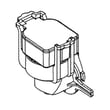
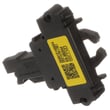
- Dishwasher door latch lock WD01X29878: if the latch switch does not prove the door is closed, the control will not start.
- Configured machine control board WD21X32938: can fail and prevent the unit from responding correctly.
- Dishwasher control board fuse WD21X25696: a blown fuse can stop the dishwasher from running even if the display lights.
- Wiring/connection issues (especially at the door and control area).
How to narrow it down (symptom-to-part guide)
| What you notice | Most likely area to check | Common related part |
|---|---|---|
| No response at all | Power supply, control protection | Dishwasher control board fuse WD21X25696 |
| Lights work, won’t start | Door switch/latch circuit | Dishwasher door latch lock WD01X29878 |
| Starts then stops or acts erratic | Electronic control | Configured machine control board WD21X32938 |
Why it matters
A dishwasher that will not start is often protecting you from unsafe operation (for example, running with an unlatched door) or signaling an electrical/control issue. Checking the latch and control-related components early can prevent repeated cycle failures and reduce the chance of water left standing in the tub.
For fault indicators, we use GE dishwasher error codes to interpret what the dishwasher is reporting before replacing parts.
Last updated: January 2026
What is the average lifespan of a GE dishwasher?
A GE dishwasher like model GDF460PGT3WW typically lasts about 10 years with normal household use. Consistent cleaning, correct detergent use, and fixing small issues early (like poor draining or leaking) are the biggest factors in reaching that lifespan.
What affects dishwasher lifespan most
- Hard water and heavy daily use can shorten life by wearing pumps, seals, and spray components faster.
- Skipping filter cleaning can strain the wash system and reduce cleaning performance.
- Leaks that go unchecked can damage wiring, the control board, and the motor area.
- Overloading racks can stress rollers, rails, and the door latch.
- Heat and drying problems can point to a failing heater circuit or airflow issue.
Maintenance that helps you get the full 10 years
- Clean the filters and sump area regularly; inspect the dishwasher fine filter assembly WD12X25995.
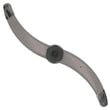
- Keep spray arm holes clear; check the GE dishwasher spray arm, lower WD22X33499 for clogs or cracks.
- Run a dishwasher cleaner cycle periodically and wipe the door seal area.
- Use rinse aid if you have spotting or slow drying.
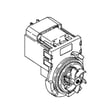
- Address drain issues early; a weak or noisy pump can indicate the dishwasher drain pump WD19X25461 needs attention.
When repair is usually worth it vs replacement
| Situation | Typical next step | Why it matters |
|---|---|---|
| Unit is under ~7 years old and otherwise solid | Repair common wear parts | Lower cost than replacement; restores performance |
| Repeated leaks, electrical issues, or multiple major parts failing | Consider replacement | Stacked repairs can exceed the value of the dishwasher |
| Cleaning is poor but no leaks | Service wash system (filters, spray arms, inlet) | Often fixes performance without major cost |
Why it matters
Knowing the expected lifespan helps you decide whether to maintain, repair, or replace. For GDF460PGT3WW, staying ahead of clogs and leaks protects high-cost components like the control board and wash pump.
For troubleshooting that can prevent early failure, we recommend checking GE dishwasher error codes.
Last updated: January 2026
Is it worth fixing a GE dishwasher?
Yes, it’s usually worth fixing a GE dishwasher like model GDF460PGT3WW when the problem is a common, replaceable part and the repair cost is well under half the price of a comparable new dishwasher. Dishwashers typically last 10 to 15 years, so age and repair scope matter most.
Quick way we decide: repair vs replace
- Repair when it’s a single-part failure (drain, fill, latch, spray issue) and the tub is in good shape.
- Replace when there are repeated breakdowns, heavy rust/leaks from the tub area, or multiple major parts are failing.
- Lean toward repair if the dishwasher is under about 8 years old and has been reliable.
Common “worth it” repairs on GDF460PGT3WW
These are typical fixes that often restore normal washing, draining, or starting:
- Drain problems: inspect/replace the dishwasher drain pump WD19X25461
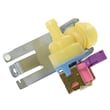
- Won’t fill or fills slowly: inspect/replace the water valve assembly WD15X27703
- Door won’t latch or won’t start: inspect/replace the dishwasher door latch lock WD01X29878
- Poor cleaning from low spray: check the GE dishwasher spray arm, lower WD22X33499 for clogs or damage
- Heating or drying issues: test/replace the heating element WD05X35098
Cost-to-value checklist
| What you’re seeing | Typical direction | Why |
|---|---|---|
| One clear symptom, one likely part | Repair | Lower cost, fast turnaround |
| Multiple symptoms across cycles | Evaluate | Could involve control, wiring, or several parts |
| Leaks that persist after gasket checks | Evaluate/replace | Water damage risk and larger repair scope |
Why it matters
A targeted repair can extend the life of your GE GDF460PGT3WW and avoid the cost and hassle of replacement. But if the repair approaches 50% or more of a new unit’s cost, replacement often makes better long-term sense.
Helpful troubleshooting next step
If you’re seeing a code or blinking pattern, use GE dishwasher error codes to narrow the failure to a specific system (drain, fill, heating, or control).
Last updated: January 2026
How do I know if my GE dishwasher heating element is bad?
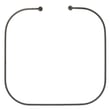
On a GE GDF460PGT3WW dishwasher, a bad heating element usually shows up as poor drying, cool water late in the cycle, or a breaker trip. The most reliable check is a continuity (ohms) test on the heating element WD05X35098 with power disconnected.
Quick symptoms that point to a heater problem
- Dishes stay wet and cool even with heated dry selected
- The tub never feels warm near the end of a wash cycle
- Plastic items are especially wet while other functions seem normal
- A burning smell or visible damage on the heater (rare but important)
- The dishwasher stops and shows an error (if your model displays codes, use GE dishwasher error codes)
How we test the heating element (basic continuity check)
- Shut off power at the breaker (do not rely on the control panel).
- Access the heater terminals (typically from below the tub).
- Pull the wires off the heater terminals (note their positions).
- Set a multimeter to ohms (Ω) and measure across the two heater terminals.
What the meter reading means
| Meter result | What it usually indicates | Next step |
|---|---|---|
| OL / infinite / no change | Open element (failed) | Replace the heater |
| Very low (near 0 Ω) | Shorted element (failed) | Replace the heater |
| A steady resistance reading | Element may be OK | Check wiring, controls, and safety devices |
If the element tests good but you still have no heat
On the GDF460PGT3WW, heating can also be affected by power supply issues, wiring/connectors, or control-related problems.
- Inspect heater wiring for loose, burned, or corroded terminals
- Check for a blown control fuse such as the dishwasher control board fuse WD21X25696
- If the unit is not commanding heat, the configured machine control board WD21X32938 can be involved
Why it matters
The heating circuit is used for drying and for boosting water temperature. If it is not working, you can get poor cleaning, cloudy glassware, and consistently wet dishes even when the dishwasher otherwise runs normally.
Last updated: January 2026





