Installation guide
 Error Codes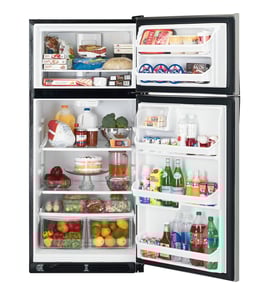



Can you still get parts for Kenmore refrigerators?
Yes. You can still get replacement parts for Kenmore refrigerators, including for Kenmore model 89961332321. We list model-matched parts so you can replace common items like controls, door hardware, and cooling components with parts designed to fit.
We recommend matching by model number first, then confirming the part name and ID.
- Use the model number 89961332321 to avoid fit issues
- Compare the part name to what you are replacing (control, fan, hinge, shelf, etc.)
- Check whether the part is for the freezer section or fresh food section
- If you are unsure, use the diagrams and notes in the installation guide
- Order directly from the parts list for this model, or search by model on Sears PartsDirect
These are examples of parts we show for Kenmore 89961332321; choose the one that matches your symptom and location in the refrigerator.
| What you need | Example part on this model | What it affects |
|---|---|---|
| Temperature/control interface | Control pnl 8200006345 | Temperature settings and user controls |
| Cooling airflow | Fan 3000002287 | Air circulation for consistent cooling |
| Door alignment/closing | Mid hinge 3406001126 | Door swing, alignment, and sealing |
| Electrical supply/control | Power panel 3005001717 | Power distribution and operation |
Using the correct Kenmore 89961332321 parts helps the doors close properly and keeps airflow and temperature stable. Poor door closing and frequent door openings can lead to warm temperatures and moisture issues, so replacing worn hinges, controls, or fan-related parts can restore normal performance.
Last updated: February 2026
What are the most common problems with Kenmore refrigerators?
The most common issues we see with Kenmore refrigerators like model 89961332321 are cooling problems, doors not sealing or closing, unusual noises or vibration, moisture or odor inside the cabinet, and ice maker shutoff or poor ice production. Many of these start with airflow, leveling, or temperature control settings.
- Not cooling well: door left ajar, warm temperature setting, overloaded shelves blocking vents, or not enough time to cool after loading groceries.
- Door will not close completely: food packages in the way, dirty gaskets, or the refrigerator is not level.
- Unusual noises or vibration: cabinet touching a wall, unit not level, normal refrigerant flow sounds, or fan-related noise.
- Moisture inside: frequent door openings, door not sealing, or high humidity.
- Odors: spills, old food, or loosely wrapped items.
- Ice maker issues: ice maker turned off (ice probe lifted) or temperature too warm.
- Confirm the power cord is fully plugged in and the breaker is not tripped.
- Make sure both doors close fully and the gaskets are clean.
- Level the refrigerator using the front leveling feet (this prevents cooling and moisture problems).
- Set the temperature control colder if food is not staying cold.
- After adding a lot of food, allow about 4 hours for the refrigerator to cool back down.
If basic checks do not help, these model-related parts are often involved in cooling or noise complaints:
| Symptom | Common part area | Example part on this model |
|---|---|---|
| Warm fridge/freezer, poor airflow | Evaporator/fan system | Fan 3000002287 |
| Noisy operation from airflow area | Fan blade or fan mount | Fan blades 8200006277 |
| Temperature control problems | Control interface | Control pnl 8200006345 |
Small issues like a refrigerator that is slightly out of level or a door that does not seal can cause bigger problems over time, including frost, moisture, and longer compressor run times. Getting the basics right protects food temperatures and reduces wear on the cooling system.
For model-specific setup and troubleshooting steps (including leveling and door swing guidance), use the installation guide. You can also search and order replacement parts by model number on Sears PartsDirect.
Last updated: February 2026
What's the average lifespan of a Kenmore refrigerator?
Most Kenmore refrigerators last 12 to 15 years with normal use. For your Kenmore 89961332321 top-mount refrigerator, steady temperatures, clean airflow, and basic care (like keeping coils and door seals in good shape) help you reach that typical lifespan.
Refrigerators usually follow a predictable pattern as they age:
- 0 to 5 years: Mostly routine maintenance and minor adjustments
- 6 to 10 years: Higher chance of wear items (fans, lights, door sealing issues)
- 11 to 15 years: Cooling-system strain becomes more common; repairs may be more frequent
- 15+ years: Replacement becomes more cost-effective for many households
These steps reduce compressor run time and help prevent temperature swings:
- Keep the refrigerator level so doors close and seal correctly (see the installation guide).
- Leave ventilation space around the cabinet so heat can dissipate.
- Clean interior spills and odors regularly; a baking soda wash is a safe standard approach.
- Avoid overloading; heavy loads make the compressor run longer.
- Confirm the unit is not accidentally in standby mode (standby stops cooling).
Use this as a practical decision guide when your refrigerator is aging.
| Situation | Usually makes sense to… |
|---|---|
| Door not sealing, minor air leaks, light out | Repair (often low cost) |
| Noisy airflow, warm fridge but freezer cold | Repair (fan or airflow issue) |
| Repeated warm temps, long run times, poor cooling | Compare repair cost vs age |
| Major sealed-system or compressor-related failure | Replace more often after ~12 years |
If you are troubleshooting cooling or airflow, common related parts for this model include the fan 3000002287 and compressor 3000001652.
A refrigerator near the end of its lifespan often uses more energy and struggles to hold safe food temperatures. Keeping airflow clear and controls set correctly helps food stay fresh and reduces wear on key components.
Last updated: February 2026
What does top mount mean?
On the Kenmore 89961332321, “top-mount” means the freezer compartment is mounted on the top and the fresh food (refrigerator) compartment is below it. This layout affects how cold air moves, where the controls sit, and how you service doors and hinges.
- Freezer is the upper door; refrigerator is the lower door
- Cold air is produced at the freezer evaporator and then shared with the refrigerator section through air passages
- Temperature controls are commonly located inside the fresh food section or near the top air duct area
- Door alignment and leveling are especially important so both doors seal and close correctly
- Many repairs involve the freezer-side evaporator area (fan, evaporator, air duct)
A top-mount design naturally keeps the freezer colder and uses airflow to cool the refrigerator section. If airflow is restricted (ice buildup, blocked vents, weak fan), the refrigerator section often warms up first even when the freezer still seems okay.
| Area | What it affects | Example part for this model |
|---|---|---|
| Airflow between sections | Refrigerator temperature stability | Air duct as 8200010346 |
| Evaporator area (freezer) | Cooling performance and frost patterns | Frz evp assy 3405500916 |
| Evaporator fan system | Air circulation to both compartments | Fan 3000002287 |
- Confirm vents between freezer and refrigerator are not blocked by food packages
- Set freezer and refrigerator controls to mid-range and wait 24 hours for stabilization
- Listen for the evaporator fan running when the freezer door switch is held closed
- Check door gaskets for gaps and make sure doors close without bouncing
If doors do not close smoothly, cooling and moisture problems can follow. Level the cabinet using the front leveling feet and follow the door reversal and hinge steps in the installation guide.
You can also order model-specific replacement parts from the parts list for Kenmore 89961332321, or search by model on Sears PartsDirect.
Last updated: February 2026