


Can you still get Briggs and Stratton parts?
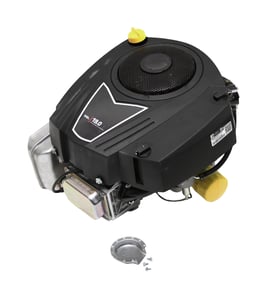
Yes. We still carry replacement parts for the Briggs 190402-6151-01 lawn and garden engine, including common service items like ignition, carburetion, seals, and starter components. The key is matching the exact engine model and type code so you get the correct fit and function.
How to make sure you order the right part
Use the full model number 190402-6151-01 and then match the part by name and part ID. For example, if you suspect a sheared flywheel key after a sudden stop, the correct replacement is the Briggs & statton key 222698S.
- Confirm the engine model is 190402-6151-01 (not just “190402”).
- Compare the part name and part ID, not only the price.
- Replace gaskets or seals you disturb during disassembly.
- If the engine won’t shut off, check the kill circuit and switch wiring.
- If it runs rough or surges, focus on fuel quality and carburetor condition.
Common parts customers replace on this engine
These are typical “first checks” when troubleshooting starting, running, or leaking issues.
| Symptom | Likely area | Example part for this model |
|---|---|---|
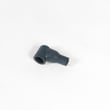
| Won’t start or weak spark | Ignition/kill circuit | Briggs & Statton Lawn & Garden Equipment Engine Ignition Module (part ID 398811) |
| Runs poorly, surges, won’t idle | Fuel/carburetion | Briggs & Statton Carburetor (part ID 394693) |
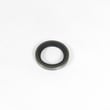
| Oil leak near crank area | Seals | Briggs & Statton Oil Seal (part ID 391086S) |
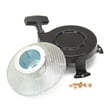
| Recoil starter slips or won’t rewind | Starter hardware | Briggs & Statton Lawn & Garden Equipment Engine Recoil Starter Pulley (part ID 295871) |
Why it matters
Small-engine parts are highly model-specific. Ordering by the exact 190402-6151-01 identifier helps prevent no-fit returns and avoids issues like incorrect ignition timing, fuel delivery problems, or repeat oil leaks.
Last updated: February 2026
How do I find the specs for my Briggs & Stratton engine?
To get the correct specs for your Briggs engine, match the identification numbers stamped on the engine to your exact model. For Briggs 190402-6151-01, the most reliable path is using the Model, Type, and Code numbers from the engine shroud or blower housing so the specs (HP, displacement, tune-up parts) match your build.
Where to find the Model, Type, and Code numbers
On most Briggs lawn and garden engines, the numbers are stamped or printed on the engine, not on the mower or tractor frame. Check these common locations:
- Blower housing (recoil starter shroud)
- Valve cover area
- Muffler heat shield
- Near the spark plug
- On a metal tag or stamped pad on the engine casing
How to use those numbers to look up specs
Once you have the Model, Type, and Code, use them together. The Code is especially important because it identifies the production date and can change the correct carburetor, ignition, and gasket details.
- Write the numbers exactly as shown (including dashes)
- Use the full set: Model + Type + Code
- Compare your findings to the parts list for 190402-6151-01 to confirm fit
Quick ID guide
| Number | What it tells you | Why it matters |
|---|---|---|
| Model | Engine family/series | Narrows down core specs like displacement |
| Type | Exact configuration | Matches carburetor, governor, and fuel system setup |
| Code | Build date/version | Prevents ordering the wrong revision of parts |
If you are missing the tag or the stamp is hard to read
Use these practical checks to confirm you are in the right engine family before ordering parts:
- Compare the carburetor style to Briggs & statton carburetor 394693
- Verify your ignition kill setup if your engine uses a stop switch (common on walk-behind equipment)
- Cross-check recoil starter components if you have pull-start hardware
Why it matters
Briggs engines often share the same Model number across multiple Type and Code variations. Using all three ID numbers ensures the specs you find (and the parts you buy, like a carburetor, ignition module, or gasket set) match your exact 190402-6151-01 build.
Last updated: February 2026
What are the parts of a lawn mower engine?
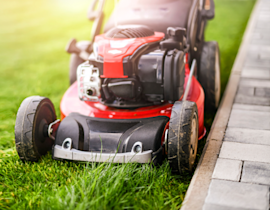
A typical lawn mower engine like the Briggs 190402-6151-01 is built around fuel delivery, air intake, ignition, and rotating internal parts that create power. The exact layout varies by mower, but the core components are consistent across most small 4-cycle lawn and garden engines.
Main engine systems (what each one does)
- Fuel system: stores and meters fuel into the engine (tank, cap, carburetor)
- Air intake and filtration: keeps dirt out while feeding air (air cleaner base, filter)
- Ignition system: creates spark at the right time (ignition module, flywheel, key)
- Starting system: lets you crank the engine (recoil starter parts)
- Lubrication and sealing: holds oil in and contaminants out (oil seal, drain plug)
- Engine block and internals: converts combustion into rotation (crankcase, connecting rod, rings, cylinder head)
Common parts you may replace on model 190402-6151-01
These are some frequently serviced items we see for this Briggs model:
- Briggs & statton carburetor 394693 (fuel metering, hard-start and surging issues)
- Briggs & statton fuel cap 799719 (vents the tank; a bad cap can mimic fuel starvation)
- Briggs & statton lawn & garden equipment engine ignition module 398811 (no-spark problems)
- Briggs & statton key 222698S (flywheel timing key; can shear after a sudden stop)
- Briggs & statton oil seal 391086S (oil leaks around a shaft)
- Briggs & statton plug 690946 (oil drain plug for oil changes)
Quick “system to part” map
| Engine system | What you’ll notice when it fails | Example part on this model |
|---|---|---|
| Fuel delivery | Won’t start, surges, dies under load | Carburetor |
| Ignition | No spark, backfires, intermittent run | Ignition module, flywheel key |
| Starting | Rope won’t retract, won’t crank smoothly | Recoil starter pulley/cup |
| Lubrication/sealing | Oil leak, low oil level | Oil seal, drain plug |
Why it matters
Knowing the engine’s major systems helps you troubleshoot faster and buy the right repair part the first time. For example, a “starts then dies” complaint usually points to fuel delivery or tank venting, while a true “no spark” points to ignition components.
Last updated: February 2026