Installation guide
 Owner’s manual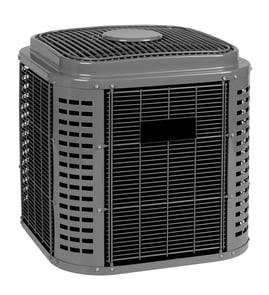


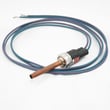
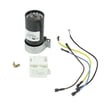

How to buy Carrier parts?
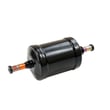
You can buy replacement parts for your Carrier 38TXA042 condensing unit directly from the parts list for this model, making sure you match the model and serial information so you get the correct component. For part identification and service guidance, use the owner's manual.
- Confirm the outdoor unit model number is 38TXA042 and note the serial number from the rating plate.
- Use the parts list for this model to match the exact component name and description.
- If you are replacing an electrical component, shut off power at the disconnect and breaker before inspecting wiring.
- Compare your old part to the replacement (mounting, terminals, and ratings) before installing.
- If the repair involves refrigerant circuit work (brazing, evacuation, charging), use a qualified HVAC technician.
These are examples of parts available for Carrier 38TXA042 that often relate to “no cooling” or “outdoor unit not running” symptoms:
| Symptom | Likely area | Example part on this model page |
|---|---|---|
| Outdoor unit will not start | Control circuit | Contactor (part number HN51KB024) |
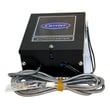
| Compressor struggles to start | Start components | Central air conditioner compressor hard start kit KSAHS1501AAA |
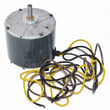
| Fan not spinning or noisy | Condenser fan section | Central air conditioner condenser fan motor HC37GE210 |
Central air conditioner parts are highly model-specific. Matching the correct Carrier part to 38TXA042 helps prevent miswiring, improper fit, and repeat failures, especially with high-voltage items like a contactor or condenser fan motor.
Last updated: February 2026
What is the average life of a Carrier air conditioner?
A Carrier central air conditioner like model 38TXA042 typically lasts 15 to 20 years. Real-world lifespan depends most on airflow, coil cleanliness, and correct operating conditions; restricted airflow and debris buildup can shorten the life of the condensing unit.
Most central AC systems fall into the same general range, but these factors move the needle the most:
- Air filter maintenance: a clogged filter raises operating cost and shortens unit life
- Outdoor unit airflow: keep the condenser clear of leaves, grass clippings, and obstructions
- Clearance around the unit: maintain about 12 inches minimum from tall grass, vines, shrubs, etc.
- Thermostat control habits: avoid controlling the system by switching power on and off
- Operating temperature limits: don’t run cooling below about 55°F outdoor temperature unless the system is modified
- Replace or clean the indoor air filter on a regular schedule
- Keep supply and return registers open and unblocked
- Rinse debris off the outdoor coil and keep the top of the unit clear
- Confirm the condenser fan runs smoothly and quietly during a cooling call
- Schedule periodic professional service to check refrigerant charge, electrical connections, and coil condition
| Symptom | Common cause | Typical next step |
|---|---|---|
| Rising electric bills, longer run times | Dirty coils, restricted airflow, aging compressor | Clean/repair first; evaluate replacement if performance stays poor |
| Frequent no-cool calls | Electrical wear (contactor/capacitor), motor issues | Diagnose and replace failed parts |
| Loud buzzing or chattering at startup | Worn contactor or electrical issue | Inspect wiring and contactor |
A central AC is a system; when airflow is restricted or the outdoor unit can’t “breathe,” the compressor and fan motor work harder, which accelerates wear. Following the operating and clearance guidance in the owner's manual is one of the simplest ways to get the full 15 to 20 years.
Last updated: February 2026
What is the most expensive part to replace on an AC unit?
On a central AC system like the Carrier 38TXA042 condensing unit, the compressor is typically the most expensive component to replace because it is the core of the refrigerant-compression cycle and often drives the highest labor and refrigerant-handling costs. For model-specific service details, use the owner's manual.
- It is the “heart” of the outdoor condensing unit; when it fails, cooling stops.
- Replacement commonly involves refrigerant recovery, evacuation, and recharging.
- A compressor failure can also contaminate the sealed system, increasing repair scope.
- Labor time is usually higher than for electrical parts like a contactor or switch.
Costs vary by region and system condition, but these are commonly the next most expensive items on an outdoor unit.
| Part or repair area | Typical cost level | Notes |
|---|---|---|
| Compressor (sealed system) | Highest | Often includes refrigerant work and longer labor time |
| Condenser coil / major refrigerant leak repair | High | May require extensive disassembly and refrigerant handling |
| Condenser fan motor | Medium to high | Motor replacement is usually simpler than compressor work |
| Electrical controls (contactor, switch) | Low to medium | Often faster to diagnose and replace |
A “no-cool” or “won’t start” complaint is often airflow or electrical, not a failed compressor. We recommend these checks first:
- Replace or clean the indoor air filter; a dirty filter strains the compressor and can cause shutdowns.
- Make sure supply and return registers are not blocked.
- Keep the outdoor unit clear; maintain about 12 inches of clearance from tall grass, shrubs, and debris.
- Do not cycle power at the disconnect to control temperature; use the thermostat.
- If you need electrical testing, use safe meter practices and follow the wiring information in the installation guide.
Preventing airflow restrictions and keeping the outdoor unit clean reduces compressor strain, lowers operating costs, and helps avoid the most expensive repair on the system.
Last updated: February 2026
Can I replace AC spare parts myself?
Yes, you can replace some parts on your Carrier 38TXA042 condensing unit yourself, but only if the job is strictly electrical or mechanical and does not involve opening the sealed refrigerant system. Always disconnect power to both the indoor and outdoor units before removing panels, and follow the safety warnings in the owner's manual.
These tasks are realistic for experienced DIYers with basic electrical tools and safe work habits:
- Replace a contactor (common “no outdoor unit” or “won’t start” issue)
- Replace a condenser fan motor (fan not spinning, overheating shutdown)
- Replace a hard start kit (compressor struggles to start)
- Tighten or re-terminate a loose wire connection (after power is off)
- Clean around the outdoor unit and keep airflow clear
Some repairs require specialized tools, training, and safe handling procedures:
- Any refrigerant work (leak repair, evacuating, charging)
- Compressor replacement
- Coil replacement or brazing/soldering
- Diagnosing repeated breaker trips without electrical test experience
Use this to decide whether a DIY repair makes sense.
| Job type | Typical DIY-friendly? | Why |
|---|---|---|
| Electrical control parts (contactor, switch) | Yes | Parts are accessible; wiring must be matched exactly |
| Fan motor replacement | Yes | Mechanical swap plus wiring; verify capacitor and rotation |
| Refrigerant circuit repairs | No | Requires sealed-system tools and procedures |
| Annual system inspection | No (best by technician) | Includes coil cleaning, wiring checks, operational testing |
If your symptoms point to a specific component, these are common replacements for the 38TXA042:
- Central air conditioner condenser fan motor HC37GE210
- Central air conditioner compressor hard start kit KSAHS1501AAA
- Contactor (part number HN51KB024)
The manual warns that improper service can cause electrical shock, fire, or other hazards. Cutting power at all disconnects (there can be more than one) prevents serious injury and also protects components from damage during troubleshooting.
Last updated: February 2026