
Can I use SAE 30 in my Honda pressure washer?
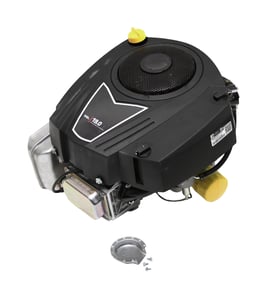
Yes. SAE 30 works well in warm weather for many Honda small engines, including the Honda GCV-190-AS3A used on some pressure washer setups. For easier cold starts and wider temperature swings, 10W-30 is the better all-season choice.
Oil choice guidance for the Honda GCV-190-AS3A
Use viscosity based on the temperatures you actually run the engine in:
- SAE 30: best for consistently warm conditions
- 10W-30: best for mixed temperatures and cooler mornings
- Check oil level on a level surface before each use
- Do not overfill; excess oil can cause smoking and hard starting
- Change oil regularly; clean oil protects internal parts under load
Quick oil selection table
| Typical conditions | Recommended viscosity | What you gain |
|---|---|---|
| Hot weather use | SAE 30 | Stable protection at higher temps |
| Spring through fall, variable temps | 10W-30 | Better cold-flow and flexibility |
| Frequent cool starts | 10W-30 | Faster lubrication on startup |
Why it matters
Oil viscosity affects startup lubrication and high-load protection. Matching the oil to your temperature range reduces wear on internal engine components and helps prevent smoking, rough running, and premature engine wear.
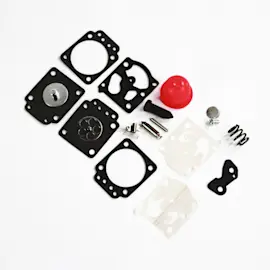
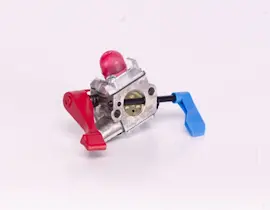
Related maintenance parts for this engine
If performance is off (surging, loss of power, dirty exhaust), basic air intake service is a strong first step.
Last updated: February 2026
Is the Honda GCV-190-AS3A a good engine?
Yes. The Honda GCV-190-AS3A is a strong, dependable small gas engine for lawn and garden equipment because it starts easily, runs smoothly, and delivers consistent power when it is maintained with clean fuel, the correct oil level, and a clean air intake.
What “good” looks like on this engine
A GCV-190-AS3A is performing well when you see these signs:
- Starts in 1 to 3 pulls when cold (with choke used correctly)
- Idles smoothly without hunting or surging
- Accelerates cleanly under load
- No black smoke (over-fueling) and no backfiring
- No fuel leaks around the fuel system
Maintenance items that most affect performance
Most “bad engine” complaints trace back to airflow, fuel delivery, or basic controls. These checks make the biggest difference:
- Keep the air intake clean; replace the filter when it is dirty (see air cleaner 17211-zl8-023)
- Use fresh gasoline; drain old fuel before seasonal storage
- Keep oil at the full mark; low oil can cause poor running or shutdown on many applications
- If it surges or stalls, verify steady fuel flow and clean the carburetor bowl and jets
Quick symptom-to-likely-cause guide
| Symptom | Most common cause | What to do first |
|---|---|---|
| Hard starting | Dirty air filter, stale fuel | Service filter, replace fuel |
| Surging at idle | Varnish in carburetor, restricted jet | Clean bowl and jets, use fresh fuel |
| Low power | Restricted airflow, governor linkage issue | Check filter, inspect linkage |
| Fuel won’t shut off | Faulty shut-off valve | Replace valve kit |
If you need to stop fuel flow for storage or service, replacing the fuel shut-off valve kit 04103-Z0L-000 restores positive shutoff and helps prevent carburetor flooding.
Why it matters
A “good engine” is mostly about reliable starting and steady power over time. On the GCV-190-AS3A, routine air filter service and fresh fuel prevent the most common no-start and poor-running problems.
Last updated: February 2026
How many HP is a Honda GCV-190-AS3A?
The Honda GCV-190-AS3A is a 5.1 HP-class lawn and garden engine (commonly listed as 5.1 HP at 3,600 RPM) and is identified by its 190cc displacement. If your engine feels underpowered, airflow and fuel delivery issues are the first things we check.
What “HP” means on this engine
Small engines are often described by either horsepower or torque; the most consistent identifier for matching parts is the model number and displacement.
- Horsepower (gross): peak power rating used for comparisons
- RPM rating: power is tied to governed speed (often 3,600 RPM)
- Displacement: 190cc (engine size)
- Torque listings: sometimes shown instead of HP on equipment labels
Quick reference
| Spec label you see | What it describes | Why it matters |
|---|---|---|
| 5.1 HP | Gross horsepower class | Helps compare engine output |
| 3,600 RPM | Rated/governed speed | Affects cutting power under load |
| 190cc | Displacement | Helps confirm the engine family |
If it seems weak, restore power with basic maintenance
Most “low power” complaints come from restricted air intake or fuel problems, not internal engine wear.
- Replace a dirty air filter and confirm the cover seals tightly
- Drain old fuel and refill with fresh fuel
- Clean the carburetor if it surges, hunts, or bogs
- Verify throttle and governor linkages move freely
- Check the spark plug condition and gap
Parts we commonly use for power-related issues
| What you notice | What to check first | Example part |
|---|---|---|
| Bogging, black smoke, low power | Clogged air filter | Air cleaner 6718159 |
| Air filter will not seal | Cracked/warped filter cover | Air cleaner 7356025 |
| Stalling or fuel starvation | Fuel shut-off valve sticking/leaking | Lawn & garden equipment engine fuel shut-off valve kit 04103-Z0L-000 |
Why it matters
Using the correct 5.1 HP-class expectation helps you diagnose performance accurately; keeping the intake and fuel system clean is what restores the power you actually feel at the blade and drive.
Last updated: February 2026