Owner’s manual





What is the lifespan of a Samsung front load washer?
A Samsung front load washer typically lasts 10 to 15 years with normal household use and routine care. For your Samsung WF50A8800AV, following the maintenance steps in the WF50A8800AV owner's manual helps reduce odor, leaks, and vibration that can shorten washer life.
What affects washer lifespan most
- Overloading the drum (extra strain on the motor, tub, and suspension)
- Skipping routine cleaning (buildup leads to odor, poor draining, and wear)
- Using too much detergent or non-HE detergent (excess suds and residue)
- Poor installation conditions (unlevel washer, incorrect drain setup)
- Water quality and pressure issues (hard water scale, sediment)
Maintenance that extends life (high impact)
We recommend building these into your routine:
- Run the washer’s tub-clean cycle regularly (Samsung calls this Self Clean+)
- Clean the door boot and leave the door ajar between loads to dry out the tub
- Check and clean the drain system when you notice slow draining
- Use the correct amount of HE detergent and avoid frequent overdosing
- Keep the washer level to reduce vibration and suspension wear
Quick reference: what “normal” looks like
| Item | Typical range for front load washers | Why it matters |
|---|---|---|
| Expected service life | 10 to 15 years | Helps plan repairs vs. replacement |
| Water pressure | 20 to 116 psi | Low pressure can cause fill issues; high pressure can stress valves |
| Spin speed | Up to 1200 rpm | Higher spin increases vibration if unlevel |
Why it matters
Most early failures come from preventable stress: excess vibration, moisture left in the door boot, and drainage restrictions. Consistent cleaning and correct loading protect key systems like the tub bearings, suspension, and drain pump.
Last updated: February 2026
Is the Samsung WF50A8800AV a front load washer?
Yes. The Samsung WF50A8800AV is a front load (front loading) washer; the specification sheet in the WF50A8800AV user manual lists the type as “Front loading washer.”
How we confirm the washer type
In the model documentation, Samsung identifies the washer type directly.
- Model family shown in the manual: WF50A88*A
- Washer type listed: front loading washer
- Typical design: door on the front with a door boot (gasket)
Why this matters for parts and troubleshooting
Front load washers use different components and service steps than top load washers, especially around the door seal and draining.
| What you’re doing | Front load washer (WF50A8800AV) | Top load washer |
|---|---|---|
| Fixing leaks at the door | Uses a door boot and clamps | No door boot |
| Odor prevention | Needs regular tub cleaning and door care | Usually less door-seal moisture |
| Drain issues | Pump and filter access is common | Different pump layouts |
Common front load parts you may see on this model
If you are shopping parts for WF50A8800AV, these are common front load items (examples from the parts list):
- Washer door boot DC64-03788B (door seal that prevents leaks)
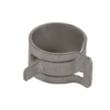
- Washer door boot spring clamp DC97-04981F (clamp that secures the boot)
- Samsung washer drain pump assembly DC97-20621A (pumps water out during drain/spin)
Why it matters
Choosing “front load” when searching for Samsung washer parts, error codes, or maintenance steps helps you get the right instructions and the correct replacement parts the first time.
Last updated: February 2026
What is the most common problem with Samsung washers?
The most common problems we see on Samsung washers like model WF50A8800AV involve the machine not spinning out properly because of drainage issues or out-of-balance (vibration) conditions. Many “won’t start” complaints also trace back to door closure, power, or water supply checks listed in the WF50A8800AV owner's manual.
Most common issues (and what they look like)
- Drain problems: water left in the tub, long cycle times, or stopping before final spin
- Out-of-balance / vibration: banging, walking, or repeated rebalancing during spin
- Fill problems: slow fill, no fill, or NF-type fill errors when taps are closed or flow is restricted
- Door/lock related: won’t start because the door is not fully closed or laundry is caught in the door
- Electrical/control symptoms: intermittent operation, clicking then stopping, or needing a reset
Quick checks we recommend first (WF50A8800AV)
These match the first troubleshooting steps Samsung calls out for “does not start” and other basic failures.
- Confirm the washer is plugged in and the breaker is not tripped
- Make sure the door is fully closed and no clothing is pinched in the gasket area
- Verify both water taps are fully open
- Start the cycle correctly (tap and hold Start as directed on the control)
- Check that Child Lock is not enabled
Common causes and likely fixes
| Symptom | Most likely cause | Typical fix |
|---|---|---|
| Won’t drain or won’t spin out | Drain restriction or failing pump | Clean drain path; replace pump if noisy or weak |
| Loud banging in spin | Unbalanced load or worn suspension | Rebalance load; inspect shocks and springs |
| No fill / slow fill | Supply issue or inlet valve problem | Check hoses/screens; replace inlet valve if needed |
| Won’t start | Door not closed, power issue, or control logic | Reseat power, close door firmly, restart cycle |
Parts that often solve these problems
If troubleshooting points to a failed component, these are common repair parts for this model:
- Drain issue: Samsung washer drain pump assembly DC97-20621A
- Fill issue: washer water inlet valve DC62-30314K
- Excess vibration: washer shock absorber DC66-00470D
Why it matters
Drain and balance problems do more than interrupt a cycle; they can prevent high-speed spin, leave clothes soaking wet, and increase vibration stress on the tub and suspension. Catching the cause early helps avoid repeat failures and water leaks.
Last updated: February 2026