Owner’s manual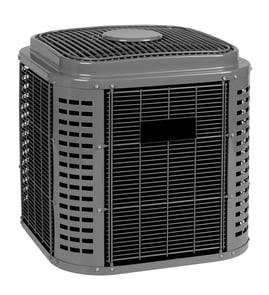



How much should a central air conditioning unit cost?
A typical installed central air conditioning system usually costs about $3,000 to $15,000+, depending on capacity (tons), efficiency rating, your home’s ductwork, and installation complexity. For Icp model NXA636GKA100, the exact total depends mostly on labor and any needed upgrades.
What drives the price most
- System size (tons/BTU): Larger homes need larger capacity, which raises equipment and labor cost.
- Efficiency (SEER/SEER2): Higher efficiency units cost more upfront but can reduce operating cost.
- Ductwork condition: Leaky, undersized, or damaged ducts add significant labor and materials.
- Electrical and pad changes: Disconnect, wiring, breaker sizing, and condenser pad work can add cost.
- Indoor components: A new evaporator coil, line set changes, or furnace/air handler work increases the total.
- Permits and commissioning: Local requirements and startup testing can affect the final price.
Typical cost ranges (installed)
| What you’re paying for | Common range | Notes |
|---|---|---|
| Outdoor condenser only swap | $2,500 to $7,000 | Only when indoor coil and ducts are compatible and in good shape |
| Full AC system (outdoor + indoor coil) | $4,000 to $12,000 | Most common replacement scope |
| Full system plus ductwork or major upgrades | $8,000 to $15,000+ | Duct modifications, electrical work, access issues, or high-efficiency equipment |
How we recommend you estimate your real total
- Confirm your model and serial information and keep it handy for quotes (see the NXA636GKA100 owner's manual).
- Ask for a load calculation (not just “same size as before”).
- Have the contractor inspect return filter condition, coils, and outdoor airflow clearance; restricted airflow can mimic “undersized” equipment.
- Compare quotes line-by-line for scope: indoor coil, refrigerant line set, electrical, pad, permits, and startup testing.
Why it matters
Central AC pricing varies because installation quality and airflow setup directly affect comfort and compressor life. The manual also highlights that real-world efficiency depends on configuration and installation practices, not just the equipment rating.
Last updated: February 2026
What are signs of a failing AC outdoor unit?
For the Icp NXA636GKA100 split-system air conditioner, common signs of trouble at the outdoor unit include weak cooling, the outdoor fan not running normally, unusual noises, and repeated electrical shutoffs. Start with the basic checks in the owner's manual before assuming a major component has failed.
Common warning signs to watch for
- Cooling drops off (air feels lukewarm even with the thermostat set to COOL)
- Outdoor fan blade is obstructed, runs intermittently, or will not run
- Rattling, grinding, buzzing, or squealing from the condenser area
- Circuit breaker trips or fuses blow repeatedly
- Outdoor coil is packed with grass clippings, leaves, lint, or dirt
- System runs constantly but cannot maintain temperature
Quick checks we recommend first (safe, homeowner-level)
Turn OFF power to both the indoor and outdoor units before inspecting anything around the outdoor unit.
- Thermostat: Set system to COOL and set temperature below room temperature.
- Return air filter: Replace a dirty filter or clean a reusable filter.
- Breaker/fuses: Reset the breaker or replace fuses if needed.
- Outdoor unit: Clear debris from coils and confirm nothing is blocking the fan blade.
What the symptoms often point to
| Symptom | Common cause | What to do next |
|---|---|---|
| Outdoor fan not running | Failed motor, bad contactor, obstruction | Check for debris; a technician may test the central air conditioner condenser fan motor 1173716 and central air conditioner contactor 1172472 |
| Repeated breaker trips | Electrical fault, failing motor, wiring issue | Stop resetting; have wiring and components tested |
| Poor cooling with dirty outdoor coil | Restricted airflow through condenser | Clean coils gently with a soft brush; avoid bending fins |
| Loud metallic rattling | Loose fan guard or hardware | Inspect and secure; replace damaged fan guard 1178604 |
Why it matters
Dirty filters and clogged outdoor coils are a leading cause of inadequate cooling and can contribute to compressor damage. Keeping airflow clear and electrical connections sound helps the NXA636GKA100 run efficiently and avoid bigger repairs.
Last updated: February 2026
What is the average lifespan of a central air conditioning unit?
Most central air conditioning units last 15 to 20 years with normal use and consistent maintenance. For your Icp split-system air conditioner model NXA636GKA100, keeping airflow and outdoor coils clean helps protect the compressor and supports a full service life (see the owner's manual).
Typical lifespan ranges (what we see most often)
- 15 to 20 years: well-maintained central air conditioner
- 10 to 15 years: limited maintenance, heavy run time, or harsh conditions
- 20+ years: possible, but efficiency and repair frequency usually become the deciding factors
| Unit condition | What you typically notice | What it means for lifespan |
|---|---|---|
| Well maintained | steady cooling, fewer breakdowns | tends to reach 15 to 20 years |
| Dirty filter or restricted airflow | weak cooling, longer run times | shortens compressor life |
| Outdoor coil clogged | higher energy use, overheating risk | increases wear and failure risk |
Maintenance that most directly affects lifespan
The NXA636GKA100 homeowner information calls out a few items that matter most for reliability and compressor protection:
- Check the return air filter monthly; replace or clean as needed
- Keep the outdoor unit coils and fins clear of leaves, grass clippings, lint, and dirt
- Confirm the thermostat is set correctly (COOL mode; setpoint below room temperature)
- Check breakers and fuses if the system will not run
- Keep the outdoor fan area unobstructed (no branches or debris contacting the fan blade)
Why it matters
A central air conditioner is a system; when airflow is restricted or the outdoor coil is clogged, the unit runs hotter and longer. That extra stress is a common path to compressor damage, which is one of the most expensive failures and often drives replacement decisions.
Last updated: February 2026
What is the most common part to fail on an AC unit?
On most central AC systems, the most common electrical failure is the run capacitor (it helps start and keep the compressor and condenser fan motor running). On the Icp NXA636GKA100, we also see frequent service calls tied to airflow and electrical control issues, especially a dirty filter and worn switching components.
Most common failures we see (and what they look like)
- Run capacitor: outdoor unit hums, fan will not start, or starts slowly.
- Contactor: outdoor unit will not turn on even when the thermostat calls for cooling.
- Condenser fan motor: fan blade does not spin, unit overheats, or shuts down on safety.
- Dirty return air filter: weak cooling, icing risk, higher compressor stress.
- Dirty outdoor coil: reduced efficiency and potential compressor damage.
For model-specific operating checks and maintenance intervals, follow the NXA636GKA100 owner's manual.
Parts on this model that commonly relate to “won’t start” complaints
If your outdoor unit is not running, these are the most relevant parts listed for the Icp NXA636GKA100:
| Symptom | Likely area | Example part on this model |
|---|---|---|
| No outdoor operation | Switching/control | Central air conditioner contactor 1172472 |
| Fan not running, unit hot | Air movement | Central air conditioner condenser fan motor 1173716 |
| Electrical connection issue | Grounding/connection | Lug ground 1172300 |
Quick checks before replacing parts
Turn off power at all disconnects before opening panels.
- Confirm thermostat is set to COOL and setpoint is below room temperature.
- Check breakers and fuses; reset or replace as needed.
- Inspect the return air filter; replace or clean it if dirty.
- Clear debris around the outdoor unit; keep leaves, grass, and lint off the coil.
- Look for obvious loose or damaged wires and terminals.
Why it matters
A failed capacitor or contactor can stop cooling immediately, but restricted airflow (dirty filter or clogged outdoor coil) can quietly drive up energy use and is a common cause of inadequate cooling and compressor failures. Regular filter and coil maintenance prevents many “part failures” before they start.
Last updated: February 2026