Owner’s manual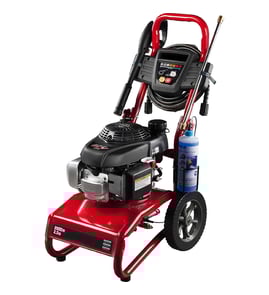



What are the most common issues with 1536-1?
The most common issues we see with the Generac 1536-1 pressure washer are low or surging pressure, leaks at hose or pump connections, chemical injector not drawing soap, and hard starting or stalling under load. Most problems trace to water supply restrictions, worn seals and O-rings, or a sticking unloader valve.
Quick checks that fix many problems
- Verify a steady water supply; use a fully open spigot and a non-kinked garden hose.
- Purge air: connect water, squeeze the trigger until flow is steady, then start the engine.
- Clean the spray tip/nozzle; a partial clog causes pulsation and low pressure.
- Inspect connections for drips; replace flattened or nicked seals.
- Confirm the wand is set correctly; an adjustable wand can reduce pressure if mispositioned.
Common symptoms and likely causes
| Symptom | Most likely cause | What to do first |
|---|---|---|
| Low pressure | Clogged nozzle, air in system, worn pump seals | Clean tip, purge air, inspect pump seals |
| Pressure surges | Sticking unloader valve, restricted water supply | Check water flow, then service unloader |
| Water leaking | Worn O-ring or pump seal | Replace O-ring/seal and recheck fittings |
| Won’t draw soap | Clogged injector filter or hose issue | Clean/replace injector filter and hose |
Parts that commonly solve these issues
These are frequently involved when addressing leaks and chemical injection on this model:
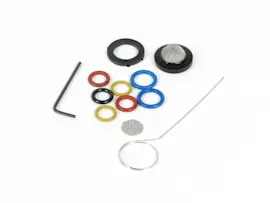
- Pressure washer o-ring 97840GS for connection leaks and seepage
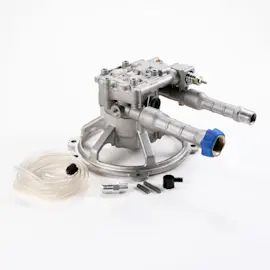
- Pressure washer pump housing seal 98300GS for pump housing leaks
- Pressure washer pump piston oil seal 93680GS for oil-side pump sealing issues
- Pressure washer chemical injector hose filter 709496 when soap pickup is weak or intermittent
- Pressure washer chemical injector hose 705076 if the injector line is cracked, loose, or collapsing
Why it matters
Running the 1536-1 with restricted water flow or active leaks can quickly damage the pump and seals, and it also makes the unloader work harder, which increases pressure surging and shortens component life.
For model-specific operating steps, maintenance intervals, and winterizing guidance, follow the owner's manual.
Last updated: March 2026
What is the average lifespan of 1536-1?
A Generac gas pressure washer like model 1536-1 typically lasts 7 to 10 years with normal homeowner use and routine maintenance. Lifespan depends most on pump care (never running dry), clean water supply, and proper storage between seasons.
What affects lifespan the most
- Pump protection: Always have water flowing before starting; avoid long bypass (trigger released) run time.
- Water quality: Sediment and hard water wear seals and check valves faster.
- Hose and fitting leaks: Small leaks reduce pressure and can overwork the pump.
- Chemical use: Rinse after detergent use; keep the injector and filter clear.
- Storage: Winterize to prevent freeze damage and corrosion.
Maintenance schedule we recommend
Use your owner's manual for the exact intervals and capacities.
| Task | Typical interval | Why it matters |
|---|---|---|
| Change engine oil | Every 25 to 50 hours or each season | Prevents engine wear and power loss |
| Inspect/clean inlet screen | Every use | Protects pump valves and seals |
| Check hoses, O-rings, fittings | Every use | Prevents leaks and pressure drop |
| Winterize for freezing temps | End of season | Prevents cracked pump housing |
Parts that commonly extend service life
Replacing small wear items early helps the 1536-1 maintain pressure and avoid pump damage.
- Pressure washer o-ring 97840GS for leaking connections
- Pressure washer pump housing seal 98300GS for pump seepage at the housing
- Pressure washer pump piston oil seal 93680GS for oil or water leakage around the piston area
- Pressure washer chemical injector hose filter 709496 if chemical pickup is weak or clogged
Why it matters
A pressure washer usually fails early from pump damage (running without water, freezing, or dirty water) rather than engine hours. Keeping seals, O-rings, and filters in good shape preserves pressure and prevents costly pump replacement.
Last updated: March 2026
How do I find the model number on my 1536-1?
The model number for your Generac pressure washer is printed on the unit’s model and serial number label; on the 1536-1, it will read 1536-1. Use that exact number when ordering parts or checking specifications in the owner's manual.
Where to look on the pressure washer
Check these common label locations first (the label is usually a sticker or metal tag):
- On the frame/base near the pump mounting area
- On the handle/upright frame close to where the handle bolts on
- Near the engine on the frame rail (not the engine’s own model tag)
- On the rear of the unit near the hose connections
- Under the accessory tray area if your unit has one
What to write down (and why)
Record the full information from the label so we can match the correct diagrams and parts list.
- Model number (example: 1536-1)
- Serial number
- Any type/code numbers shown on the same label
- Engine model information (helpful for engine-specific parts)
Quick reference
| Item | What it’s used for | Example for this unit |
|---|---|---|
| Pressure washer model number | Matching the correct parts diagrams | 1536-1 |
| Serial number | Identifying production version | (varies) |
| Engine model/type/code | Engine tune-up and carburetion parts | (varies) |
If the label is missing or unreadable
Use the parts breakdown in the manual to confirm you have the correct series and configuration.
- Compare your unit to the exploded view and parts list in the owner's manual
- Match distinctive items like the 25-foot high-pressure hose, adjustable wand, and fittings
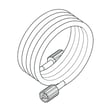
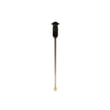
- If you need a replacement hose or wand, match by description and fitment (for example, 25'hose 84006753 or adjusting wand 205015CGS)
Why it matters
Generac pressure washer parts can vary by production run; using the exact 1536-1 model number helps ensure the right pump seals, O-rings, hose connections, and hardware fit correctly.
Last updated: March 2026