Error Codes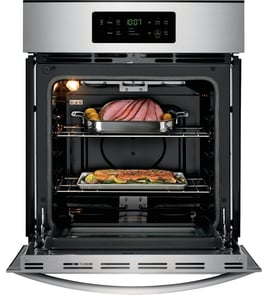





How long do Whirlpool wall ovens last?
Most Whirlpool electric wall ovens (including model WOED5030LZ01) last 13 to 15 years with normal use and basic care; many reach 15 to 20 years when they are kept clean, properly ventilated, and repaired promptly when a heating or airflow issue shows up.
Typical lifespan and what changes it
A wall oven’s life is driven by heat exposure, how often it runs at high temperatures, and whether cooling airflow stays strong.
- Light to moderate use (3 to 5 cooks/week): typically 13 to 15 years
- Heavy use (daily baking/roasting): typically 10 to 13 years
- Well-maintained units: often 15 to 20 years
- Poor ventilation or frequent self-clean cycles: shortens life
- Prompt part replacement: extends life by preventing heat damage to controls and wiring
Parts that most often affect longevity
When these parts weaken, the oven may still “turn on” but struggle to heat evenly, cool properly, or run reliably.
- Heating performance: a failing bake element can cause long preheat times and uneven baking
- Cooling and airflow: a weak blower can lead to overheating around the console
- Convection performance: a worn convection motor assembly can reduce even cooking and increase run time
- Door heat retention: damaged door inner glass can increase heat loss and stress components
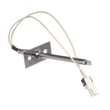
If you’re already seeing symptoms, start with the model-specific parts list for WOED5030LZ01, such as the range bake element W11545804 or blower W11598119.
Quick “replace vs. keep” guide
| What you’re seeing | Most common direction | Why |
|---|---|---|
| Slow preheat, uneven baking | Replace heating/airflow parts | Restores performance and reduces strain |
| Oven shuts down or overheats near controls | Check cooling blower and venting | Prevents heat damage to electronics |
| Door feels excessively hot or heat leaks | Inspect door glass and seals | Improves efficiency and safety |
| Multiple failures in a short time | Compare repair cost vs. age | Older units can need stacked repairs |
Why it matters
A wall oven that runs hotter than normal (from poor airflow, heat leaks, or weak heating components) puts extra stress on wiring and electronic controls. Fixing the root cause early often adds years to the oven’s service life.
Last updated: February 2026
How to order Whirlpool parts?
You can order replacement parts for your Whirlpool WOED5030LZ01 electric wall oven directly from the parts list for this model on Sears PartsDirect. Match the part to your exact model number, then confirm the part ID and description before checkout to ensure the correct fit.
How we recommend ordering parts for WOED5030LZ01
- Confirm the model number on the oven’s rating label: WOED5030LZ01
- Identify the failed part by symptom (no heat, noisy fan, door glass damage, etc.)
- Choose the exact part listing for this model and verify the part ID matches
- Order the part and keep your receipt and packaging until the repair is complete
- If you are unsure between similar listings, compare the part name and where it installs
Common parts customers order for this wall oven
These are examples of parts available for WOED5030LZ01 that people often replace when troubleshooting:
| Symptom | Part to check | Example part on this model page |
|---|---|---|
| Oven not heating or uneven baking | Bake element | Range bake element W11545804 |
| Cooling fan loud or not running | Blower | Blower W11598119 |
| Convection fan not circulating air | Convection fan motor | Convect motor assembly W11617227 |
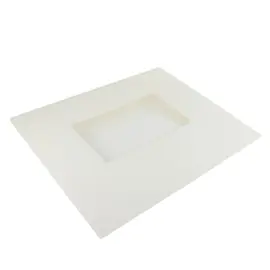
| Inner door glass cracked or hazy | Door glass | Wall oven door inner glass WPW10618107 |
Why it matters
Wall oven parts are model-specific; ordering by the exact WOED5030LZ01 model number helps ensure the electrical connectors, mounting points, and heat ratings match your Whirlpool oven.
Last updated: February 2026
What are the symptoms of a bad oven control board Whirlpool?
On a Whirlpool WOED5030LZ01 electric wall oven, a failing oven control board typically shows up as a dead or flickering display, keypad buttons that do not respond, random beeping, error codes, or heating that will not start or runs at the wrong temperature. If the oven acts “possessed” or won’t run Bake/Broil reliably, the control system is a top suspect.
Common symptoms you can expect
- Display goes blank, flickers, or resets (clock loses time).
- Touchpad buttons do nothing, work intermittently, or trigger the wrong function.
- Oven will not start Bake/Broil/Convect, or cancels shortly after starting.
- Temperature is erratic (overheats, underheats, or cycles strangely).
- Error codes appear repeatedly, especially after clearing power.
- Cooling fan or blower runs at odd times or seems to run constantly.
Quick checks before you replace a board
These steps help separate a control problem from a power, wiring, or component issue.
- Verify the oven has full power (a wall oven typically needs a solid 240 VAC supply).
- Reset power at the breaker for 1 minute, then retry a simple Bake cycle.
- Inspect the harness connections for looseness or heat damage, especially at the control area.
- If the oven will not heat, inspect the bake element for visible damage (blisters, cracks, breaks).
- If you have a meter and experience using it, test components instead of guessing.
A good DIY reference for safe electrical testing is how to use a multimeter to test electrical parts video.
Parts that are often involved (and when)
| Symptom | Most likely area | Example part on this model page |
|---|---|---|
| No heat but display works | Heating circuit | Range bake element W11545804 |
| Fan noise, fan runs oddly, overheating shutdowns | Cooling/airflow | Blower W11598119 |
| Random behavior after moving wires | Harness/connection | Harn main bi W11464640 |
Why it matters
A bad control board can mimic other failures. Confirming power, wiring, and the bake element first prevents replacing an expensive control when the real issue is a loose connector, damaged wire, or failed heating component.
Last updated: February 2026
What are the parts of an electric oven?
An electric wall oven like the Whirlpool WOED5030LZ01 is built around heating, airflow, controls, and door components. The core parts you will see most often are the bake and broil heating circuits, convection airflow parts (if equipped), the control system, and the door glass and sealing pieces.
Main parts you will find in most electric ovens
- Bake element: provides the primary heat for baking and roasting (typically at the bottom of the oven cavity)
- Broil element: provides high, direct heat from the top for broiling and browning
- Oven control and user interface: the electronic control board and console that run temperature, modes, and timing
- Temperature sensor: tells the control board the oven temperature so it can cycle heat accurately
- Convection fan system (on convection models): circulates hot air for more even baking
- Door assembly: hinges, inner/outer glass, and seals that keep heat inside
- Vent and cooling airflow: routes heat and moisture out and helps protect surrounding cabinetry
WOED5030LZ01 examples of parts on this page
These are common “real world” parts customers replace when troubleshooting heat, airflow, or door issues:
| Oven area | What it does | Example part on this page |
|---|---|---|
| Heating | Creates bake heat | Range bake element W11545804 |
| Door | Helps retain heat and provides visibility | Wall oven door inner glass WPW10618107 |
| Convection airflow | Moves air for convection cooking | Convect motor assembly W11617227 |
| Cooling airflow | Helps manage heat around controls and cabinet | Blower W11598119 |
| Controls | Runs oven functions and temperature logic | Ctrl-coperni W11649350 |
Why it matters
Knowing which system a part belongs to helps you troubleshoot faster. For example, uneven baking often points to convection airflow or temperature sensing, while slow preheat or no heat often points to a heating circuit (element, wiring, or control).
Quick troubleshooting pointers (before replacing parts)
- If the oven will not heat, check for a tripped breaker (many wall ovens use a 240V circuit).
- If it heats unevenly, try convection mode (if available) and confirm racks are positioned correctly.
- If the display works but heat is inconsistent, inspect wiring connections and use safe testing methods from how to use a multimeter to test electrical parts video.
- If you see visible damage (blistering, cracks, burn marks) on an element or wiring, replace the damaged component.
Last updated: February 2026