Owner’s manual
 View engine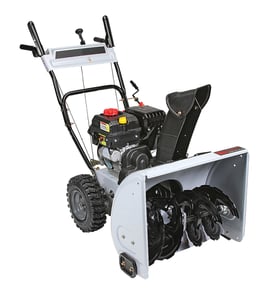




How to read Craftsman snowblower serial number?
On the Craftsman snow thrower model 536886350, the identification label is typically on the rear of the unit near the base between the wheels. Use that label to record the model and serial information exactly as printed, then match parts and diagrams in the 536886350 owner's manual.
Where to look on the machine
Check these common label locations first:
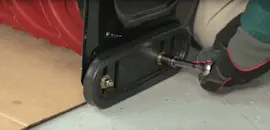
- Rear of the metal base between the left and right rear wheels
- Back side of the frame near the axle area
- Lower rear housing area behind the engine (wipe off snow, salt, and grime)
- Near the handle mounting area on the rear frame
How to read the numbers (model vs. serial)
The label usually includes both a model number and a serial number.
- Model number: Identifies the exact snowblower design so you get the right belts, chute parts, and hardware.
- Serial number: Identifies the production run; it helps when there are running changes.
- Copy it exactly: Keep all letters, numbers, and dashes in the same order.
Quick reference
| Item | What it’s used for | Example for this unit |
|---|---|---|
| Model number | Finding correct parts diagrams and part numbers | 536886350 |
| Serial number | Narrowing production variations | Printed on the same label |
Tips to avoid common mistakes
- Clean the label gently; packed dirt can hide characters.
- Write down characters that look similar (0 vs O, 1 vs I) carefully.
- If the label is damaged, use the parts diagrams in the manual to identify assemblies (drive, auger, chute).
Why it matters
Using the correct model and serial information prevents ordering the wrong drive or auger belt, chute hardware, or control parts for your Craftsman snowblower.
Last updated: January 2026
How many years should a snowblower last?
A Craftsman snow thrower like model 536886350 typically lasts 10 to 15 years with normal homeowner use and consistent maintenance. Keeping wear items (belts, shear pins, spark plug) in good shape and storing fuel correctly does the most to reach the high end of that range.
What affects snowblower lifespan most
- Maintenance frequency: checking fasteners, lubrication points, and wear parts each season
- Fuel care and storage: preventing stale fuel and carburetor varnish during off-season storage
- Operating conditions: heavy, wet snow and gravel driveways increase wear on the auger housing and scraper area
- Wear items replaced on time: drive belts and other consumables are expected to wear in normal use
- Corrosion prevention: touching up paint and protecting bare metal helps prevent rust damage
Maintenance habits that add years
Use the 536886350 owner's manual for the exact schedule and lubrication points. These practices are the biggest lifespan boosters:
- Check shear bolts and other bolts for tightness regularly
- Run the machine a few minutes after throwing snow to help prevent auger or impeller freeze-up
- Before storage, treat or remove gasoline to prevent gum deposits in the fuel system
- Inspect visible moving parts for wear or damage and replace as needed
- Protect bare metal on the auger housing and impeller with a rust preventative spray
Common “end of life” symptoms vs. normal repairs
| What you notice | Usually means | Typical fix |
|---|---|---|
| Wheels drive poorly or slips | Ground drive belt worn or stretched | Replace snowblower drive belt 1733324SM |
| Auger or impeller stops under load | Auger drive belt worn or out of adjustment | Replace snowblower gas belt 585416MA |
| Hard starting after storage | Fuel varnish or old fuel | Drain/treat fuel; tune-up |
Why it matters
A 10 to 15 year lifespan assumes you treat belts, lubrication, and fuel storage as routine upkeep. Those items cost far less than major drivetrain or engine repairs and keep your 10 HP, 29-inch dual-stage snow thrower performing reliably.
Last updated: January 2026
What is the most common problem with snow blowers?
The most common snowblower problem is hard starting or a no-start condition. On Craftsman model 536886350, the operator’s troubleshooting chart points first to fuel issues (water or dirt in fuel, blocked fuel line, low fuel) and ignition issues like a defective spark plug; both are especially common after storage.
Quick checks we recommend first
- Move the throttle to RUN and use CHOKE only for cold starting; running on CHOKE can cause rough running and stalling.
- Check the fuel supply and use fresh gasoline; water or dirt in the fuel system is a top cause of difficult starting.
- Inspect the spark plug condition and gap; replace a worn or fouled plug.
- Look for a pinched or blocked fuel line and correct it.
- Let the snowblower acclimate to outdoor temperature before starting (cold-soak helps reduce icing and hesitation).
Most common symptoms and what they usually mean
| Symptom | Most likely cause | What to do next |
|---|---|---|
| Won’t start or hard to start | Bad spark plug; contaminated fuel | Service plug; drain/refresh fuel per 536886350 owner’s manual |
| Runs rough or stalls | Running on CHOKE; fuel contamination; carburetor needs adjustment | Set CHOKE correctly; refresh fuel; tune carburetor |
| Excessive vibration | Loose parts; damaged impeller | Stop engine, inspect, tighten/repair before use |
| Won’t propel itself | Drive belt loose/damaged; worn friction wheel | Inspect belt and drive system; replace belt if worn |
| Won’t discharge snow well | Auger belt loose/damaged; shear bolt broken; chute clogged | Clear safely; inspect auger drive and shear bolts |
When the “problem” is actually a worn belt
If the engine runs but the unit will not move or will not throw snow, the manual points to a loose or damaged drive belt. For this model, common replacements include the snowblower drive belt 1733324SM (ground drive) and the snowblower gas belt 585416MA (auger drive).
Why it matters
Starting and drive complaints often trace back to fuel quality, ignition, and belt condition. Fixing those early prevents repeated pull-start strain, reduces stalling under load, and helps the auger and traction drive deliver full performance.
Last updated: January 2026
How do I tell what year my snowblower is?
For a Craftsman snow thrower model 536886350, the most reliable way to estimate the year is to use the engine manufacture date code (on the engine shroud, valve cover, or blower housing). That code tells you when the engine was built, which is usually close to when the snowblower was assembled and sold.
Where to find the date information
Check these common spots first (wipe dirt and oil off the tag so the numbers are readable):
- Engine identification label on the recoil starter housing (pull-start area)
- Valve cover area or engine shroud near the spark plug
- Metal tag or sticker on the engine block
- Snowblower frame tag (often shows model and serial, sometimes a date)
For diagrams and label locations specific to your unit, use the 536886350 owner's manual.
How to read the engine code (what it means)
Many small engines use a numeric date code format where the first two digits indicate the year. For example, a code like 99011556 is read as:
- 99 = year (1999)
- 01 = month (January)
- 15 = day of month (15th)
- Remaining digits = factory/sequence information
Quick example table
| Example code | Year | Month | Day |
|---|---|---|---|
| 99011556 | 1999 | 01 | 15 |
| 041230XX | 2004 | 12 | 30 |
If you cannot find a clear engine date code
Use these practical cross-checks to narrow it down:
- Compare your model number (536886350) and serial tag details to the manual parts diagrams
- Look for original wear items that match the parts list, such as the snowblower drive belt 1733324SM
- Check whether the engine is a Tecumseh or Briggs and match the engine model family on the tag
- If the unit has an electric start cord, confirm the style matches your parts list (example: Cord Str Mtr)
Why it matters
Knowing the approximate year helps us match the correct parts and service procedures for your Craftsman snowblower, especially for maintenance items like belts, chute hardware, and drive system adjustments.
Last updated: January 2026