Owner’s manual
 View engine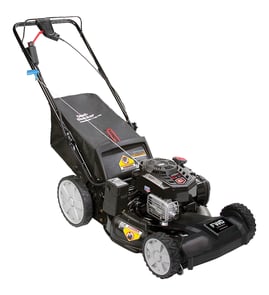
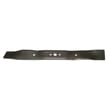



Is a wider lawn mower better?
A wider mower deck can be better because it cuts more grass per pass, so you finish faster on large, open lawns. For a Poulan CH65Y21RDP walk-behind mower, the “best” deck width depends on how tight your mowing areas are and how heavy the grass gets, since heavy conditions often require reducing your effective cutting width.
When a wider deck is the better choice
A wider deck helps most when your yard is open and you can mow in long, straight passes.
- Large, mostly flat lawns with few trees or beds
- You want fewer passes and faster mowing time
- You bag often and want to cover ground efficiently
- You mow frequently (grass is not overly tall)
When a narrower deck is the better choice
A narrower deck is easier to control and is less likely to scalp on uneven ground.
- Tight areas around landscaping, fences, and play sets
- Slopes, bumps, or uneven terrain
- You often mow tall or thick grass
- You want easier storage and handling
What your CH65Y21RDP manual says about heavy grass
In very tall or heavy grass, the practical “width of cut” matters more than the deck size. Our owner's manual recommends raising the cutting height for the first pass in tall grass and, for extremely heavy cutting, reducing the width of cut (overlap more) to avoid overloading the engine and leaving clumps.
Quick comparison
| Yard situation | Wider deck tends to win | Narrower deck tends to win |
|---|---|---|
| Open lawn | Yes | Sometimes |
| Many obstacles | No | Yes |
| Uneven ground | Sometimes | Yes |
| Very heavy grass | Not automatically | Often |
Why it matters
Choosing the right deck width helps you mow cleaner with less effort. Even with a wider deck, you will still get better results by adjusting cutting height, mowing speed, and overlap based on grass thickness and moisture.
Last updated: February 2026
What size yard is the CH65Y21RDP good for?
The Poulan CH65Y21RDP is a walk-behind rotary lawn mower; it is best for small to medium yards, typically up to about 1/2 acre depending on terrain, obstacles, and grass thickness. For the most accurate guidance on intended use and mowing practices, follow the recommendations in the CH65Y21RDP owner's manual.
Practical yard-size guidelines
Yard size is only part of the story; mowing time and cut quality depend heavily on conditions.
- Up to 1/4 acre: Great fit for routine weekly mowing
- 1/4 to 1/2 acre: Good fit if you mow regularly and keep a steady pace
- Over 1/2 acre: Expect longer mow times; consider reducing your cutting width with overlap in heavy grass
- Hilly or rough lawns: Plan for slower walking speed and more passes
- Lots of trees/landscaping: Walk-behind mowers handle tight areas well, but time increases
How grass conditions change what the mower can handle
Your manual’s mowing tips focus on reducing engine load and improving clipping control. In heavy or overgrown grass, we recommend:
- Raise the cutting height for the first pass, then lower it for a second pass
- Overlap your passes to effectively reduce the width of cut in thick grass
- Mow slower in moist or heavy grass to reduce clumping
- Keep the underside of the deck clear of built-up grass and debris
Quick comparison: walk-behind vs. riding mower yard size
| Mower type | Typical best-fit yard size | What limits it most |
|---|---|---|
| Walk-behind (like CH65Y21RDP) | Up to about 1/2 acre | Time, pushing effort, heavy grass |
| Riding mower | 1 acre and up | Storage space, turning radius, cost |
Why it matters
Choosing the right yard size helps you avoid bogging in heavy grass, overheating the engine, and leaving clumps. When you match mower type to lawn size and mow regularly, you get a cleaner cut with less strain on the blade, deck, and drive components.
Last updated: February 2026
What is the best self-propelled lawnmower to buy?
If you want the “best” self-propelled mower, buy the one that matches your yard and how you mow: for hills and thicker grass, prioritize traction and torque; for smaller, flatter yards, prioritize weight and storage. For your Poulan CH65Y21RDP, the owner's manual is the best reference for safe self-propelled operation and slope handling.
How we recommend choosing the best self-propelled mower
Use these decision points to narrow it down quickly:
- Yard size: under 1/4 acre favors lighter, easier-to-store mowers; larger yards favor wider decks and higher durability.
- Terrain: hills and uneven ground favor strong drive engagement and good wheel traction.
- Grass type and conditions: thick or frequently damp grass favors higher power and a deck that resists clogging.
- Cut options: decide if you mainly mulch, bag, or side discharge.
- Maintenance comfort: gas needs seasonal fuel care and tune-ups; battery reduces routine engine maintenance.
Gas vs battery: what “best” usually means
Both can be “best” depending on your priorities.
| Feature | Gas self-propelled | Battery self-propelled |
|---|---|---|
| Runtime | As long as you have fuel | Limited by battery capacity |
| Power in heavy grass | Typically stronger | Strong on many models, but varies |
| Maintenance | Fuel, oil, spark plug, storage prep | Battery care, fewer engine tasks |
| Noise and fumes | Louder, exhaust present | Quieter, no exhaust |
What matters most for self-propelled performance
On self-propelled walk-behind mowers like the CH65Y21RDP, consistent drive feel comes down to the drive controls and wear items.
- Drive control feel: the mower should move smoothly when the drive control is engaged.
- Cable condition and adjustment: stretched or misrouted cables can reduce drive engagement.
- Drive system wear: a worn drive belt commonly shows up as reduced forward pull.
- Wheel traction: worn wheels or debris buildup can reduce grip.
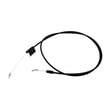
If you are maintaining your current mower, common related parts on this model include the lawn mower zone control cable 532191221 and hardware like the lock nut 532409149.
Why it matters
Choosing the right self-propelled mower reduces fatigue, improves cut quality, and helps you mow more safely, especially on slopes. Our Poulan manual guidance also emphasizes mowing across slopes (not up and down) and disengaging the self-propelled mechanism before starting.
Last updated: February 2026