 Owner’s manual




What is the average lifespan of an LG dishwasher?
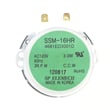
Most LG dishwashers, including the LG LDP7808SS, typically last 10 to 15 years with normal household use. Consistent maintenance (cleaning, correct detergent, and good loading habits) helps you reach the longer end of that range; see the LDP7808SS owner's manual for care and operating guidance.
- Water quality and temperature: hot water supply and mineral buildup impact wash performance and internal wear.
- Routine cleaning: keeping filters and the sump area clean reduces strain on the circulation and drain systems.
- Loading habits: overloading blocks spray arms and forces the pump to work harder.
- Drying settings and rinse aid use: using rinse aid and appropriate dry options improves results and reduces repeat cycles.
- Small leaks or slow drains: fixing them early prevents bigger failures.
- Run the kitchen hot water until it is hot before starting a cycle (helps maintain consistent wash temperature).
- Use rinse aid and adjust the dispenser level if drying is weak.
- Keep the lower spray arm holes clear; replace a damaged arm if it is cracked or warped.
- Clean the tub and filters regularly; remove debris from the sump area.
- Address draining issues promptly; a struggling drain system shortens component life.
| What you notice | Likely area | Typical next step |
|---|---|---|
| Poor cleaning, debris left behind | Spray system, filtration | Clean spray arm holes; inspect/replace spray arm |
| Standing water after cycle | Drain system | Clear blockage; inspect pump and drain path |
| Not filling or fills slowly | Water supply | Check shutoff valve and inlet screen; test inlet valve |
| Won’t start or stops mid-cycle | Door latch or controls | Check door lock engagement; review error codes |
A dishwasher that is maintained well often avoids repeat washes, overheating, and pump strain. Those “extra cycles” add hours to the motor, circulation pump, and drain pump, which is the fastest way to shorten overall lifespan.
Last updated: February 2026
Is it worth fixing an LG dishwasher?
Yes, it’s usually worth fixing an LG dishwasher like model LDP7808SS when the problem is a single, serviceable part (drain, fill, door latch, spray issue) and the tub is in good shape. It’s typically not worth it when multiple major components are failing or the repair cost approaches the price of a replacement.
We use this quick rule of thumb for dishwashers:
- Worth fixing: repair estimate is under ~50% of the cost of a comparable new dishwasher
- Consider replacing: repair estimate is over ~50%, or you’ve had repeated breakdowns
- Also consider replacing: visible tub damage, chronic leaks, or multiple symptoms at once
| Situation | Usually the better choice | Why |
|---|---|---|
| One clear failure (won’t drain, won’t fill, won’t latch) | Repair | Targeted part swap restores normal operation |
| Poor cleaning or drying only | Repair/maintenance first | Often loading, rinse aid, hot water, or spray-path related |
| Control or electrical issues plus other symptoms | Replace more often | Costs add up quickly |
These are frequent, straightforward fixes that can restore performance:
- Not draining: check the drain path; replace the dishwasher drain pump ABQ75742501 if the pump is weak or seized
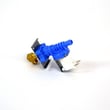
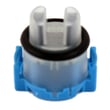
- Not filling: verify water supply; replace the dishwasher water inlet valve 5221DD1001E if it won’t open reliably
- Won’t start: inspect the latch; a failed dishwasher door lock AGM76209501 can prevent operation
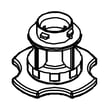
- Not cleaning well: inspect spray arms and circulation; a worn lower arm can be replaced with LG dishwasher spray arm, lower AGB73932401
- Standing water or leaks under the unit: inspect sump area and seals (diagnosis first)
A dishwasher repair makes sense when it restores safe, reliable washing for a reasonable cost. Replacing the right part can extend the life of your LG dishwasher and avoid the disruption of a full replacement and installation.
- Use the LDP7808SS owner’s manual for cycle options, drying tips (rinse aid, High Temp, Extra Dry), and cleaning guidance.
- If you’re seeing an error code, the LG dishwasher error codes guide helps narrow the failure to a system (drain, fill, heater, motor).
Last updated: February 2026
What is the most common problem with the LG dishwasher?
The most common issues we see with LG dishwashers like model LDP7808SS are poor cleaning, not draining, and water-inlet problems. Many of these trace back to restricted water flow, clogged filters/hoses, or a door that is not fully latched; the display may also show an error code.
- Not draining / standing water: drain hose kink/clog, air gap or disposal blockage, or a failing drain pump
- Poor cleaning: clogged filters, blocked spray arm holes, or low incoming water temperature
- Not filling / fills slowly: kinked or clogged water inlet hose, water supply issue, or a failing inlet valve
- Stops mid-cycle: door not fully closed/latched, or a control-related interruption
- Leaks: door seal wear, oversudsing from wrong detergent, or leveling issues
- Cancel the cycle and let the unit drain; then check for standing water in the sump area.
- Inspect the drain hose for kinks, clogs, or freezing; also clear the air gap/disposal if equipped.
- Clean the filters and check spray arms for blocked jets.
- Run the kitchen hot water tap briefly before starting a cycle if the dishwasher is far from the water heater (helps maintain hot water through the wash).
- Use only automatic dishwasher detergent (never liquid dish soap) to prevent oversudsing and leak errors.
For LG model LDP7808SS, error codes often narrow the problem quickly. Use the LDP7808SS manual and our LG dishwasher error codes reference to match the code to the likely cause.
| What you notice | Common direction | Typical next step |
|---|---|---|
| Inlet-related error or no/low fill | Water supply or inlet restriction | Check supply valve, inlet hose, then test/replace inlet valve |
| Drain-related error or water left in tub | Drain path restriction or pump issue | Clear hose/air gap/disposal; inspect pump for blockage |
| AE / leak-related behavior | Water detected in base, oversuds, or leak | Stop use, check for suds, inspect door seal and leveling |
If the basic checks do not fix it, these model-matched parts are common repair paths:
- Dishwasher water inlet valve 5221DD1001E for fill problems
- Dishwasher drain pump ABQ75742501 for drain problems
- Dishwasher door seal 3920DD3002D for door-edge leaks
Dishwashers depend on the right water level, water temperature, and spray pressure. A small restriction (filters, hoses, spray arms) can cause poor cleaning, long cycles, draining errors, or leak protection shut-downs.
Last updated: February 2026





