Owner’s manual
 View engine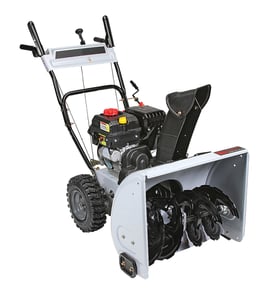




How do I tell what year my snowblower is?
For a Craftsman snow thrower model 536881951, the most reliable way to tell the year is to read the engine manufacture date code stamped on the engine (not the snowblower model number). That code decodes to a specific build date, which tells you the engine’s year and usually closely matches the snowblower’s production timeframe.
Where to find the date code
On most snowblower engines, the manufacture code is stamped or printed on the engine itself. Common places to check:
- Blower housing (recoil starter area)
- Valve cover
- Engine shroud near the spark plug
- A label near the muffler or fuel tank
- A metal tag riveted to the engine
Use the location diagrams and engine identification notes in the 536881951 owner’s manual to help you spot the engine tag and related service information.
How the code typically reads
Many small-engine date codes follow a numeric pattern where the first digits indicate the year, followed by month and day information.
| Example code | What it usually means | What you get |
|---|---|---|
| 99011556 | 99 = year, 01 = month, 15 = day | A specific manufacture date |
| Other formats | Some engines use different digit groupings | Still decodes to a build date |
If your engine uses a different format, match the code style to the engine maker’s decoding method (Briggs & Stratton, Tecumseh, etc.).
If you cannot find a readable engine code
Use these practical alternatives to narrow the year range:
- Check the original sales receipt or service paperwork
- Look for a date stamp on the electric starter components or cord (if equipped)
- Compare your parts to the diagrams and part listings for model 536881951
- Note wear items that commonly get replaced over time (belts, shear pins)
- If the unit will not drive, inspect the belt and friction drive system while you are dating the machine; a worn belt often signals heavy use
For drive system wear items, the snowblower drive belt 1733324SM is a common replacement part for this model.
Why it matters
Knowing the approximate year helps us match the correct parts and service procedures, especially for engine tune-up items, belts, cables, and friction drive adjustments that can vary by production run.
Last updated: January 2026
How many years should a snowblower last?
A Craftsman snow thrower like model 536881951 typically lasts 10 to 20 years with normal residential use and consistent maintenance. The biggest factors are off-season storage, regular oil changes, and replacing normal-wear items such as belts and shear pins on time.
Typical lifespan (what we see most often)
Most gas snowblowers fall into these ranges when they are maintained and stored correctly:
| Snowblower type | Typical lifespan | What usually ends it first |
|---|---|---|
| Gas, homeowner use | 10 to 20 years | Belt wear, friction disc wear, carburetor fuel issues |
| Gas, heavy use | 8 to 15 years | Auger/drive system wear, rust/corrosion |
| Electric (corded/battery) | 5 to 10 years | Motor/electronics, battery aging |
Maintenance that extends life the most
Your 536881951 manual calls out routine engine oil checks and oil changes, plus storage steps that prevent corrosion and fuel-related problems. Use the 536881951 owner's manual as your schedule.
- Check engine oil before starting and about every 5 hours of continuous use
- Change engine oil about every 25 hours or at least once per year
- Keep fasteners tight and inspect moving parts for wear or damage
- Clean the machine after use and touch up chipped paint to limit rust
- Store safely and avoid leaving fuel fumes in enclosed, poorly ventilated areas
Parts that wear out during normal use
Even with great care, some parts are designed to wear and get replaced. For this model, common examples include:
- Drive belts (loss of drive, slipping, squealing)
- Shear pins (auger stops turning after hitting ice or debris)
- Spark plug (hard starting, misfire)
If you are troubleshooting drive problems, the snowblower drive belt 1733324SM is a common wear item on this model.
Why it matters
A snowblower can easily reach the 10 to 20 year mark, but only if wear parts are replaced before they damage pulleys, bearings, or the auger drive system. Following the oil and storage guidance in the manual is the simplest way to protect the engine and prevent expensive repairs.
Last updated: January 2026
What is the most common problem with snow blowers?
The most common problem we see on snow blowers like the Craftsman 536881951 is a no-start or hard-start condition, usually tied to fuel and ignition basics (old gas, a dirty carburetor, or a worn spark plug). The next most common issues are clogged discharge chutes and drive or auger problems caused by shear pins or worn belts.
Quick checks that fix the most problems
- Drain old fuel and refill with fresh unleaded gas (this model’s tank capacity is typically about 3 quarts).
- Inspect and service the spark plug (this model uses Champion RJ19LM or equivalent; gap 0.030 in.).
- If it vibrates abnormally or you hit an object, stop the engine and inspect for damage before restarting.
- If snow will not discharge, check auger control cable adjustment, then inspect the auger drive belt.
- Keep spare shear pins on hand; they are designed to break to protect the auger when something jams.
Most common symptoms and what they usually mean
| Symptom | Most likely cause | What to do first |
|---|---|---|
| Engine will not start | Stale fuel, spark plug issue | Fresh fuel; check spark plug condition and gap |
| Runs but will not throw snow | Auger cable out of adjustment, auger belt worn | Check cable adjustment; inspect belt |
| Auger stops suddenly after hitting something | Shear pins broken (normal protection) | Replace shear pins and spacers |
| Wheels do not pull well | Traction drive belt slipping | Replace the traction belt if it slips |
Parts that commonly wear on this model
If you confirm a belt is worn, cracked, glazed, or stretched, replacement is the reliable fix.
- Snowblower drive belt 1733324SM (ground drive, affects wheel movement)
- Snowblower gas belt 585416MA (auger drive, affects snow discharge)
- Shear pins (keep spares available for mid-storm fixes)
Why it matters
Most “snowblower problems” start as simple maintenance issues. Fixing fuel quality, spark, and belt or shear-pin wear early prevents mid-use jams, poor throwing distance, and unsafe clearing attempts near moving parts.
For model-specific operating and safety steps (including stopping the engine before unclogging the chute and disconnecting the spark plug wire before service), follow the 536881951 owner’s manual.
Last updated: January 2026
Is it cheaper to repair or replace a snowblower?
For the Craftsman snow thrower model 536881951, it’s usually cheaper to repair when the problem is a common wear item (belt, cable adjustment, shear pins, chute clog) and the machine is otherwise solid. Replacement makes more sense when repair costs approach about half the price of a comparable new snowblower or the unit has repeated major failures.
Quick way to decide (repair vs replace)
Use this checklist first; it matches the most common, fixable issues called out in the 536881951 documentation.
- Repair when the issue is a wear part: traction/auger belt, shear pins, cable adjustment
- Repair when symptoms are isolated: won’t propel, won’t discharge snow, chute clogs
- Replace when the frame/auger housing is badly rusted or structurally damaged
- Replace when the engine has persistent power loss or runs erratically even after fuel system service
- Replace when you have repeated breakdowns season after season (multiple systems failing)
Typical repair triggers on this model
The manual’s troubleshooting points to several problems that are usually repairable and relatively low-cost compared to replacement.
| Symptom | Common cause | Typical fix type |
|---|---|---|
| Won’t propel itself | Traction drive belt loose/damaged; traction cable out of adjustment; worn friction wheel | Belt replacement or adjustment; friction wheel service |
| Won’t discharge snow | Auger drive belt loose/damaged; auger cable out of adjustment; shear bolt broken; chute clogged | Belt/cable adjustment; shear pin replacement; clearing obstruction |
| Excessive vibration | Loose parts or damaged impeller; foreign object lodged | Tighten/repair; remove obstruction |
Parts that often make repair the better value
If your Craftsman 536881951 needs one of these, repair is typically the economical choice.
- Snowblower drive belt 1733324SM (ground drive/propel issues)
- Snowblower gas belt 585416MA (auger engagement and snow discharge issues)
- Kit shearbol 1501227MA (auger stops after hitting ice chunks, debris, or a foreign object)
Why it matters
A snowblower that won’t propel or won’t throw snow often just needs a belt replacement and cable adjustment, which restores performance without the cost of a new machine. The manual also stresses safe shutdown steps (stop engine, remove key, disconnect spark plug wire) before clearing clogs or servicing moving parts, which prevents injury and avoids accidental starting.
For model-specific procedures like belt replacement and follow-up cable adjustments, use the 536881951 owner’s manual.
Last updated: January 2026