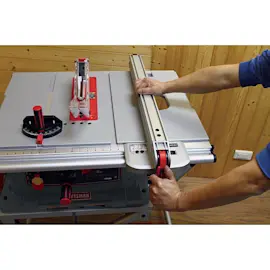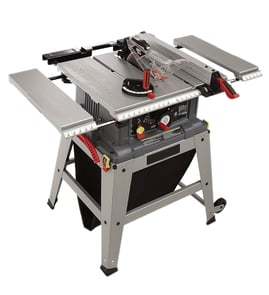

Can I add 17132066 to any table saw?
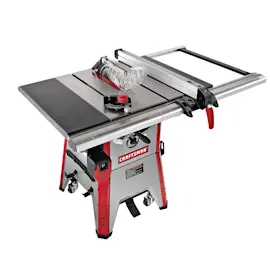
No. Craftsman model 17132066 is a model number for a specific Craftsman saw system, not a universal accessory you can add to another table saw. To use 17132066 parts, your tool’s ID label must show 17132066 so the mounting points, guards, and electrical components match.
What 17132066 means for compatibility
Model-specific parts and assemblies are built around one platform. Even if two saws look similar, the following usually differ:
- Arbor and guard mounting geometry
- Switch housing and wiring connectors
- Table, fence, and rail hole patterns
- Blade guard and dust collection interfaces
- Motor and drive layout
How to confirm you have the right model
Check the model tag on the saw (commonly on the base, frame, or near the motor area) and match it exactly.
- Match the full model number: 17132066
- Use the same brand family: Craftsman
- Compare key assemblies (guard, fence/rails, switch) before ordering
Quick fit check (before ordering parts)
| Check | What must match | Why it matters |
|---|---|---|
| Model number | 17132066 | Ensures diagrams and parts lists apply |
| Mounting pattern | Exact | Prevents misalignment and unsafe installs |
| Electrical connectors | Same style | Avoids incorrect wiring and switch issues |
| Guarding interface | Same | Keeps blade guarding functional |
Why it matters
Using parts from a different model can create poor alignment, incomplete guarding, or unsafe electrical connections. Matching the exact model number keeps the saw accurate and helps prevent kickback and binding.
For help locating the model tag and understanding why it matters for parts, use how to find your appliance model number (and what it means for parts).
Last updated: February 2026
How do I find the model number on my 17132066?
On a Craftsman 17132066 sliding miter saw system, the model number is printed on the rating label. We typically see it on the base/frame, near the motor housing, or on the rear of the saw where it stays visible but protected.
Where to look on the saw
- On the base casting near the turntable or fence
- On the rear frame behind the rails (sliding models)
- Near the motor housing or handle area
- Under a flip-up cover or near the power cord entry point
- Occasionally on the stand/mounting bracket if the saw is part of a system
What the label looks like
| Label item | Example you should see | Why it matters |
|---|---|---|
| Model number | 17132066 | Ensures diagrams and parts match your exact saw |
| Serial number | Letters/numbers | Helps identify production run details |
| Electrical rating | Volts/amps/Hz | Helps confirm correct power supply and cord sizing |
Tips if the label is hard to read
- Wipe dust off with a dry cloth; avoid soaking the label.
- Use a flashlight at an angle to make faint printing stand out.
- Take a close-up photo and zoom in.
- If the label is missing, check the original packaging or paperwork.
Why it matters
Craftsman model numbers can look similar across different saw platforms; using 17132066 prevents ordering the wrong parts or following the wrong adjustment procedure.
For a visual walkthrough on locating model numbers, use [how to find your appliance model number (and what it means for parts)].
Last updated: March 2026
What is the average lifespan of 17132066?
A Craftsman 17132066 sliding miter saw system typically lasts 10 to 15 years with normal DIY use and basic maintenance. Heavy jobsite use, frequent transport, and cutting abrasive materials can shorten life; clean operation and correct blade setup extend it.
What affects lifespan most
- Blade condition and alignment (a dull or wobbling blade overworks the motor)
- Dust buildup in the guard, base, and motor vents
- Brush and bearing wear (common on saw motors over time)
- Fence and rail wear (slop increases vibration and strain)
- Power quality (long, undersized extension cords cause low voltage and heat)
Maintenance that adds years
- Unplug the saw; blow out dust from vents and moving joints after big projects.
- Keep rails and pivots clean; use a dry lubricant where appropriate (avoid oily buildup).
- Verify fence squareness and bevel/miter stops periodically.
- Use the right blade for the material (fine-tooth for trim, carbide for hardwood).
- Replace worn cords, switches, or brushes promptly to prevent overheating.
Quick “replace vs. repair” guide
| Symptom | Most likely issue | Best next step |
|---|---|---|
| Motor runs hot, bogs down | Dull blade, low voltage, dust-clogged vents | Start with blade and power cord/extension cord check |
| Excess vibration | Bent blade, loose arbor hardware, worn bearings | Inspect blade and tighten fasteners; then evaluate bearings |
| Inaccurate cuts | Fence/stop misalignment, rail play | Recalibrate and check for worn pivots/rails |
Why it matters
A saw that is overheating, vibrating, or cutting out of square is not just frustrating; it accelerates wear on the motor, bearings, and alignment points, which shortens the service life of your 17132066.
For general DIY safety practices before servicing a power tool, review [are diy appliance repairs safe].
Last updated: March 2026