
What is the life expectancy of a wall heater?
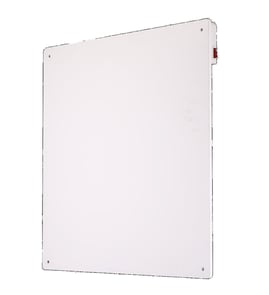
Most wall heaters (including Williams wall furnaces like model 35GV-5T) typically last 15 to 20 years. Lifespan depends most on burner cleanliness, venting/combustion air, and how often the heater cycles; consistent annual maintenance usually delivers the longest service life.
Typical lifespan ranges
Wall heaters tend to fall into these real-world ranges:
- 15 to 20 years: common for many properly maintained wall furnaces
- 10 to 15 years: more likely with heavy use, dust buildup, or poor combustion/venting conditions
- 20+ years: possible when the heat exchanger stays clean, the gas valve and thermostat operate smoothly, and the unit is serviced regularly
| Condition | What you’ll usually see | Expected outcome |
|---|---|---|
| Clean burner and stable flame | Quiet, steady heat | Longer life |
| Dusty burner or restricted airflow | Sooting, odors, frequent cycling | Shorter life |
| Inconsistent ignition or control issues | Delayed ignition, nuisance shutdowns | Earlier repair or replacement |
Maintenance that extends wall heater life
We recommend these habits to help a Williams wall heater reach the upper end of its lifespan:
- Vacuum dust from the front grille and surrounding area regularly (power off and unit cool)
- Keep furniture, rugs, and drapes clear of the heater to prevent overheating and airflow restriction
- Have a qualified technician perform annual service (burner cleaning, combustion check, safety inspection)
- Replace damaged wiring or loose connections promptly (intermittent power can damage controls)
- Confirm the venting path (if vented) stays unobstructed and properly connected
For DIY electrical checks that support safe troubleshooting, use how to use a multimeter to test electrical parts video.
Signs replacement is due (not just a repair)
Plan for replacement when you notice any of the following patterns:
- Heat output is consistently weak even after cleaning and service
- Frequent shutdowns or repeated ignition failures over a season
- Rising repair frequency (multiple components failing within a year)
- Persistent soot or recurring burner contamination soon after cleaning
Why it matters
A wall heater near end-of-life often becomes less reliable and more expensive to keep running. Knowing the typical 15 to 20 year window helps you decide whether to invest in repairs, schedule preventive service, or plan a replacement before a no-heat situation.
Last updated: February 2026
What to do when a wall heater is not working?
If your Williams wall furnace model 35GV-5T is not working, start by confirming the thermostat is calling for heat and that the unit has power (if it uses a blower/controls). Then check for a tripped breaker, a blown fuse, loose wiring, or a failed control or safety switch.
Safety first (gas wall heater basics)
Before troubleshooting, shut off electrical power to the heater (if equipped) and set the thermostat to OFF. If you ever smell gas, stop and have a qualified technician inspect the heater.
Quick checks that solve most “no heat” complaints
- Make sure the thermostat is set to HEAT and above room temperature.
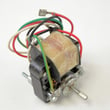
- Check the home electrical panel for a tripped breaker (many wall furnaces use electricity for the blower or controls).
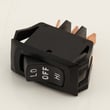
- Inspect the heater’s power switch (if your installation has one) and any nearby service switch.
- Look for loose, burned, or disconnected wires at the thermostat and heater terminals.
- If the heater has a pilot or ignition system, confirm it is operating correctly (pilot lit or igniter sparking, depending on version).
Electrical troubleshooting (common, fast tests)
Use a multimeter to confirm power and continuity on key circuits.
- Test for a blown fuse and replace it if needed using the same rating.
- Check for continuity through safety devices (limit switch, rollout switch) if accessible.
- Verify the thermostat is closing the circuit when calling for heat.
Helpful DIY references:
- How to tell if a fuse is blown
- How to use a multimeter to test electrical parts video
- How to repair broken or damaged wires video
What the symptoms usually mean
| Symptom | Most common causes | What to check first |
|---|---|---|
| Nothing happens at all | No power, open fuse, bad thermostat, loose wiring | Breaker/fuse, thermostat setting, wiring connections |
| Blower runs but no heat | Gas/ignition issue, safety switch open | Ignition/pilot behavior, limit/rollout switches |
| Heater starts then shuts off | Overheating, airflow restriction, weak safety switch | Airflow path, limit switch, dust buildup |
Why it matters
A wall heater that will not run is often a simple power, thermostat, or wiring issue, but repeated shutdowns can point to overheating or a safety device opening. Fixing the root cause helps restore reliable heat and prevents nuisance trips.
Last updated: February 2026
Why does the pilot light keep going out on my wall heater?
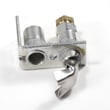
On a Williams wall furnace model 35GV-5T, a pilot that won’t stay lit is usually caused by a weak or dirty flame, a failing thermocouple/thermopile (flame sensor), or an issue in the pilot/venting system that prevents the safety gas valve from staying open.
Most common causes (and what to check first)
- Dirty pilot orifice or pilot assembly: lint, dust, or soot reduces flame strength.
- Thermocouple or thermopile problem: the sensor is worn out, loose, or not being heated by the pilot flame.
- Pilot flame not hitting the sensor correctly: misalignment after cleaning or bumping the burner area.
- Downdraft or poor combustion air: drafts can blow the pilot off the sensor or cool it.
- Gas supply issue: low inlet pressure, partially closed shutoff valve, or debris in the pilot feed.
Quick troubleshooting steps (safe, practical checks)
- Confirm the pilot flame looks strong and steady: it should be mostly blue and should wrap the thermocouple/thermopile tip.
- Clean the pilot area: with the heater off and cool, gently remove dust and lint around the pilot and burner compartment.
- Check sensor positioning: the thermocouple/thermopile tip must sit directly in the hottest part of the pilot flame.
- Inspect the connection at the gas valve: a loose thermocouple nut can cause intermittent dropout.
- Rule out drafts: close nearby doors/windows briefly and see if pilot stability improves.
Testing the flame-sensing parts
If the pilot lights but drops out when you release the knob, the thermocouple/thermopile circuit is the first place to focus.
| What you observe | Most likely issue | Typical fix |
|---|---|---|
| Pilot goes out as soon as you release the knob | Weak thermocouple/thermopile signal | Clean, tighten connection, then replace sensor if needed |
| Pilot stays lit sometimes, fails other times | Loose connection, draft, or failing sensor | Reposition, reduce drafts, replace sensor |
| Pilot flame is small/yellow | Dirty pilot orifice or air/fuel issue | Clean pilot assembly, check for lint/soot |
For electrical-style checks on any heater wiring or safety switches, we use a meter and follow standard testing practices like in how to use a multimeter to test electrical parts video.
Why it matters
A stable pilot flame is what allows the safety system to keep the gas valve open. When the flame sensor does not heat properly (or the flame is unstable), the heater shuts gas off to prevent unsafe operation.
Last updated: February 2026
Where is the reset button on a wall heater?
Most wall heaters, including many Williams wall furnaces like model 35GV-5T, do not have a front-facing reset button. If your heater has a manual reset, it is usually a small button on a safety limit or rollout switch inside the cabinet behind the front panel.
Where to look (Williams 35GV-5T)
After the heater cools, remove the front cover and look in the burner area for safety switches.
- Turn the thermostat OFF and let the unit cool completely
- Remove the front panel or grille to access the burner compartment
- Look for a high-limit switch near the heat exchanger area
- Look for a rollout switch near the burner opening
- If present, the manual reset is often a small red button on the switch
If you do not see a reset button
Many wall furnaces use automatic-reset limits. In that case, the heater restarts after it cools and the thermostat calls for heat again.
| What you find | What it means | What to do |
|---|---|---|
| Red button on a safety switch | Manual-reset limit/rollout | Press once after cooling, then run and monitor |
| Safety switch with no button | Auto-reset limit | Let it cool; cycle thermostat OFF then ON |
| No obvious safety switch access | Reset is not user-facing | Stop and have it checked if it keeps shutting down |
Why it matters
A tripped limit or rollout switch means the heater detected overheating or unsafe burner conditions. Resetting without fixing the cause leads to repeat shutdowns.
- Keep the front grille and louvers clear of rugs, furniture, and dust
- Make sure room air can circulate freely around the heater
- If it trips again quickly, stop using the heater and have it inspected
For diagrams and part lookup by model number, use Sears PartsDirect.
Last updated: February 2026