Owner’s manual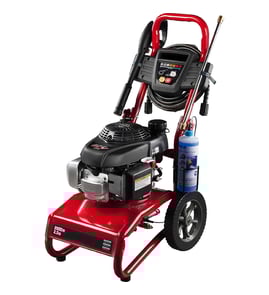




What PSI should my pressure washer be?
For a Craftsman pressure washer like model 580752830, the “right” PSI depends on what you’re cleaning: most homeowner jobs are best handled in the 1,300 to 2,800 PSI range, using the correct spray tip and technique. For model-specific operating guidance, use the 580752830 owner's manual.
- Cars, patio furniture, grills: 1,200 to 1,900 PSI
- Wood decks, fences (use care): 1,500 to 2,500 PSI
- Vinyl siding: 1,300 to 2,500 PSI (wider fan tip, keep distance)
- Concrete driveways, sidewalks: 2,500 to 3,200 PSI
- Heavy stains (oil, deep mildew): 2,800 to 3,500 PSI (often needs detergent and dwell time)
PSI is only half the story; GPM (gallons per minute) affects rinsing speed and how fast you can move.
| What you want | Prioritize | Why |
|---|---|---|
| Avoid damage on paint or wood | Lower PSI + wider tip | Reduces etching and splintering |
| Faster cleaning on large areas | Higher GPM | Moves more water and lifts debris faster |
| Better detergent application | Low-pressure soap mode | Lets the injector draw chemical properly |
These checks fix most “pressure” complaints before parts replacement:
- Use the correct nozzle; a worn or wrong tip drops pressure fast.
- Confirm full water supply (no kinked garden hose, fully open spigot).
- Purge air from the pump before starting.
- Clean the inlet screen/filter at the water connection.
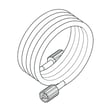
- Inspect for leaks or bulges in the high-pressure line; replace a damaged hose with the pressure washer hose 84006753.
Using more PSI than the surface can handle can gouge wood, strip paint, and force water behind siding. Matching PSI to the job (and keeping proper distance) cleans faster and protects your pump, hose, and spray gun.
Last updated: January 2026
Is it worth repairing a pressure washer?
Yes, repairing a Craftsman pressure washer like model 580752830 is worth it when the problem is a wear item or a simple leak and the total repair cost stays well below the cost of a comparable replacement; if the pump or engine has major internal damage, replacement is usually the better value.
- Repair if the issue is a clogged spray tip, worn O-ring, loose fitting, or a small hose leak
- Repair if the engine runs well and pressure loss is isolated to the water side (hose, injector, fittings)
- Repair if the unit is otherwise in good shape (frame, wheels, handle, no severe corrosion)
- Replace if the pump is cracked, seized, or won’t build pressure after basic checks
- Replace if the engine has low compression, heavy smoking, or repeated no-start problems
- Replace if multiple major components need work at the same time
Use this as a practical rule for a gas pressure washer like the 580752830.
| Situation | Usually makes sense to | Why |
|---|---|---|
| Small leak, worn hose, injector issue | Repair | Low parts cost, fast DIY fix |
| Intermittent pressure, likely unloader or check valve issue | Repair | Common service items restore performance |
| Pump failure or major engine problem | Replace | High labor and parts cost relative to a new unit |
If your 580752830 is losing pressure or leaking at the connection points, these common replacement items can be good value:
- Pressure washer hose 84006753 (water delivery to the spray gun)
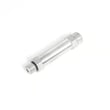
- Pressure washer chemical injector hose 705076 (soap draw and chemical injection)
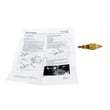
- Craftsman 580752830 manual (model-specific diagrams, safety steps, and maintenance intervals)
A pressure washer’s “value” is mostly in the engine and pump. Fixing external water-path parts (hose, injector hose, fittings) often restores full performance for far less than replacing the machine.
Last updated: January 2026
What kind of gas goes in a Craftsman 3000 PSI pressure washer?
For the Craftsman pressure washer model 580752830, use clean, fresh unleaded gasoline with a minimum 87 octane (87 AKI) rating. Avoid old fuel and don’t mix oil into the gas (this model uses a separate engine oil fill).
- Use fresh unleaded gasoline (buy what you’ll use within about 30 days)
- Minimum 87 octane (87 AKI); higher octane is fine but not required
- Use fuel from a clean container to prevent dirt and water contamination
- Add fuel stabilizer if the pressure washer will sit unused for more than a few weeks
- Wipe up spills and let fumes clear before starting the engine
| Fuel type | Use it? | Why |
|---|---|---|
| Unleaded 87 octane (87 AKI) | Yes | Correct baseline fuel for most small gas engines |
| Unleaded 89 to 93 octane | Yes | Acceptable; no performance gain required |
| E15 or higher ethanol blends | No | Increases risk of hard starting and fuel system issues |
| Old or stale gasoline | No | Causes surging, no-start, and poor power |
These checks fix most “engine losing power” and surging complaints on gas pressure washers:
- Drain and replace old fuel; refill with fresh 87 octane
- Confirm the fuel shutoff valve is fully open (if equipped)
- Check the spray tip for blockage and verify water supply flow is strong
- Inspect the chemical injector line for air leaks or restrictions
- Make sure the high-pressure hose is not kinked; replace if damaged using the pressure washer hose 84006753
Correct fuel helps the engine maintain steady RPM under load, which keeps pump pressure stable and reduces carburetor varnish, hard starting, and premature fuel system wear. For model-specific fueling and storage steps, follow the 580752830 manual.
Last updated: January 2026