Owner’s manual
 Error Codes


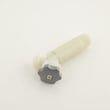
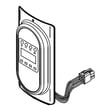
Can you replace parts on a water heater?
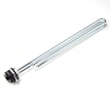
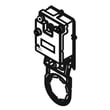
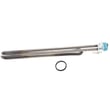
Yes. On the Whirlpool ES50R123-45D electric water heater, we can replace several service parts (such as the electronic thermostat, sensors, drain valve, and anode rod) to restore performance and extend service life. Tank leaks or severe internal corrosion are different; those typically point to replacing the heater.
Parts you can commonly replace on this model
These are typical repairable items for the ES50R123-45D; we recommend following the safety steps and procedures in the ES50R123-45D use & care manual.
- Control and temperature regulation components (thermostat, sensors)
- Corrosion protection parts (anode rod)
- Drain components (drain valve)
- Access panels and covers (for safe reassembly after service)
- Wiring harnesses for features such as Smart Grid (when equipped)
Safety steps we recommend before any repair
Electric water heaters can cause shock, burns, and scalding. Before you touch wiring or open access covers:
- Turn OFF the circuit breaker and verify power is off
- Shut OFF the cold water supply valve (when draining or opening the tank)
- Open a hot water faucet to relieve pressure and confirm water is not scalding
- Drain the tank to a safe level if you are removing an element or anode rod
- Reinstall insulation and access covers before restoring power
Quick “repair vs. replace” guide
If you are deciding whether a part replacement makes sense, this is a practical way to think about it:
| What you find | What it usually means | Typical next step |
|---|---|---|
| No hot water or inconsistent temperature | Control issue, sensor issue, or element circuit problem | Diagnose; consider water heater electronic thermostat 100309396 or sensor-related checks |
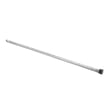
| Rotten egg odor or accelerated corrosion symptoms | Anode rod depleted or reacting with water chemistry | Inspect and replace water heater anode rod 100109594 |
| Water at the drain connection or hard-to-drain tank | Drain valve worn or clogged with sediment | Replace drain valve 100109106 |
| Water leaking from the tank body or seams | Tank failure | Replace the water heater (parts will not stop a tank leak) |
Why it matters
Replacing the right part can restore safe water temperature control, reduce nuisance issues (odor, sediment problems), and help prevent premature tank damage. On the ES50R123-45D, routine maintenance like flushing and anode rod inspection is especially important for long-term reliability.
Last updated: January 2026
How much should it cost to replace a 50-gallon electric water heater?
Replacing a 50-gallon electric water heater like the Whirlpool ES50R123-45D typically costs $700 to $2,500 installed. Your total depends on whether it is a straightforward swap or the installer must add code-required items such as a thermal expansion tank (closed systems) or update the T&P relief valve discharge piping.
What the ES50R123-45D installation requirements can add
The ES50R123-45D manual calls out several items that often affect replacement pricing. We recommend reviewing the requirements in the ES50R123-45D installation instructions and use & care guide before you accept a quote.
- Thermal expansion control (closed systems): a properly sized expansion tank is recommended when a PRV or other closed-system condition exists.
- T&P relief valve and discharge line: must be installed correctly; the discharge line has specific routing rules (no cap/plug/valve, proper termination).
- Mixing valve (recommended in some installs): shown set to 120°F to reduce scald risk.
- Electrical requirements: correct breaker protection, grounding, and proper wire sizing.
- Drain pan and drain routing: often needed when leakage could damage surrounding areas.
Typical cost breakdown (installed)
- Water heater unit: $500 to $1,200
- Labor (remove and replace): $200 to $600
- Materials and upgrades: $0 to $700+
- Permit/inspection: varies by area
Quick comparison table
| Scenario | What is typically included | Typical total |
|---|---|---|
| Basic replacement | Like-for-like swap, minimal changes | $700 to $1,500 |
| Moderate updates | Add expansion tank or update relief discharge, permit | $1,200 to $2,000 |
| Complex install | Multiple plumbing and electrical corrections, relocation | $1,800 to $2,500+ |
Why it matters
A quote that includes the expansion tank (when needed), correct T&P relief valve discharge piping, and proper electrical grounding helps prevent nuisance leaking at the relief valve, scald risk, and premature tank problems.
Last updated: January 2026
What are the three most important parts of a water heater?
For the Whirlpool ES50R123-45D electric water heater, the three most important parts for safe, reliable hot water are the heating system (elements and controls), the anode rod, and the temperature and pressure (T&P) relief valve. These protect the tank, heat the water, and prevent dangerous overpressure.
The 3 key parts and what they do
- Heating system (elements + thermostat/control): heats the water and maintains your set temperature.
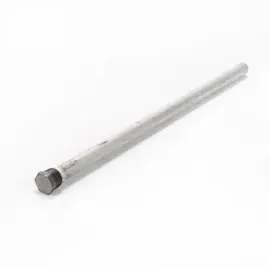
- Anode rod: sacrifices itself to slow tank corrosion and extend tank life.
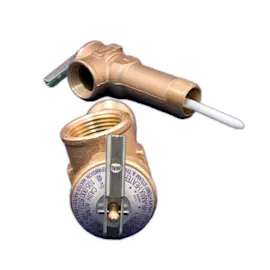
- T&P relief valve: opens to relieve excessive temperature/pressure so the tank does not become over-pressurized.
For model-specific locations, operating modes, and maintenance intervals, use the ES50R123-45D use & care manual.
Quick reference table
| Part | Primary job | Common “something’s wrong” clue |
|---|---|---|
| Heating system (elements + controls) | Heat water and regulate temperature | No hot water, slow recovery, water too hot/cold |
| Anode rod | Protect tank from corrosion | Rotten-egg odor, accelerated corrosion, early tank issues |
| T&P relief valve | Safety pressure/temperature release | Dripping/discharge from the valve or discharge pipe |
Model-relevant parts we stock for ES50R123-45D
If you’re diagnosing a heating or corrosion issue on this Whirlpool model, these are common service parts:
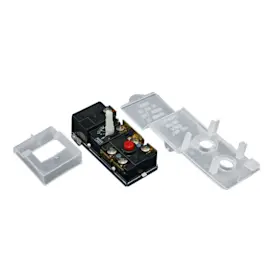
- Water heater electronic thermostat 100309396 (controls temperature and element switching)
- Water heater anode rod 100109594 (corrosion protection)
Why it matters
These three components cover the big risks and performance issues: hot water production, tank longevity, and safety. Keeping them in good shape helps prevent nuisance problems like lukewarm water and helps avoid premature tank failure.
Last updated: January 2026
What fails on an electric water heater?
On the Whirlpool ES50R123-45D electric water heater, the most common failures are in the heating and control system (heating elements, thermostat/control, sensors) or in basic maintenance items (sediment buildup, anode rod depletion). Use the troubleshooting and wiring guidance in the ES50R123-45D use & care manual to narrow the cause safely.
Most common failures (and what you usually notice)
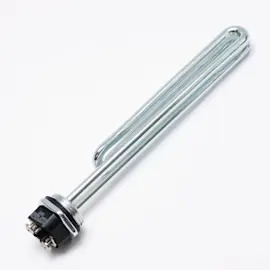
- Heating element failure: water goes lukewarm, runs out fast, or never fully heats.
- Control/thermostat problems: inconsistent temperatures, no heat, or overheating shutoff.
- Temperature sensor (thermistor) issues: error codes, temperature swings, or heating that stops unexpectedly.
- Sediment buildup in the tank: popping/rumbling noises, reduced hot water output, element damage over time.
- Anode rod depletion: rotten-egg odor, accelerated tank corrosion risk.
- Drain valve leaks or clogging: water in the drain pan area, hard-to-flush tank.
Model-specific parts that commonly solve “no hot water” symptoms
If troubleshooting points to a failed control or sensor on this ES50R123-45D, these are common replacements:
- Water heater electronic thermostat 100309396
- Water heater high-temperature sensor 100263932
- Water heater anode rod 100109594
Quick triage checklist (safe, high-value checks)
- Confirm the double-pole breaker is on and not tripped.
- If the unit displays an error, match it using Whirlpool electric water heater error codes.
- Listen for rumbling/popping (often sediment).
- Check for water around the base/drain pan (leaks or drain valve issues).
- If you recently drained the tank, never re-energize until the tank is completely full (dry-firing can destroy elements).
Symptoms-to-likely-cause table
| Symptom | Likely cause | Typical next step |
|---|---|---|
| No hot water | Power issue, control/thermostat fault, sensor fault | Check breaker, then diagnostics/error codes |
| Hot water runs out fast | One element not heating, heavy sediment | Test elements; flush tank |
| Water too hot | Control/thermostat stuck, sensor issue | Verify settings; check for fault codes |
| Odor (rotten egg) | Anode rod reaction/depletion | Inspect/replace anode rod |
Why it matters
Catching element, sensor, or anode rod problems early helps prevent repeat no-hot-water complaints, nuisance shutdowns, and premature tank damage from corrosion or sediment.
Last updated: January 2026
What is the average labor cost to install an electric water heater?
Labor to install a Whirlpool ES50R123-45D electric water heater is not something we can identify from model-specific information because labor pricing is set by local contractors and site conditions. In most areas, homeowners commonly see labor-only quotes in the $500 to $1,200 range for a straightforward electric tank replacement.
What affects labor time and price for ES50R123-45D installs
Your installer may need to add or update items that are called out in the ES50R123-45D installation instructions and use & care guide. Those requirements can change the scope of work.
Common cost drivers include:
- Electrical updates (dedicated 240V circuit, breaker, grounding, conduit)
- Wire sizing requirements (the guide specifies 10 gauge solid copper wire)
- Adding or correcting the T&P relief valve discharge line routing
- Closed-system protection (thermal expansion tank when a PRV/check valve is present)
- Drain pan and drain piping (when required by local code or location)
- Difficult access, removal, and haul-away of the old tank
Typical labor-only ranges (general guidance)
| Install situation | Typical labor-only range | What it usually means |
|---|---|---|
| Straight swap, easy access | $500 to $800 | Minimal plumbing and electrical changes |
| Standard replacement | $800 to $1,200 | Common code updates and minor rework |
| Complex job | $1,200 to $2,500+ | Relocation, panel work, long runs, tight access |
How to get accurate quotes
Bring these details to each contractor so bids are comparable:
- Tank location and access (garage, closet, attic, basement)
- Whether a PRV/check valve is installed (closed system)
- Where the T&P discharge line terminates (drain, exterior, etc.)
- Electrical circuit details (breaker size, wire gauge, grounding)
Why it matters
Correct installation helps prevent nuisance issues like a dripping relief valve, overheating, or premature tank problems; it also helps ensure the heater meets electrical and plumbing safety requirements.
Last updated: January 2026
What is the life expectancy of a 50-gallon electric water heater?
A 50-gallon electric water heater typically lasts 10 to 15 years. For a Whirlpool ES50R123-45D, lifespan is most affected by water quality, temperature setting, and maintenance such as flushing sediment and inspecting the anode rod per the ES50R123-45D use & care manual.
What affects lifespan the most
- Hard water and sediment buildup; accelerates tank wear and can overwork heating elements
- High temperature settings; increases scale and corrosion risk
- Anode rod condition; a depleted rod allows the tank to corrode faster
- Closed plumbing systems; thermal expansion can stress the tank and fittings
- Maintenance frequency; regular draining and flushing helps reduce sediment
Signs it may be nearing end of life
- Rusty or discolored hot water
- Water in the drain pan or visible tank seepage
- Rumbling or popping sounds during heat-up (often sediment)
- Inconsistent hot water temperature or long recovery times
- Frequent electrical or control issues (thermostat/sensor related)
Maintenance that helps you reach the full 10 to 15 years
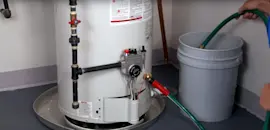
The ES50R123-45D manual recommends draining and flushing about every 6 months and inspecting the anode rod within 3 years, then annually after that.
- Flush the tank to remove sediment
- Test the temperature and pressure (T&P) relief valve yearly
- Keep the set temperature around 120°F for a good balance of comfort and reduced wear
- Inspect and replace the anode rod when depleted; see water heater anode rod 100109594
Quick reference: what to do and when
| Item | Typical interval | Why it matters |
|---|---|---|
| Drain and flush tank | Every 6 months | Reduces sediment that can shorten tank life |
| Inspect anode rod | By year 3, then yearly | Protects the glass-lined tank from corrosion |
| Test T&P relief valve | Yearly | Helps prevent unsafe pressure/temperature conditions |
Why it matters
Once the tank itself corrodes through, it usually means replacement time. Staying on top of sediment removal and anode rod checks is the most practical way to extend service life and avoid surprise leaks.
Last updated: January 2026
Why is my whirlpool water heater not heating?
If your Whirlpool ES50R123-45D electric water heater isn’t heating, the most common causes are loss of 240V power, the control being set to Vacation/low temperature, a tripped high-limit safety (ECO), or a failed thermostat, sensor, or heating element. Start with the checks in the ES50R123-45D use & care manual.
Quick checks you can do first
- Reset the double-pole breaker: switch fully OFF, then ON.
- Confirm the tank is completely full of water before power is on (dry-fire protection can stop heating).
- Check the display for an E-code or alert icon; write it down.
- Verify the set temperature is not turned down and it is not in Vacation mode.
- If you hear heavy popping/rumbling, plan a drain and flush to remove sediment.
ES50R123-45D controls and diagnostics
This model uses an Energy Smart module and an electronic thermostat system; a fault code often points to the failed area.
- Use Whirlpool electric water heater error codes to interpret the code and next steps.
- If the heater has power but won’t energize elements, the thermostat/control may be suspect: water heater electronic thermostat 100309396.
- If you see overheat behavior or sensor-related codes, a thermistor may be involved: water heater high-temperature sensor 100263932.
Symptom guide
| What you notice | Likely cause | What to check next |
|---|---|---|
| No hot water at all | Breaker/power issue, control fault, ECO trip | Breaker reset, error code, ECO reset steps in manual |
| Some hot water then cold | Lower element not heating or sediment | Flush tank, test element continuity (qualified) |
| Error code on display | Sensor/control/thermistor issue | Match code, inspect wiring connections |
Why it matters
No-heat problems can be simple (breaker or settings) or safety-related (dry-fire or ECO). Correct diagnosis helps restore hot water and prevents repeat shutdowns or element damage.
Last updated: January 2026