 Error Codes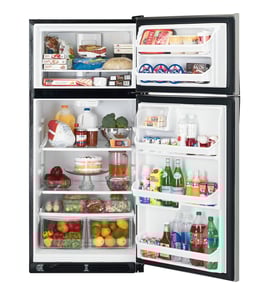




Can I look up Frigidaire parts by model number?
Yes. For your Frigidaire refrigerator model FFHT1814WB1, we look up the exact replacement parts by entering the full model number and then matching the part from the model-specific parts list and diagrams, so the part fits and connects correctly.
How to find the model number and use it
- Check the model tag inside the fresh food compartment (often on a side wall) or near the crisper area.
- Enter the model number exactly as shown: FFHT1814WB1.
- Use the model’s parts list to narrow by section (cooling system, doors, shelves, lighting).
- Match by part name and part ID, not just a similar-looking photo.
- If your refrigerator has a serial number nearby, keep it handy for confirming revisions.
Examples of parts you can match to FFHT1814WB1
If you already know what is failing, these are common part types available for this model:
| Symptom or need | Part type to check | Example part on this model |
|---|---|---|
| Warm temperatures or erratic cooling | Temperature sensor (thermistor) | Electrolux refrigerator temperature sensor 5303918645 |
| No interior light | Light bulb | Refrigerator light bulb 5304522314 |
| Door not sealing, moisture, frost | Door gasket | Refrigerator door gasket 5304528905 |
Why it matters
Using the full model number prevents ordering a “close match” that does not fit your wiring harness, control board housing, or door configuration. That saves time and avoids repeat repairs.
Related DIY help
- Use Frigidaire refrigerator error codes if your FFHT1814WB1 is displaying an error or acting like it is in a fault mode.
Last updated: February 2026
What is the most common problem with Frigidaire refrigerators?
The most common problem we see with Frigidaire refrigerators like model FFHT1814WB1 is a cooling complaint: the fresh food section gets warm, temperatures swing, or frost builds up in the freezer. The most frequent causes are airflow restrictions, a weak evaporator fan, or a door seal that is leaking air.
Most common symptoms (what you will notice)
- Refrigerator section is warm but freezer seems OK
- Freezer has heavy frost or ice buildup on the back wall
- Food freezes in the refrigerator section
- Compressor runs a lot, or you hear frequent cycling
- Moisture, condensation, or sweating around the door opening
Quick checks we recommend first
- Confirm airflow: Make sure vents in the freezer and refrigerator are not blocked by food packages.
- Check the door seal: Close a sheet of paper in the door; if it slides out easily, the gasket may not be sealing.
- Listen for the evaporator fan: When the compressor is running, you should typically hear a steady fan sound from the freezer area.
- Verify temperature control behavior: If temperatures swing widely, a sensor or control issue is common.
Parts that commonly fix cooling and temperature complaints
If your symptoms match, these are frequent repair paths for FFHT1814WB1:
| Symptom | Common cause | Part to consider (if applicable) |
|---|---|---|
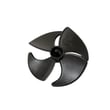
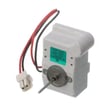
| Warm refrigerator, freezer OK | Weak/failed evaporator fan | Refrigerator evaporator fan motor 242219206 |
| Temps swing, runs too long/short | Faulty temperature sensor (thermistor) | Electrolux refrigerator temperature sensor 5303918645 |
| Moisture or warm spots at door | Air leak at door seal | Refrigerator door gasket 5304528905 |
| No cooling, clicking at start | Start device issue | Refrigerator compressor start relay 5304529285 |
Why it matters
Cooling problems usually get worse over time. A small air leak or weak fan can lead to heavy frost, poor airflow, longer run times, and food spoilage. Catching the cause early often prevents more expensive sealed-system or compressor-related repairs.
Helpful DIY guidance
- Use our how to fix your evaporator cooling fan steps if you suspect weak airflow or fan noise changes.
- If your model displays a fault code, our Frigidaire refrigerator error codes guide helps you match the code to likely causes.
Last updated: February 2026
What's the average lifespan of a Frigidaire refrigerator?
A Frigidaire top-mount refrigerator like model FFHT1814WB1 typically lasts 10 to 15 years. With steady maintenance (good airflow, clean coils, tight door seals, stable temperatures), many units reach the longer end of that range.
Typical lifespan and what to expect
Most refrigerators fail gradually, not all at once. You may notice longer run times, warmer temps, or frost and moisture issues before a major breakdown.
- Average range: 10 to 15 years
- Common “end-of-life” symptoms: inconsistent cooling, loud compressor starts, frequent cycling
- Most cost-effective repairs: door gasket, sensors, fan-related issues
- Most expensive repairs: sealed-system or compressor-related work
Maintenance that helps you reach 15 years
These steps reduce compressor strain and help prevent temperature swings.
- Vacuum condenser area and keep airflow clear around the cabinet
- Keep door gaskets clean and sealing evenly; avoid slamming doors
- Set stable temps (about 37°F fresh food, 0°F freezer)
- Do not overpack; leave space for air circulation
- Defrost and clear frost buildup if airflow gets blocked
Quick “repair vs. replace” guide
Use this as a practical way to judge whether a repair makes sense.
| If your refrigerator is... | Usually worth doing | Consider replacing when... |
|---|---|---|
| Under 8 years old | Most repairs | Only if sealed-system failure is confirmed |
| 8 to 12 years old | Moderate-cost repairs | Multiple issues stack up (cooling + noise + leaks) |
| Over 12 years old | Simple fixes | Compressor or sealed-system repair is needed |
Parts that commonly affect lifespan
When cooling performance drops, these parts are frequent contributors on many top-mount refrigerators.
- A weak start device can stress the compressor; see refrigerator compressor start relay 5304529285
- A failing sensor can cause temperature swings; see electrolux refrigerator temperature sensor 5303918645
- A torn or warped seal leaks cold air and increases run time; see refrigerator door gasket 5304528905
Why it matters
A refrigerator that runs longer to hold temperature uses more energy and wears the compressor faster. Catching airflow problems, gasket leaks, and temperature-sensing issues early is the simplest way to extend the service life.
Last updated: February 2026





