 Error Codes




How long should an electric wall oven last?
A Whirlpool electric wall oven like model WOD77EC0HS20 typically lasts about 15 to 20 years with normal household use and basic care. Consistent cleaning, good airflow around the cabinet, and fixing heating or cooling issues early are what most often determine whether it reaches the high end of that range.
Typical lifespan and what affects it
Most electric double wall ovens wear out from heat stress on electrical parts (elements, thermostats, controls) and from restricted cooling airflow.
- Usage frequency: daily baking shortens lifespan compared to occasional use
- Heat levels: frequent high-temp roasting and self-clean cycles add stress
- Ventilation: blocked vents trap heat and shorten control life
- Power quality: loose connections or voltage issues damage electronics
- Maintenance: keeping the cavity and door seals clean reduces overheating
Signs your oven is nearing end-of-life
If you see these symptoms repeatedly on WOD77EC0HS20, repairs become more common:
- Preheats slowly or struggles to hold temperature
- Uneven baking between racks or between upper and lower ovens
- Fan noise, weak airflow, or frequent cooling fan run-on
- Door glass damage or heat leaking around the door
- Repeated shutdowns after long bakes
Quick part-to-symptom guide
| Symptom | Common area to check | Example part for this model |
|---|---|---|
| Oven not heating or weak bake | Bake circuit | Range bake element W11545804 |
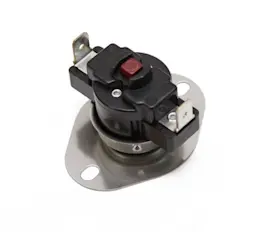
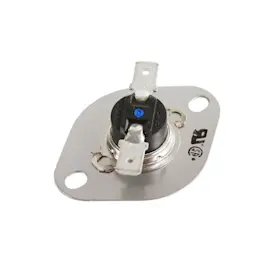
| Oven overheats or trips off | Safety temperature limit | Range high-limit thermostat WP4449751 |
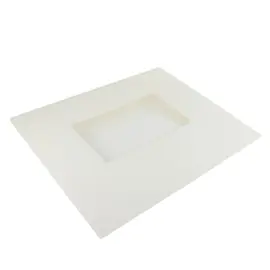
| Excess heat at door, cracked glass | Door glass/door assembly | Wall oven door inner glass WPW10618107 |
How to help your wall oven last longer
These habits extend life without changing performance.
- Wipe spills after the oven cools; baked-on soil holds heat and odors
- Avoid running self-clean back-to-back; let the oven fully cool between cycles
- Keep the bottom vent area clear so the blower can move hot air out
- Use cookware that fits; oversized pans can block airflow and cause hot spots
- If temperatures seem off, test heating components before replacing controls
Why it matters
A built-in electric double wall oven is expensive to replace and labor-intensive to install. Catching a failing bake element, blower, or high-limit thermostat early helps prevent overheating damage to the control panel and wiring.
Last updated: February 2026
Is Whirlpool a good wall oven?
Whirlpool is a good wall oven brand for most homes because it delivers consistent baking performance, practical features (like convection and self-clean), and solid long-term parts support. For the Whirlpool WOD77EC0HS20 electric double wall oven, overall satisfaction typically comes down to installation quality and keeping key heating and airflow parts in good condition.
What “good” means for a wall oven
A wall oven is doing its job when it holds temperature, heats evenly, and runs safely through long bake and self-clean cycles.
Common “good wall oven” strengths we see with Whirlpool models like WOD77EC0HS20:
- Even baking when the bake element and convection system are working correctly
- Reliable high-heat protection during heavy use
- Widely available replacement parts over the life of the oven
- Straightforward serviceability for common failures (elements, fans, door glass)
What to check if performance is not great
If someone says a wall oven “isn’t good,” it is usually a symptom (slow preheat, uneven browning, error beeps), not the brand itself.
Start with these practical checks:
- Uneven baking: verify the convection fan runs; a failed convect motor assembly W11617227 can cause hot spots
- No heat or weak bake: inspect the bake element for blisters or breaks; replace with the correct range bake element W11545804
- Overheating or shutting down: a failing range high-limit thermostat WP4449751 can trip to protect the oven
- Door heat loss: check for damaged glass or poor sealing; inner glass issues can affect temperature stability
- Noisy operation: convection fan or blower wear can get louder over time
Quick comparison: what matters most
| What you care about | What to look for | What usually fixes it |
|---|---|---|
| Even baking | Convection fan running, proper rack position | Convection fan service, calibration checks |
| Fast preheat | Strong bake element output | Replace bake element |
| Safe high-heat operation | No nuisance shutdowns | Check high-limit thermostat |
| Good appearance over time | Door glass and trim condition | Replace damaged glass/trim |
Why it matters
A “good” wall oven is really about temperature control, airflow, and door sealing. When those systems are healthy, Whirlpool wall ovens like WOD77EC0HS20 deliver the consistent results most cooks expect, and repairs stay manageable because parts are readily supported.
Last updated: February 2026
What are the most common issues with WOD77EC0HS20?
The most common problems we see with the Whirlpool WOD77EC0HS20 electric double wall oven involve heating performance (won’t heat, uneven baking, weak broil), cooling or convection airflow issues, and door or control problems such as a door that won’t close right or a touch panel that acts up.
Common symptoms and what usually causes them
- Oven not heating or slow preheat: failed bake element, wiring connection issue, or a safety device opening the circuit
- Uneven baking or convection not working: convection fan motor issue or airflow restriction
- Oven overheats or shuts off: high-limit thermostat opening, cooling blower problem, or blocked venting
- Door won’t close, won’t stay shut, or feels loose: worn hinge assemblies or door alignment problems
- Self-clean won’t start or door won’t unlock: motorized latch issue
- Cracked or fogged door glass: damaged inner door glass
Parts that commonly fix these issues
If your symptoms match, these model-compatible parts are often involved:
- Heating issues: range bake element W11545804
- Overheat or thermal cutout symptoms: range high-limit thermostat WP4449751
- Convection fan not running: convect motor assembly W11617227
- Cooling fan noise or poor cooling: blower W11598119
- Door won’t latch or unlock: latch, motorized W11686858
- Door won’t close correctly: hinge assy-m W11296078 or hinge assy-m W11744485
- Broken inner glass: wall oven door inner glass WPW10618107
Quick checks we recommend before replacing parts
- Confirm you are using the correct mode (Bake vs Convect Bake vs Broil) and temperature.
- Check for strong airflow at the vent area during and after baking.
- Inspect the door for sagging, rubbing, or gaps along the gasket line.
- If a breaker trips or the oven goes dead, stop and inspect for heat damage or loose wiring.
- For electrical testing, use a meter and safe work practices; see how to use a multimeter to test electrical parts video.
Symptom-to-part cheat sheet
| Symptom | Most likely area | Example part on this model |
|---|---|---|
| No bake heat | Heating circuit | Range Bake Element W11545804 |
| Overheats or shuts down | Safety cooling/limit | Range High-limit Thermostat WP4449751 |
| No convection fan | Convection system | Convect Motor Assembly W11617227 |
| Door won’t unlock | Latch system | Latch, Motorized W11686858 |
Why it matters
Heating and airflow problems can cause undercooked food, long preheat times, and repeated shutdowns; door and latch issues affect safety and can prevent self-clean from operating correctly.
Last updated: March 2026