Owner’s manual
 View engine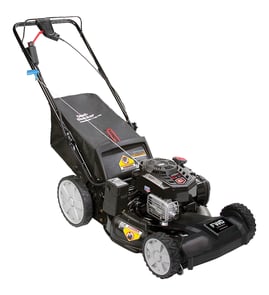




Are gas lawn mowers being phased out?
Gas walk-behind mowers like the Craftsman 917371701 are gradually being phased down in some areas due to emissions and noise rules, but they are still widely used and supported for parts and maintenance. The pace depends on your state and local regulations, plus retailer and consumer demand.
What “phased out” usually means for owners
Even where new gas equipment sales are restricted, it typically affects new sales, not your ability to own, use, maintain, or repair an existing mower.
Common impacts you may see:
- More electric models on store shelves over time
- Tighter emissions rules for new small engines in certain regions
- Continued availability of common wear items (blades, belts, filters, spark plugs)
- More emphasis on tune-ups and proper fuel storage to keep gas mowers reliable
What to do if you plan to keep your Craftsman 917371701
Use the maintenance schedule and safety guidance in the 917371701 owner's manual and stay ahead of the normal wear items.
We recommend:
- Change engine oil on schedule and keep the oil level correct
- Replace stale fuel; do not store gas from one season to the next
- Keep the air filter clean to prevent hard starting
- Inspect the blade and blade mounting hardware after any impact
- Store the mower only after the engine cools, and avoid moisture-trapping covers
Quick parts examples (common wear items)
| Item | What it affects | Example part for this model |
|---|---|---|
| Blade | Cut quality, vibration | Lawn mower 21-in deck mulching blade 532406706 |
| Drive belt | Self-propelled movement | Belt.rgd.vs 532406580 |
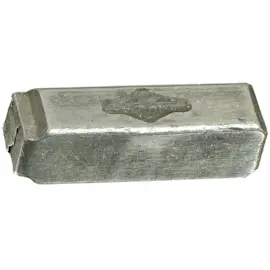
| Blade adapter | Blade fit, wobble | Lawn mower blade adapter 532421176 |
Why it matters
As gas mowers transition out of some markets, good upkeep becomes the best way to extend service life and avoid no-start or vibration problems. Your manual also highlights key safety points, like never adjusting wheel height with the engine running and handling blades carefully.
Last updated: January 2026
Should I use 87 or 93 for lawn mower?
For the Craftsman lawn mower model 917371701, we recommend using fresh regular unleaded gasoline with a minimum of 87 octane (AKI). Using 93 octane typically does not improve performance in small mower engines; fuel freshness and proper maintenance matter more. See the 917371701 owner's manual for fuel and operating guidance.
What to use (and what to avoid)
- Use 87 octane (AKI) or higher regular unleaded.
- Use clean, fresh fuel; old gas is a top cause of hard starting.
- Avoid using fuel that has been sitting for more than about 30 days without stabilizer.
- Do not over-prime; over-priming can flood the engine and prevent starting.
- Keep the top of the engine and starter area clear of grass and chaff to support airflow.
87 vs 93: quick comparison
| Fuel choice | Works in 917371701? | What you’ll notice | Best use case |
|---|---|---|---|
| 87 octane (regular) | Yes | Normal starting and power when fuel is fresh | Everyday mowing |
| 93 octane (premium) | Yes | Usually no measurable benefit | Only if it’s the freshest fuel available |
If your mower runs rough or won’t start after fueling
These checks solve most fuel-related complaints on walk-behind mowers:
- Drain old fuel and refill with fresh 87 octane.
- Confirm the operator presence control bar is held down while starting.
- If flooded, wait a few minutes and try again without priming.
- Inspect the blade area for heavy grass buildup that can overload the engine.
- If you suspect a carburetor issue, plan on service; the manual notes the carburetor is not adjustable.
Why it matters
Small engines are designed to run correctly on regular fuel; the bigger risk is stale gas, flooding from over-priming, and restricted airflow from debris. Using the right fuel and keeping the mower clean helps starting, power, and engine life.
Last updated: January 2026
What are the most common issues with 917371701?
The most common issues we see on the Craftsman 917371701 gas walk-behind mower are no-start or stalling, weak or no self-propel drive, uneven cutting, and problems with the operator control (bail/cable). Many of these trace back to normal wear items, cable adjustments, or deck and drive hardware loosening over time.
Common symptoms and what usually causes them
- Won’t start or stalls: old fuel, dirty carburetor, fouled spark plug, clogged air filter
- Self-propel won’t pull: worn drive components, loose belt, transmission wear, drive control out of adjustment
- Cuts unevenly or leaves strips: dull/bent blade, blade adapter wear, deck buildup, incorrect height setting
- Vibration or rattling: loose blade bolt/hardware, damaged blade, worn washers/spacers
- Discharge chute won’t close: weak or broken chute spring
Quick checks we recommend first
- Disconnect the spark plug wire before working near the blade or drive.
- Verify fresh fuel and a clean air filter; replace the spark plug if it’s dark or oily.
- Tip the mower only with the air filter and carburetor side up (to reduce oil/fuel flooding).
- Inspect the blade and adapter for damage; clean packed grass from the deck.
- Check drive engagement: cable tension, belt condition, and wheel drive parts.
Parts that commonly solve these problems (when worn)
| Symptom | Common wear part | Example part for this model |
|---|---|---|
| Poor cut quality | Mulching blade | Lawn mower 21-in deck mulching blade 532406706 |
| Self-propel slips or won’t move | Drive belt | Belt.rgd.vs 532406580 |
| Chute door won’t return | Chute spring | Lawn mower discharge chute door spring, right 532405416 |
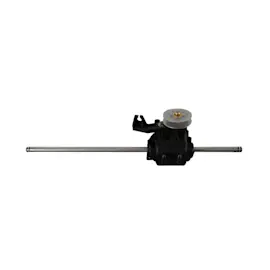
| Drive feels inconsistent | Transmission | Transmission 532404844 |
| Blade wobble or won’t tighten correctly | Blade adapter | Lawn mower blade adapter 532421176 |
Why it matters
Catching wear early prevents bigger failures. For example, a worn blade adapter can damage the crankshaft, and a slipping drive belt can overheat and accelerate transmission wear.
Model-specific diagrams and adjustments
Use the exploded views and adjustment steps in the owner's manual for the Craftsman 917371701; it helps you confirm the correct hardware order (washers, E-rings, nuts) and routing for drive and control cables.
Last updated: March 2026