Error Codes



How many years does an electric water heater last?
Most electric tank water heaters, including the GE GE50S10BMM01, last 10 to 15 years. Regular maintenance (flushing sediment and keeping the anode rod in good shape) helps you reach the high end of that range and reduces problems like slow recovery and fluctuating water temperature.
Typical lifespan and what affects it
- Water quality: hard water speeds up scale buildup on the heating element.
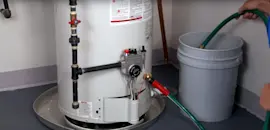
- Maintenance: periodic tank flushing reduces sediment that insulates the element.
- Anode rod condition: a worn anode rod accelerates tank corrosion.
- Usage and set temperature: higher demand and higher setpoints increase wear.
- Early warning signs: rusty water, popping noises, leaks, or inconsistent hot water.
Quick guide: repair vs replace
| What you notice | Most common cause | What we recommend |
|---|---|---|
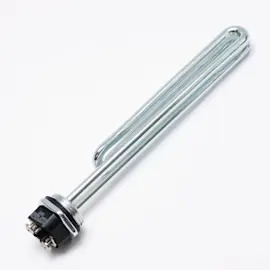
| No hot water or slow recovery | Failed heating element | Check and replace the heating element w/ gasket WS51X23622 if testing confirms it is open/failed |
| Fluctuating water temperature | Sensor or control issue, sediment | Check sensors and flush tank; review water heater fluctuating water temperatures |
| Frequent element failures | Heavy scale, sediment, high temp | Flush tank, verify wiring, consider anode maintenance; see water heater heating element fails often |
| Water around the heater | Valve leak or tank leak | Inspect fittings and drain valve; replace the drain valve WS06X21924 if it is leaking |
Why it matters
Once an electric tank water heater gets past about 10 years, the risk of tank corrosion and leaks rises. Replacing wear items like a heating element or drain valve can restore performance, but a leaking tank typically means the heater is at end of life.
Last updated: February 2026
What is the average labor cost to install a 50-gallon electric water heater?
For a 50-gallon electric water heater like GE model GE50S10BMM01, average labor to remove the old unit and install the new one typically runs $200 to $600 for a straightforward swap. Labor can reach $400 to $1,000+ when electrical, plumbing, access, or code-related upgrades are needed.
What changes the labor price most
- Access and location: attic, crawlspace, tight closet, or long carry distance increases time
- Electrical work: new breaker, wiring, disconnect, or correcting unsafe connections
- Plumbing changes: resizing lines, replacing shutoff valves, adding unions, correcting leaks
- Code and safety add-ons: expansion tank, seismic strapping (where required), drain pan and drain line
- Permits and inspection: local requirements add time and fees
- Disposal and haul-away: sometimes billed separately
Typical labor scenarios (labor only)
| Install scenario | What it usually includes | Typical labor range |
|---|---|---|
| Like-for-like replacement | Same location, minimal pipe and wiring changes | $200 to $600 |
| Moderate complexity | Some plumbing rework, valve replacements, access challenges | $400 to $900 |
| High complexity | Significant electrical/plumbing changes, difficult access, multiple upgrades | $700 to $1,000+ |
Quick ways to keep labor closer to the low end
- Replace the unit in the same location when possible
- Ensure the installer has clear access to the heater and shutoffs
- Decide ahead of time if you want add-ons (pan, expansion tank, new shutoff)
- If your heater is leaking or corroded, plan for possible valve and fitting replacement
- If you are also planning maintenance, combine it with the install (for example, an anode rod service)
Why it matters
Labor is often the biggest swing factor in total water heater replacement cost. A simple swap is mostly time and connections; once electrical corrections, plumbing rework, or code upgrades enter the job, labor climbs quickly.
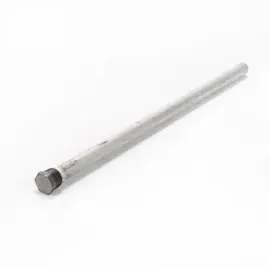
If you are pricing repair versus replacement for GE50S10BMM01, checking common replacement parts like the heating element w/ gasket WS51X23622 and the sensing anode rod-mag 40" WS02X22961 helps you compare the cost of parts plus labor against a full install.
Last updated: February 2026
Is GE a good brand for water heaters?
GE is a solid, widely trusted brand for electric water heaters like model GE50S10BMM01; in normal home use, they’re known for dependable hot-water performance and readily available replacement parts when wear items eventually need service.
What “good” means for a water heater
A water heater brand is “good” when it delivers consistent temperature, holds up to daily use, and is practical to maintain over time.
Common strengths homeowners look for:
- Consistent recovery and stable hot-water output
- Serviceable design (standard electric components and access panels)
- Parts availability for typical repairs
- Straightforward troubleshooting when performance changes
What typically needs service over time
Most electric water heaters, regardless of brand, eventually need maintenance parts due to mineral buildup, water chemistry, and normal electrical wear.
Here are common wear items you can replace on GE50S10BMM01:
- Heating element (for slow recovery or no hot water)
- Temperature sensors (for erratic temperatures or control issues)
- Drain valve (for leaks at the drain or hard-to-drain tanks)
- Anode rod (to help protect the tank from corrosion)
| Symptom | Common cause | Example part for GE50S10BMM01 |
|---|---|---|
| No hot water or slow recovery | Failed heating element | Heating element w/ gasket WS51X23622 |
| Fluctuating temperatures | Sensor or control feedback issue | Temp sensor assembly t6 WS17X22384 |
| Leak at drain outlet | Worn drain valve | Drain valve WS06X21924 |
Why it matters
A “good” water heater is one you can keep running safely and efficiently. If parts are easy to source and the most common repairs are straightforward, you spend less time without hot water and avoid replacing the entire unit for a fixable issue.
Helpful troubleshooting resource
If your GE unit shows a fault or code, use our model-family troubleshooting reference: GE geospring error codes.
Last updated: February 2026