Error Codes




Is it worth fixing a wall oven?
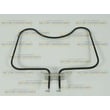
Yes, it’s usually worth fixing a wall oven when the repair is a common wear item (like a heating element, door seal, or switch) and the oven is otherwise in good condition. For the Jenn-Air W2451B, replacing a failed part such as the bake element WPY04100388 often restores normal baking for far less than the cost and disruption of a full replacement.
- The oven heats unevenly or not at all, but the control panel still works normally.
- The door doesn’t seal tightly, causing long preheat times or heat loss.
- The problem is isolated to one function (bake or broil), not everything.
- The cabinet cutout and electrical hookup are in good shape (replacement can add extra work).
- You want to keep the current wall-oven fit and finish in your kitchen.
Many wall-oven problems come down to a few serviceable parts.
| Symptom | Likely area to check | Example part for W2451B |
|---|---|---|
| No bake heat, broil still works | Lower heating circuit | Bake element |
| No broil heat, bake still works | Upper heating circuit | Broiler element |
| Heat leaking, longer cook times | Door sealing | Oven door seal |
| Light or heating changes when door moves | Door interlock | Door switch |
Model-matched examples include the oven broiler element WPY04100514, oven seal WP701650, and door switch WB24T10147.
- The oven has multiple failures at once (for example, heating plus control issues).
- You see repeated tripped breakers or signs of wiring damage.
- The oven cavity is heavily damaged (warped racks supports, severe corrosion).
- You want features this unit does not have (modern controls, convection, etc.).
A wall oven replacement often involves cabinetry fit, electrical compatibility, and installation labor. If the issue is a single failed component, repairing the W2451B can get you back to reliable baking and broiling with less cost and less downtime.
Last updated: January 2026
What are the most common issues with W2451B?
On the Jenn-Air W2451B electric wall oven, the most common problems we see are uneven baking or no heat (failed bake element), weak or no broil (failed broiler element), heat leaking around the door (worn door gasket), and door-related symptoms tied to the door switch.
- Oven will not bake or bakes unevenly: a worn or broken bake element is a top cause.
- Broil does not heat: the broil element can fail and stop glowing or heating.
- Long preheat times or heat escaping: a flattened or torn door gasket lets heat leak.
- Oven light or functions act odd when the door moves: a misaligned or failing door switch can interrupt operation.
- Intermittent operation: loose wiring connections or a failing control can cause sporadic heating.
If your symptoms match, these model-compatible parts are often the right starting point:
| Symptom | Common fix | Part to check first |
|---|---|---|
| No bake heat | Replace bake element | Bake element WPY04100388 |
| No broil heat | Replace broil element | Oven broiler element WPY04100514 |
| Heat leaking, poor temperature control | Replace door gasket | Oven seal WP701650 |
| Door-related cutouts | Test/replace door switch | Door switch WB24T10147 |
- Confirm the oven is getting full power; electric wall ovens typically need 240 VAC.
- For elements: look for blisters, cracks, or burned spots.
- Use a multimeter to check element continuity with power disconnected.
- Inspect the door gasket for gaps, tears, or hardened sections.
- Check the door switch for a positive click and secure mounting.
Heating and door-seal problems affect temperature stability, cooking results, and energy use. Catching a weak element or worn gasket early helps prevent longer preheats and inconsistent baking.
Last updated: March 2026
What is the disadvantage of a wall oven?
A wall oven (including the Jenn-Air W2451B) typically costs more to buy and install than a freestanding range, and repairs can take longer because the unit is built into cabinetry. You also need a separate cooktop, which adds cost and planning.
- Higher total cost: wall oven plus a separate cooktop, plus cabinetry and electrical work.
- More complex installation: often requires a dedicated circuit and precise cabinet cutout.
- Harder access for service: built-in units may need to be partially removed for some repairs.
- Ergonomics vary: depending on mounting height, you may bend more (or lift more) when loading heavy cookware.
- Fewer “all-in-one” replacements: swapping to a different style later can require cabinet modifications.
Wall ovens are great for layout flexibility, but the tradeoff is that service and sealing issues matter more because heat is concentrated in a cabinet opening. If you notice heat escaping around the door, a worn door gasket is a common fix on many ovens; for this model, the oven seal WP701650 is the matching door seal part.
| Feature | Wall oven | Freestanding range |
|---|---|---|
| Upfront cost | Usually higher | Usually lower |
| Installation | Cabinet cutout, dedicated wiring | Typically simpler hookup |
| Repairs | May require removal from cabinet | Easier access from front/back |
| Cooktop included | No | Yes |
Planning for installation complexity and long-term service access helps avoid surprises later, especially with built-in appliances where cabinet fit, door sealing, and electrical requirements all affect performance and comfort.
Last updated: January 2026