Owner’s manual
 Error Codes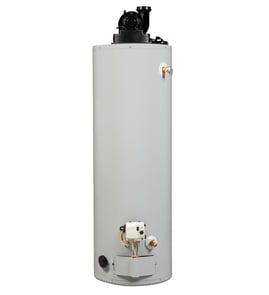



How do I read my water heater model number?
For Kenmore gas water heater model 153336465, the model number is printed on the model rating plate on the front of the tank. We use that exact model number (plus the serial number and gas type) to match the correct parts and specifications in the 153336465 owner's manual.
Where to find the model number (rating plate)
Look on the front of the water heater for the rating plate label. Once you find it, record these items:
- Model number (example: 153336465)
- Serial number
- Gas type listed (natural gas or propane/LP)
- Any capacity or altitude notes shown on the label
How to “read” a Kenmore model number like 153336465
Kenmore water heater model numbers are typically written as a single string of digits. For parts lookup, the most important rule is to use the full model number exactly as printed on the rating plate.
Here is a simple way to interpret what you are seeing:
| What you see | What it means | Why we need it |
|---|---|---|
| 153336465 | The full model identifier | Ensures the correct parts list and diagrams |
| Serial number | Production identifier | Helps confirm the correct build/version |
| Gas type (NG or LP) | Fuel the heater is set up for | Prevents ordering the wrong burner orifice or pilot parts |
Why it matters
Using the exact model number from the rating plate prevents mismatched parts, especially on gas components where the gas type and configuration matter for safe operation.
Tip for ordering parts faster
When you are ready to order, have these details in hand:
- Model number: 153336465
- Serial number
- Gas type: natural or propane (LP)
- Part description (example: pilot assembly, burner, drain valve)
Last updated: January 2026
How do I tell if my water heater element is bad?
On the Kenmore 153336465 gas water heater, there is no electric heating element to “go bad”; water is heated by a gas burner system. If you have no hot water or weak heating, focus on burner, pilot, venting, and combustion air checks in the 153336465 owner's manual.
What to check instead (gas water heater heating system)
- Pilot and ignition: If the pilot will not stay lit or the burner will not light, the heater will not heat.
- Burner condition: Inspect the main burner and pilot burner at least yearly; sooting is not normal and indicates a combustion problem.
- Air intake and ventilation: Obstructed combustion air or venting can prevent proper operation.
- Condensation vs. leak: After a cold fill, condensation can drip and look like a leak; it often clears after 1 to 2 hours of heating.
- Gas supply safety: If you see heavy sooting or suspect venting issues, turn the gas control to OFF and address the cause before using the heater.
Quick symptom guide
| What you notice | Most likely area to inspect | Common next step |
|---|---|---|
| No hot water, burner never fires | Pilot/ignition system | Check pilot lighting procedure and ignition components |
| Burner fires but heat is weak | Burner dirty, restricted air, venting issue | Inspect burner flame and air/vent path |
| Water on floor near heater | Condensation, loose connections, drain valve seep | Let tank warm, then inspect fittings and drain valve |
| Pilot goes out during heavy use | Excess condensation dripping onto burner | Verify venting and combustion air, allow warm-up |
Parts that commonly affect heating on this model
If troubleshooting points to a failed component, these are common heating-related parts for model 153336465:
- Pilot assembly 100109290 (pilot will not light or stay lit)
- Water heater burner 100109206 (poor flame, delayed ignition, weak heating)
- Water heater igniter 100109221 (ignition problems)
- Water heater air intake screen 100109216 (restricted combustion air)
Why it matters
Gas water heaters rely on safe combustion and proper venting. Misdiagnosing a “bad element” can delay the real fix, and issues like sooting or blocked venting can create unsafe operating conditions.
Last updated: January 2026
What is the life expectancy of a Kenmore water heater?
A Kenmore gas water heater like model 153336465 typically lasts 8 to 12 years with normal residential use. Regular maintenance (flushing sediment, checking the anode rod, and keeping the burner area clean) is what most often determines whether you land closer to 8 years or 12.
Typical lifespan and what affects it
Most gas tank-style water heaters fail from tank corrosion or heavy sediment buildup. These factors have the biggest impact:
- Water quality (hard water speeds sediment buildup)
- Temperature setting (higher temps increase wear and scale)
- Maintenance frequency (annual flushing helps)
- Anode rod condition (a worn anode accelerates tank rust)
- Venting and combustion air (poor airflow can cause burner issues)
Maintenance checklist to help it reach the high end of the range
Use these as practical, homeowner-friendly habits:
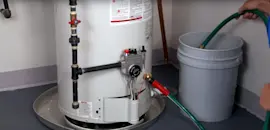
- Flush the tank yearly to reduce sediment and popping noises
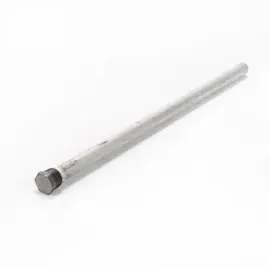
- Inspect the anode rod every 2 to 3 years and replace when heavily worn (see anode rod 100109434)
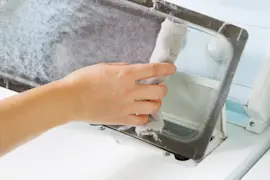
- Keep the air intake screen clean so the burner gets enough air (see water heater air intake screen 100109216)
- Check for small leaks at fittings and the drain valve before they become bigger problems
- Follow the lighting and safety steps in the 153336465 owner's manual
Lifespan vs. warranty (quick comparison)
The warranty is not the same as expected service life, but it helps set expectations.
| Item | What it usually means | What to do |
|---|---|---|
| Typical service life | 8 to 12 years | Maintain yearly; replace worn parts early |
| Tank coverage (many models) | Often longer than parts coverage | Watch for corrosion and leaks |
| Parts coverage | Often shorter than tank coverage | Keep ignition and burner components in good shape |
Why it matters
Planning around the 8 to 12 year window helps you avoid surprise cold showers and water damage. If your 153336465 is already in that age range, proactive maintenance (especially the anode rod and sediment control) is the best way to extend its usable life.
Last updated: January 2026