Owner’s manual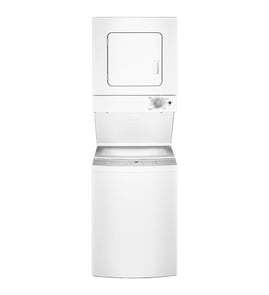




Why is my Frigidaire dryer not drying clothes?
On your Frigidaire FLCE7522AW2 laundry center, the most common reason clothes stay damp is restricted airflow from the lint screen through the vent to outdoors. Use only 4-inch metal ducting, keep the lint filter clean every load, and confirm the outside vent hood damper opens fully.
Quick checks that fix most “not drying” problems
- Clean the lint screen before every load and make sure it seats fully (the dryer should not run without it); see the FLCE7522AW2 owner's manual.
- Inspect the vent hose behind the unit for kinks, crushing, or sagging that traps lint.
- Confirm the dryer exhausts outdoors (not into a wall, attic, crawl space, or other concealed space).
- Check the outdoor vent hood: remove lint buildup and verify the damper swings open during operation.
- Verify you are using 4-inch (102 mm) rigid or semi-rigid metal duct (not plastic or foil).
- Avoid overloading; most wet loads should fill the drum about 1/3 to 1/2 full for proper tumbling.
Vent length limits (airflow matters)
Long vent runs and too many elbows slow airflow and extend dry times. Use this as a quick reference for typical maximum lengths shown for standard venting.
| 90° turns | Max length with 4-inch louvered hood | Max length with 2.5-inch hood |
|---|---|---|
| 0 | 56 ft | 42 ft |
| 1 | 48 ft | 34 ft |
| 2 | 40 ft | 26 ft |
| 3 | 32 ft | 18 ft |
When airflow is good but drying is still poor
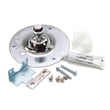
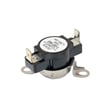
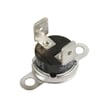
If the venting checks out, a heating or temperature-sensing issue is next. These parts can cause low heat, cycling heat, or shutdowns that leave clothes damp:
- Dryer thermistor 134587700 (temperature sensing)
- Dryer inlet thermal limiter 137032600 (overheat protection)
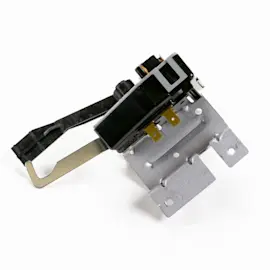
- Kelvinator dryer high-limit thermostat 3204267 (overheat protection)
Why it matters
A blocked or incorrect vent system does more than slow drying; it can overheat the dryer and trip safety limiters, and it also increases lint buildup in the exhaust path. Correct duct type, correct length, and a clean lint screen keep drying times normal and protect key components.
Last updated: February 2026
What is the purpose of FLCE7522AW2?
The Frigidaire FLCE7522AW2 is a stacked laundry center built to wash and dry clothes in one space-saving unit. It combines a washer and dryer in a single cabinet, with operating instructions, controls, and safety guidance covered in the FLCE7522AW2 owner's manual.
What this model is designed to do
A stacked laundry center like the FLCE7522AW2 is meant to handle everyday laundry while fitting into tighter spaces such as closets, apartments, and utility rooms.
Key purposes include:
- Wash and dry in one footprint (washer below, dryer above)
- Provide standard cycle selections for common fabric types and soil levels
- Support safe operation with clear warnings and usage instructions
- Allow service and maintenance using model-specific parts (lint screen, pump, thermostats)
What to check first when setting up or using it
We recommend using the manual as your baseline for correct use, venting, and safety.
Start with these practical checks:
- Confirm the model and serial tag location (inside the dryer door opening)
- Follow the manual’s installation and pre-installation requirements
- Keep the dryer venting uncrushed and unrestricted to prevent poor drying
- Inspect and clean the exhaust system about every 18 months with normal use
- Clean the lint area regularly; replace a damaged screen such as the Frigidaire laundry center dryer lint screen 5304516871 when it no longer seals or filters properly
Common “purpose” questions, answered
| Question | What it means for FLCE7522AW2 |
|---|---|
| Is it one machine or two? | Two appliances (washer + dryer) in one stacked cabinet |
| Is it meant for tight spaces? | Yes, it is designed to save floor space |
| Does it include safety and operating guidance? | Yes, the use and care manual covers safety, controls, operation, and troubleshooting |
Why it matters
Using the FLCE7522AW2 as intended helps you get better cleaning and drying results, reduces wear on components like the drum support and venting system, and helps prevent avoidable issues such as long dry times and overheating.
Last updated: February 2026
How to run a clean cycle on a Frigidaire washer?
To run a clean cycle on the washer in your Frigidaire FLCE7522AW2 stacked laundry center, start with an empty tub, add an approved washer cleaner (or liquid chlorine bleach if your manual allows it), then select the washer’s Tub Clean cycle and press Start.
Steps to run the Tub Clean cycle
- Remove all clothing and items from the washer tub.
- Make sure the lid closes fully (the washer will not run with the lid open).
- Add an approved washer cleaner following the cleaner’s label directions.
- Select Tub Clean on the washer control panel.
- Press WASHER START|PAUSE to begin; the lid lock will engage.
- When the cycle ends, remove any residue and leave the lid open briefly to air-dry.
Cleaner and safety notes (important)
The manual includes a key safety warning: never mix liquid chlorine bleach with other household chemicals because dangerous fumes can form.
| What to use | When it helps most | What to avoid |
|---|---|---|
| Washer cleaner tablet/liquid | Routine monthly cleaning, odor prevention | Overdosing cleaner (can leave residue) |
| Liquid chlorine bleach (only if allowed by your manual) | Heavy odor or mildew cleanup | Mixing with ammonia, acids, rust removers, toilet cleaners |
For model-specific cleaner guidance and cycle details, follow the FLCE7522AW2 owner's manual.
Why it matters
Running a Tub Clean cycle helps reduce odor-causing residue from detergent, fabric softener, and soil buildup. It also supports better rinsing and more consistent wash performance over time.
Last updated: February 2026
What is the downside to a stackable washer and dryer?
A stacked laundry center like the Frigidaire FLCE7522AW2 saves floor space, but the main downsides are harder access for service, more vibration/noise sensitivity, and less flexibility (you cannot separate units later). Control height and smaller capacity can also be tradeoffs versus full-size side-by-side sets.
Common downsides (what most owners notice)
- Service access is tighter: many repairs require removing panels and working in a confined cabinet.
- More vibration sensitivity: an out-of-balance washer load can transmit movement through the stacked frame.
- Control reach: dryer controls can sit higher than a standard dryer, which is inconvenient for some users.
- Capacity tradeoff: many stacked units have smaller washer and dryer capacity than full-size pairs.
- Fewer layout options: you cannot unstack and place units side-by-side later.
- Vent and duct maintenance matters more: restricted airflow causes longer dry times and overheating risk.
What to do to minimize the downsides
Use these habits to reduce noise, improve drying, and avoid nuisance issues:
- Level the unit carefully and keep it stable on the floor.
- Avoid overloading; redistribute loads if the washer starts banging.
- Clean the lint filter every load; do not run the dryer without it.
- Keep the exhaust duct clear; have the dryer cabinet interior and exhaust duct cleaned about every 18 months.
- Confirm proper grounding and power setup during installation.
| Downside | What it affects | Best prevention |
|---|---|---|
| Tight service space | Repair time and complexity | Follow the FLCE7522AW2 owner’s manual for access and safety steps |
| Vibration/noise | Comfort, wear on components | Balance loads, level unit |
| Airflow restrictions | Dry time, heat-related shutdowns | Clean lint filter and venting regularly |
Why it matters
Stacked laundry centers are designed to be compact, so small setup issues (leveling, venting, load balance) have a bigger impact on performance than they do on larger, separated machines. Good maintenance helps prevent “clothes still damp” complaints and heat-limit trips.
Related troubleshooting help
- Use laundry center clothes still damp if drying performance is the main concern.
Last updated: February 2026