Owner’s manual
 View engine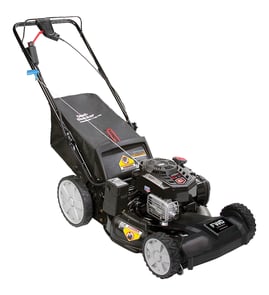



How much does it cost to repair a hydrostatic transmission on a lawn mower?
Hydrostatic transmission repairs are typically a riding-mower expense; your Craftsman 917377690 is a gas walk-behind mower and uses a belt-and-gear drive system instead of a hydrostatic transmission. For riding mowers, hydrostatic repair costs commonly range from a few hundred dollars for minor service to $1,300 to $2,500 for a full transmission replacement.
What this means for Craftsman 917377690 owners
Most “won’t move” or weak self-propel issues on this model are usually caused by wear in the drive system, not a hydrostatic unit. Use the maintenance and adjustment guidance in the 917377690 owner's manual to confirm the correct drive-control setup before replacing parts.
Common walk-behind drive repairs (typical)
- Replace a worn or stretched drive belt.
- Inspect the drive control cable/lever for proper tension and smooth movement.
- Check drive gears for rounding, cracking, or binding.
- Verify wheels spin freely and are not seized by debris or corrosion.
- Confirm fasteners are tight and the drive cover is secure.
Parts that often fix “won’t move” symptoms on this model
If your Craftsman 917377690 self-propel is slipping or not engaging, these model-matched parts are common fixes:
- Belt 532157769 (drive belt kit)
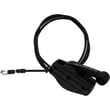
- Drive control 532184588 (drive control assembly)
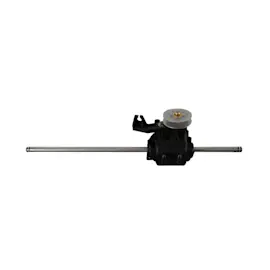
- Lawn mower drive pinion gear 532137054 (drive pinion gear)
Quick cost comparison
| Mower type | Drive type | Typical repair cost drivers |
|---|---|---|
| Walk-behind (like 917377690) | Belt/gear self-propel | Belt, cable/control, gears, wheels |
| Riding mower | Hydrostatic | Transmission service or replacement |
Why it matters
Hydrostatic transmission pricing can sound alarming, but it usually does not apply to walk-behind mowers. Focusing on the belt, drive control, and gears helps you diagnose faster, avoid unnecessary parts, and restore self-propel performance.
Last updated: February 2026
Is it cheaper to repair or replace a lawnmower?
For a Craftsman 917377690 gas walk-behind mower, it’s cheaper to repair when the fix is a normal wear item (blade, belt, wheel parts). It’s usually better to replace the mower when the repair is a major engine or drive-system failure that costs about half the price of a comparable new mower.
Quick decision guide (repair vs. replace)
Use these checkpoints to decide fast:
- Repair when the mower still starts and runs well, and the issue is cutting or drive performance.
- Repair when you’re replacing common wear parts like a blade, blade adapter, belt, or drive control.
- Replace when the engine has severe internal damage (low compression, heavy knocking, seized crankshaft).
- Replace when the drive system needs multiple expensive components at once (belt plus gears plus wheels plus controls).
- Replace when the deck is badly rusted or cracked and won’t safely support the blade.
Common repairs that are usually worth it on model 917377690
These are typical, cost-effective fixes for this mower:
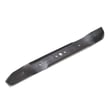
- Replace a worn or bent blade: lawn mower blade 532406713
- Replace a slipping self-propel belt: belt 532157769
- Fix drive engagement issues at the handle: drive control 532184588
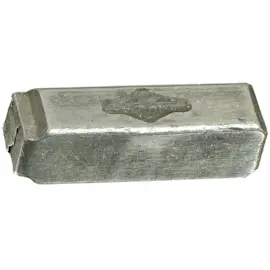
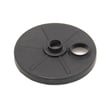
- Restore blade mounting if the adapter is worn: lawn mower blade adapter 581547901
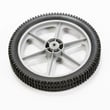
- Replace worn wheel components if the mower won’t roll or drive smoothly: lawn mower wheel 532180552
Cost and outcome comparison
| Situation | Typical result | Best choice |
|---|---|---|
| Blade is dull/bent, mower runs fine | Poor cut quality, vibration | Repair |
| Self-propel slips but engine is strong | Won’t move consistently | Repair |
| Engine runs but needs routine maintenance | Hard starting, rough running | Repair |
| Engine is seized or has major internal failure | No-start or unsafe operation | Replace |
| Multiple drive parts needed plus deck damage | High cost, low reliability | Replace |
Why it matters
A sharp, balanced blade and a properly working drive system protect the crankshaft and improve cut quality. Your manual also calls out routine maintenance (oil checks, seasonal tune-up items, and blade care) that helps the mower last longer and keeps repair costs low; see the 917377690 owner’s manual.
If you decide to repair
- Price out the parts you need from the model’s parts list first.
- Prioritize safety items (blade condition, fasteners, drive control operation).
- If you’re ordering beyond the parts shown here, search by model number on Sears PartsDirect.
Last updated: February 2026
Should I use 87 or 89 gas for lawn mower?
For the Craftsman 917377690 gas walk-behind lawn mower, use regular unleaded 87-octane gasoline. Higher octane (like 89) does not improve performance in typical small mower engines; the bigger priority is using clean, fresh fuel and filling the tank safely (engine off and cool). See the 917377690 owner's manual for fueling and safety details.
What to use (and what to avoid)
- Use fresh, clean unleaded gasoline (87 octane).
- Use fuel from a busy station so it is less likely to be old.
- Keep the gas cap area clean so debris does not fall into the tank.
- Avoid fueling when the engine is running or hot; let it cool first.
- Wipe up spilled fuel before starting.
Quick comparison: 87 vs 89 for this mower
| Fuel choice | Works in Craftsman 917377690? | When it makes sense |
|---|---|---|
| 87 octane (regular) | Yes | Normal mowing, best everyday choice |
| 89 octane (mid-grade) | Yes, but unnecessary | Only if 87 is unavailable; no added benefit |
Why it matters
Using the correct fuel helps your mower start easier, run consistently, and reduces avoidable fuel-related issues (hard starting, rough running, stalling). Octane is not a “power booster” for most walk-behind mower engines; fuel freshness and safe handling matter more.
Fueling and safety reminders
Our manual guidance for this mower emphasizes safe fueling and operation:
- Check the fuel tank before starting.
- Do not fill the tank indoors.
- Do not fill the tank with the engine running or hot; cool the engine first.
- Clean off any spilled gasoline before starting.
Related maintenance that helps performance
If you are also seeing poor cut quality or vibration, inspect the blade and hardware:
- Check the blade for bends, cracks, or heavy wear.
- Tighten blade mounting hardware to the manual’s specs.
- Replace a damaged blade with the correct part for this model, such as the lawn mower blade 532406713.
You can order replacement parts for Craftsman 917377690 from the parts list for this model, or search by model number on Sears PartsDirect.
Last updated: February 2026
What is the life expectancy of a gas-powered lawn mower?
Most gas-powered walk-behind lawn mowers last 8 to 10 years with normal homeowner use and routine maintenance. For your Craftsman 917377690, following the maintenance and storage steps in the 917377690 owner's manual helps you reach that typical lifespan.
What affects mower lifespan the most
A mower’s service life is usually determined by engine care, blade/deck condition, and how it’s stored.
- Oil changes: change engine oil about every 25 hours of operation or at least once a year
- Oil level checks: check before starting and during heavy use so the engine never runs low
- Air filter and cooling cleanliness: a clogged, dirty engine runs hotter and shortens engine life
- Blade condition: a dull or bent blade increases load and vibration
- Deck cleaning: clean the underside after each use to prevent corrosion and heavy buildup
- Storage habits: stale fuel and moisture during off-season storage shorten life
Maintenance schedule snapshot (typical)
Use this as a quick planning guide, then follow the exact steps and safety notes in your manual.
| Task | Typical interval | Why it matters |
|---|---|---|
| Change engine oil | Every 25 hours or yearly | Prevents accelerated engine wear |
| Replace spark plug | Yearly | Easier starting, smoother running |
| Clean underside of deck | After each use | Prevents buildup, rust, poor cut |
| Clean under drive cover | At least twice a season | Helps self-propel drive last longer |
Why it matters
When a mower is maintained on schedule, it usually fails gradually (hard starting, reduced power, poor cut) instead of suddenly. That gives you time to tune it up or replace wear items before they damage bigger components.
Parts that commonly wear during normal use
These are considered routine wear items on many mowers; replacing them on time helps the mower reach its full lifespan.
- Lawn mower blade 532406713 (cut quality and engine load)
- Lawn mower blade adapter 581547901 (reduces wobble and vibration)
- Belt 532157769 (self-propel drive performance)
If you’re stocking up on maintenance items and repair parts for the 917377690, we recommend using the parts list for this model first, then searching by model number on Sears PartsDirect.
Last updated: February 2026
What are the common problems with Craftsman lawn mowers?
Common problems on the Craftsman 917377690 gas walk-behind lawn mower are no-start conditions (stale fuel, dirty air filter, disconnected spark plug wire, bad spark plug), loss of power (heavy grass, debris buildup under the deck, too much oil), and poor or uneven cutting (worn or loose blade, uneven wheel height). For model-specific checks and settings, use the 917377690 owner's manual.
Most common symptoms and what usually causes them
- Won’t start: out of fuel, stale or water-contaminated fuel, dirty air filter, spark plug wire off, bad spark plug, control bar released/defective
- Starts then runs poorly or loses power: heavy grass load, mowing too fast, grass and debris packed under the mower deck, dirty air filter, oil level too high
- Cuts uneven or leaves strips: worn/bent blade, blade loose, wheel height set unevenly, deck packed with clippings
- Self-propelled won’t drive well: worn or stretched drive belt, drive control/cable out of adjustment, worn drive components
Quick checks we recommend (fast, high-impact)
- Confirm the control bar is held firmly against the handle while starting and mowing.
- Drain old fuel and refill with fresh gas; never store gasoline from one season to the next.
- Inspect and clean the underside of the deck (with the spark plug wire disconnected) to remove packed grass.
- Check the blade and blade mounting hardware for looseness or damage.
- Check drive performance; if the mower is self-propelled and slips, inspect the drive belt.
Parts that commonly solve these problems
If inspection shows wear or damage, these model-matched parts are common fixes:
| Symptom | Part to inspect/replace | What it affects |
|---|---|---|
| Poor cut, vibration, uneven cut | Lawn mower blade 532406713 | Cutting quality and balance |
| Blade won’t stay tight, blade slips | Lawn mower blade adapter 581547901 | Blade mounting and drive to blade |
| Self-propelled weak or not moving | Belt 532157769 | Power transfer to the drive system |
| Drive engagement feels wrong | Drive control 532184588 | Cable/control that engages drive |
Why it matters
Most “big” mower problems start as basic maintenance issues: stale fuel, restricted airflow, or grass buildup under the deck. Fixing those early prevents hard starting, overheating, poor cutting, and premature wear on the blade adapter, belt, and drive components.
You can also order model-specific replacement parts from the parts list for your mower, or search by model number on Sears PartsDirect.
Last updated: February 2026