Error Codes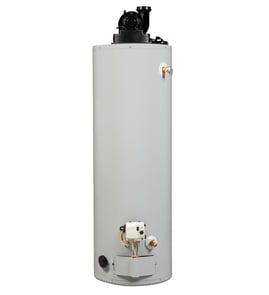

What is the most common problem with a gas hot water heater?
The most common gas water heater problem is no hot water because the pilot will not stay lit. On a Reliance 650YBVIT100 gas water heater, this is usually tied to ignition or combustion-air issues, or a failing gas control component that stops the burner from lighting reliably.
Most common causes (and what you will notice)
- Pilot will not stay lit: burner never fires, water stays cold.
- Dirty air intake or restricted combustion air: pilot lights but goes out, sooting, or poor burner flame.
- Sediment buildup in the tank: popping or rumbling sounds, slower recovery, lukewarm water.
- Failing igniter or burner components: repeated clicking/attempts to light, intermittent heat.
- Gas control or wiring issue: no ignition sequence, inconsistent operation.
Quick checks we recommend first
- Confirm gas supply is on at the shutoff valve and other gas appliances work.
- Inspect and clean the intake area; a clogged screen can starve the burner of air. If yours is damaged or missing, use the exact replacement water heater air intake screen 100109216.
- Listen for the ignition sequence (blower/ignition attempt). If ignition is inconsistent, the water heater burner igniter assembly 100110771 is a common repair path.
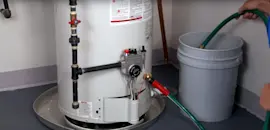
- Watch for signs of sediment (noise, reduced hot water). Flushing the tank often improves performance.
Common symptoms and likely fixes
| Symptom | Most likely cause | Typical next step |
|---|---|---|
| Pilot will not stay lit | Air restriction, ignition component issue | Clean intake; inspect ignition parts |
| Hot water runs out fast | Sediment, burner not firing fully | Flush tank; check burner flame |
| Rumbling/popping | Sediment buildup | Flush tank; consider anode maintenance |
| Water around heater | Valve or connection leak | Inspect fittings; check relief valve |
Why it matters
A pilot that will not stay lit is more than an inconvenience; it prevents normal burner operation, wastes time relighting, and can point to airflow or ignition problems that reduce efficiency and reliability.
Related DIY help
Last updated: January 2026
What is the warranty on the Reliance 650YBVIT100?
The Reliance 650YBVIT100 gas water heater typically includes a 6-year limited tank warranty. Warranty coverage can vary by the exact unit configuration and installation details, so we recommend confirming the warranty terms using your rating plate information and purchase paperwork.
What the warranty usually covers
Most tank warranties for gas water heaters focus on the tank itself, not every component.
- Tank leaks due to manufacturing defects (limited coverage)
- Replacement tank or prorated coverage depending on age
- Exclusions for improper installation, water quality issues, or lack of maintenance
- Parts like valves, igniters, and blowers often have different coverage terms
Parts that are commonly replaced during ownership
Even with a strong tank warranty, normal wear items can still need replacement over time.
| Part type | What it affects | Example part for 650YBVIT100 |
|---|---|---|
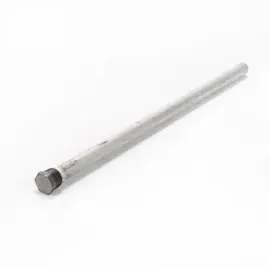
| Anode rod | Corrosion protection, tank life | Anode 33 in 100108260 |
| T&P relief valve | Safety pressure/temperature relief | Water heater temperature and pressure relief valve 100108279 |
| Ignition components | Lighting and flame stability | Water heater burner igniter assembly 100110771 |
Why it matters
A 6-year tank warranty is only as useful as the maintenance behind it. Keeping the air intake clear, flushing sediment periodically, and inspecting the anode rod helps prevent premature tank failure and performance problems.
Helpful DIY guidance
For general water heater maintenance and repair planning, we use these resources often:
- Water heater common questions
- What are the most common water heater parts that need replacing
- Easy diy water heater repairs
Last updated: January 2026
How long does a 100 gallon water heater last?
A 100-gallon storage water heater lasts 8 to 12 years for gas and 10 to 15 years for electric. For the Reliance 650YBVIT100 gas water heater, the biggest life-extenders are flushing sediment and keeping corrosion protection (the anode rod) in good shape.
Typical lifespan at a glance
| Type | Typical lifespan | Most common end-of-life cause |
|---|---|---|
| Gas (including Reliance 650YBVIT100) | 8 to 12 years | Tank corrosion, combustion and venting wear |
| Electric | 10 to 15 years | Tank corrosion, heating element failure |
What to do to reach the full lifespan
- Flush the tank periodically to reduce sediment that overheats the tank bottom.
- Check and replace the anode rod when it is heavily worn (see anode 33 in 100108260).
- Keep the combustion air path clear so the burner runs cleanly (see water heater air intake screen 100109216).
- Watch for seepage at connections and nipples; small leaks often become major failures.
- Keep temperature set to a steady, safe level (many homes use about 120°F) to reduce scaling.
Signs a 100-gallon heater is near the end
- Rusty or discolored hot water that returns after flushing
- Rumbling or popping from heavy sediment
- Moisture, corrosion, or staining around the base or tank seam
- Repeated ignition or burner problems
- Frequent discharge from the temperature and pressure relief valve (after correcting pressure or thermal expansion)
Why it matters
A 100-gallon tank stores a lot of water, so sediment and corrosion have more surface area and time to do damage. Replacing wear items like the anode rod on schedule is one of the most effective ways to extend tank life.
Last updated: January 2026
How do I know if my thermocouple is bad on my gas water heater?
On the Reliance 650YBVIT100 gas water heater, a “bad thermocouple” is not a valid diagnosis because this model uses electronic ignition rather than a standing pilot with a thermocouple. If you are losing heat or ignition, focus on the igniter, combustion air, venting, and gas valve controls instead.
What you’ll see when ignition or flame sensing is the real problem
- Burner does not light when there is a call for heat
- Repeated clicking or repeated ignition attempts without flame
- Short cycling (burner lights briefly, then shuts off)
- No hot water or water temperature drops during use
- Error indication on the control (if equipped)
Quick checks we recommend first (safe, no disassembly)
- Confirm the gas shutoff valve is fully open and other gas appliances work.
- Make sure the exhaust and intake paths are clear; blocked airflow causes ignition failure.
- Clean lint and dust from the water heater air intake screen 100109216 so the burner gets enough combustion air.
- If the unit is power vented, listen for the blower to run; a failed blower can prevent ignition.
Parts that commonly cause “no ignition” on this model type
| Symptom | Common cause | Example part to inspect/replace |
|---|---|---|
| No ignition attempt or weak ignition | Failed igniter or burner assembly issue | Water heater burner igniter assembly 100110771 |
| Blower does not run, unit will not fire | Vent blower problem or vent safety issue | Water heater exhaust vent blower assembly 100109785 |
| Pilot-style symptoms (won’t stay lit) but unit is electronic ignition | Airflow restriction or control issue | Clean intake; verify venting; check wiring |
Why it matters
Electronic-ignition water heaters shut down for safety when they cannot prove proper airflow or stable flame. Treating it like a standing-pilot thermocouple problem can delay the real fix and keep you without hot water.
Last updated: January 2026