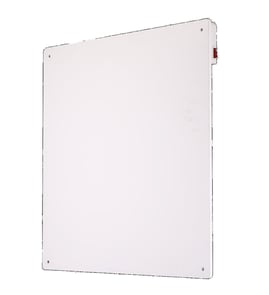

Can I install a wall furnace myself?
For a Williams 25GV-5 LPG wall furnace, we recommend having a qualified technician handle the installation. Mounting the cabinet can be DIY, but gas piping, combustion air, venting, and any electrical connections must be set up correctly to prevent fire, gas leaks, and carbon monoxide hazards.
What you can safely do yourself
If you are comfortable with basic hand tools, these steps are typically reasonable for a homeowner:
- Confirm the heater is the correct fuel type (LPG/propane) for your home
- Measure the wall cavity and verify clearances to combustibles (drywall, studs, insulation)
- Prepare the mounting location (framing, patching, and securing the unit to studs)
- Clean the area and keep the burner compartment free of dust and debris
- Gather tools and supplies before the installer arrives (screwdrivers, level, drill, flashlight)
What should be left to a pro (and why)
These steps directly affect safe combustion and leak-free operation:
- Connecting and leak-testing the gas line and shutoff valve
- Setting manifold pressure and verifying proper burner flame
- Verifying venting and draft (if your setup uses venting)
- Checking for carbon monoxide risk and confirming safe operation
- Confirming the installation meets local code requirements and permit rules
Quick decision guide
| Task | DIY-friendly? | Why it matters |
|---|---|---|
| Mounting the heater body | Usually | Prevents vibration, noise, and shifting |
| Gas connection and leak test | No | Prevents fire and explosion risk |
| Venting and combustion setup | No | Prevents carbon monoxide and poor heating |
| Final startup and adjustments | No | Prevents soot, odor, and unsafe flames |
Why it matters
Wall furnaces burn fuel inside your living space. Small installation errors (gas leaks, incorrect air supply, poor venting, wrong pressure) can create serious safety hazards and performance problems like soot buildup, strong odors, or nuisance shutdowns.
Helpful DIY reading before you start
Use our safety overview in are diy appliance repairs safe to decide which steps you should do yourself versus hand off to a technician.
Last updated: February 2026
How to relight a Williams wall heater?
To relight a Williams wall heater such as model 25GV-5, we turn the gas control knob to PILOT, press and hold it in while lighting the pilot, then keep holding briefly so the thermocouple heats up before switching back to ON.
Before we relight (safety and setup)
- Set the thermostat to the lowest setting.
- Turn the gas control knob to OFF and wait at least 5 minutes to clear any unburned gas.
- Make sure the area around the wall furnace is clear and well ventilated.
- Locate the pilot access or observation opening (some units have a small pilot observation door).
- Have a long match or long-reach lighter ready.
Relighting steps (typical Williams standing-pilot sequence)
- Turn the gas control knob to PILOT.
- Press and hold the knob in (this opens gas to the pilot).
- While holding the knob in, light the pilot at the pilot burner.
- Keep holding the knob in for 30 to 60 seconds after the pilot lights.
- Release the knob slowly.
- If the pilot stays lit, turn the knob to ON.
- If it goes out, repeat the steps and hold the knob in a bit longer.
- Set the thermostat to the desired temperature and confirm the main burner ignites.
If the pilot will not stay lit
| What we see | Most common cause | What we do next |
|---|---|---|
| Pilot lights, then goes out when we release the knob | Thermocouple not hot enough or weak | Hold longer; if still failing, plan a thermocouple check/replacement |
| No pilot flame at all | Gas not reaching pilot or pilot orifice clogged | Confirm gas supply is on; clean pilot area; service may be needed |
| Pilot flame is tiny/yellow | Dirty pilot burner or low gas pressure | Clean pilot burner area; have gas supply/pressure checked |
Why it matters
A stable pilot flame is what allows the safety system (thermocouple and gas valve) to keep gas flowing safely. If the pilot is weak or won’t hold, the heater will not run reliably and can shut down repeatedly.
Helpful DIY reference
For basic electrical testing steps used during heater troubleshooting (when applicable), we use guidance like how to use a multimeter to test electrical parts video.
Last updated: February 2026
How do you adjust a wall heater?
To adjust a Williams wall heater model 25GV-5, set the temperature with the control knob or thermostat on the heater (or a wall thermostat, if your installation uses one). Turn the setting up for more heat and down for less; then give the burner a few minutes to stabilize.
Safe adjustment steps (LPG wall heater)
- Make sure the area around the wall furnace is clear of dust, lint, and stored items.
- If the heater has a thermostat dial, start at a mid-range setting and adjust in small increments.
- If it uses a wall thermostat, set your target room temperature and avoid frequent up/down changes.
- After changing the setting, wait 5 to 10 minutes to judge the result (wall heaters respond gradually).
- If you smell gas, shut the heater off, ventilate the area, and contact a qualified technician.
What the common controls mean
| Control you see | What it does | Best practice |
|---|---|---|
| Thermostat dial on the heater | Regulates room temperature automatically | Use small changes; wait between adjustments |
| Manual heat level knob (low to high) | Changes flame/heat output more directly | Set to a steady level, then fine-tune with thermostat |
| Wall thermostat (if equipped) | Cycles the heater to maintain set temp | Keep a consistent setpoint for comfort |
If the heater will not respond to adjustments
- Confirm the heater is set to HEAT (not OFF).
- Check that the pilot is lit (standing-pilot models) and the burner is able to ignite.
- Replace thermostat batteries (if your wall thermostat uses them).
- Make sure supply registers and return airflow are not blocked.
- If the burner cycles rapidly or will not stay on, stop adjusting and have the heater serviced.
Why it matters
Correct adjustment helps your Williams 25GV-5 wall furnace heat evenly, reduces nuisance cycling, and can prevent overheating from running the control at maximum when a smaller setting would maintain comfort.
For model-specific parts diagrams and replacement parts, use the model page for 25GV-5 on Sears PartsDirect.
Last updated: February 2026
How does a wall furnace work?
A Williams wall furnace such as model 25GV-5 burns LPG (propane) in a sealed burner area, then uses a heat exchanger to warm room air while venting combustion gases safely outside. A thermostat and gas valve control when it lights and how long it runs.
What happens during a normal heat cycle
- The thermostat calls for heat.
- The gas valve opens and the ignition system lights the burner (pilot or spark ignition, depending on the setup).
- The flame heats the heat exchanger, not the room air directly.
- Room air circulates across the heat exchanger (natural convection or a blower, if equipped).
- Exhaust gases move into the vent/flue and out of the home.
- When the set temperature is reached, the gas valve closes and the burner shuts off.
Key parts and what they do
| Component | What it does | Common symptom if it fails |
|---|---|---|
| Thermostat | Signals the furnace to start/stop | No heat or short cycling |
| Gas valve | Regulates gas flow to the burner | No ignition or weak flame |
| Igniter/pilot | Lights the burner | Clicking but no flame, or pilot will not stay lit |
| Burner | Mixes gas and air for combustion | Yellow flame, soot, odor |
| Heat exchanger | Transfers heat to room air | Poor heat, unusual smells, overheating |
| Vent/flue | Routes exhaust outdoors | Backdrafting, shutdowns, soot around grille |
Why it matters
Understanding the sequence helps you troubleshoot safely. For example, “no heat” can be thermostat related, ignition related, or gas supply related, while “runs but doesn’t warm” often points to airflow, burner flame quality, or venting.
Safe, practical checks you can do
- Confirm the thermostat is set to HEAT and above room temperature.
- Make sure the LPG supply valve is open and other gas appliances work.
- Check that the front grille and louvers are not blocked by dust, rugs, or furniture.
- Watch the flame through the viewing area (steady blue is typical; persistent yellow indicates a combustion issue).
- If you smell gas, shut off the furnace and stop troubleshooting.
For general repair readiness and tool basics before you start any DIY work, use our guide: must have tools for appliance repair.
Last updated: February 2026
How long do Williams wall heaters last?
Most Williams wall heaters typically last 15 to 20 years. With clean combustion, correct gas pressure, and regular maintenance of the burner and venting, many units (including the Williams 25GV-5 LPG wall heater) run reliably beyond that range.
Typical lifespan (what to expect)
A wall furnace’s service life depends most on heat exchanger condition, burner cleanliness, and safe venting.
- Typical lifespan: 15 to 20 years
- Often lasts longer when: burner stays clean, flame is steady blue, and venting stays clear
- Usually replaced sooner when: corrosion develops, overheating occurs, or venting problems persist
What shortens the life of an LPG wall heater
These are the most common causes of early failure in propane (LPG) wall furnaces:
- Dust, lint, or pet hair restricting airflow through the cabinet
- Burner ports clogged, causing delayed ignition or yellow tipping
- Incorrect gas pressure or an undersized propane supply/regulator
- Blocked or leaking venting (poor draft, soot, or repeated shutdowns)
- Moisture exposure leading to rust and heat exchanger deterioration
Quick “repair vs. replace” guide
Use this as a practical decision check.
| What you’re seeing | What it usually means | Best next step |
|---|---|---|
| Steady heat, normal ignition | Normal operation | Keep up annual cleaning and inspection |
| Frequent pilot/ignition issues | Dirty burner, weak thermocouple/controls, draft issues | Diagnose and service ignition and venting |
| Soot smell or visible soot | Incomplete combustion or venting problem | Stop using and have it inspected |
| Repeated overheating shutdowns | Airflow restriction or internal damage | Clean airflow path; inspect heat exchanger |
Why it matters
Once a wall heater gets into the 15 to 20 year range, small combustion or venting issues can accelerate wear on critical components (especially the heat exchanger). Catching airflow, burner, and venting problems early helps extend life and keeps operation safe.
For general repair readiness and safe DIY planning, we recommend reviewing are diy appliance repairs safe and having the right basics on hand from must have tools for appliance repair.
Last updated: February 2026