




How much does a 26 inch snowblower weigh?
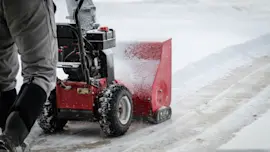
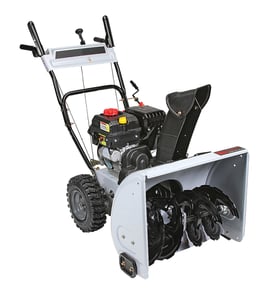
Most 26-inch two-stage gas snowblowers weigh about 180 to 230 lb; your Poulan PR624ES-96192002900 typically falls in that same range depending on engine size, electric start, and build. For the exact shipping and assembled weight, match your unit’s configuration to the parts breakdown.
Typical weight ranges (what to expect)
- Single-stage 26-inch (less common): ~120 to 170 lb
- Two-stage 26-inch (most common): ~180 to 230 lb
- Heavy-duty 26-inch with larger engine or track drive: ~220 to 280 lb
What changes the weight on a 26-inch snowblower?
- Engine displacement and starter system (electric start adds weight)
- Steel housing thickness and auger/impeller design
- Drive system (friction disc wheels vs. track drive)
- Added features (heated grips, headlight, power steering)
- Accessories and hardware installed
Quick comparison table
| Snowblower type | Typical 26-inch weight | Handling notes |
|---|---|---|
| Single-stage | 120 to 170 lb | Easier to lift and store |
| Two-stage | 180 to 230 lb | Usually needs ramps or a helper |
| Heavy-duty | 220 to 280 lb | Best moved with ramps or a dolly |
Why it matters
Weight affects how easily you can load the snowblower into a truck, move it up ramps, and control it on slopes. It also helps when choosing a replacement drive belt, gearbox, or chute parts because heavier-duty builds often use different hardware and driveline components.
Parts that can hint at build and duty level
If you are comparing versions of the PR624ES-96192002900, these assemblies are good indicators of a heavier two-stage design:
- Snowblower gearbox 598831601 (auger gearbox kit)
- Snowblower auger drive belt 532408007 (belt-driven auger system)
- Snowblower chute control assembly 532428272 (chute control hardware)
Last updated: January 2026
What is better, a 2 stage or 3 stage snow blower?
A 2-stage snow blower is the better choice for most homeowners because it clears typical driveway snow efficiently using an auger plus an impeller. A 3-stage is better when you regularly face very deep, heavy, or plow-packed snow because its extra accelerator pulls snow in faster and breaks it up more aggressively.
Quick comparison (what changes between 2-stage and 3-stage)
| Feature | 2-stage snow blower | 3-stage snow blower |
|---|---|---|
| Snow processing | Auger feeds impeller | Accelerator feeds auger and impeller |
| Best for | Most driveways, frequent storms | Deep, wet, icy, plow berms |
| Clearing speed | Fast | Faster in extreme conditions |
| Cost and complexity | Lower | Higher |
| Maintenance | Fewer moving parts | More moving parts |
How we recommend choosing for a Poulan PR624ES-96192002900
Use these practical decision points:
- Choose 2-stage if you clear a standard driveway, get moderate snowfall, and want simpler upkeep.
- Choose 3-stage if you often hit dense end-of-driveway piles from plows or repeated freeze-thaw cycles.
- If storage space is tight, 2-stage units are typically easier to park and maneuver.
- If you want fewer wear items to service, 2-stage is usually the better long-term ownership experience.
- If you already own a 2-stage and it struggles, check condition and adjustment of the auger drive system before upgrading.
Why it matters (performance and repair costs)
The “better” machine is the one that matches your snow conditions. A 3-stage can reduce time in extreme snow, but it also adds components that can wear, loosen, or need adjustment over time.
Parts that commonly affect real-world performance
If your 2-stage snow thrower is not throwing far or the auger feels weak, these parts are often involved:
- Snowblower auger drive belt 532408007 (slipping, stretched, glazed)
- Shear pins (if equipped), pulleys, and cable adjustments
- Chute components and discharge area buildup (packed snow reduces distance)
Simple “upgrade test” before you buy a 3-stage
| Symptom | Often fixed by | Upgrade more likely needed when |
|---|---|---|
| Auger stops under load | Belt replacement or adjustment | You routinely hit plow berms and wet snow |
| Poor throwing distance | Clearing clogs, belt, impeller condition | Snow is consistently heavy and deep |
| Slow clearing | Technique and maintenance | You need maximum intake speed |
Last updated: January 2026
What is the typical lifespan of a gas snowblower?
A gas snowblower like the Poulan PR624ES-96192002900 typically lasts 10 to 15 years with normal residential use and consistent maintenance. With excellent off-season storage and timely wear-part replacement, many machines reach 15 to 20 years of service.
What most affects lifespan
- Fuel care: fresh fuel, correct storage, and avoiding stale gas in the carburetor
- Oil changes: clean oil reduces engine wear and hard starting
- Belt condition and adjustment: slipping belts overheat and wear faster
- Auger/impeller load: frequent heavy, wet snow shortens component life
- Corrosion control: salt and moisture can seize fasteners and damage housings
Maintenance checklist that adds years
- Change engine oil on schedule and check level before each season
- Use fuel stabilizer for storage; run the engine briefly to circulate treated fuel
- Inspect and replace worn drive components such as the snowblower auger drive belt 532408007
- Check chute and auger area for packed snow or debris after use
- Store indoors or under a breathable cover; keep the machine dry
Common wear items and what they tell you
| Symptom | Likely wear area | What to do |
|---|---|---|
| Auger stops under load | Belt slipping or stretched | Inspect belt, replace if glazed/cracked |
| Poor throwing distance | Impeller/auger wear or blockage | Clear buildup, inspect impeller and housing |
| Excess vibration | Loose hardware or damaged rotating parts | Tighten fasteners, inspect auger/impeller |
| Hard starting after storage | Fuel varnish in carburetor | Drain old fuel, clean fuel system |
Why it matters
A snowblower’s engine can last a long time, but performance usually drops first from neglected fuel, worn belts, and corrosion. Replacing wear parts early helps protect bigger assemblies (gearbox, auger housing, chute components) and keeps the machine reliable during storms.
Last updated: January 2026