Owner’s manual
 Error Codes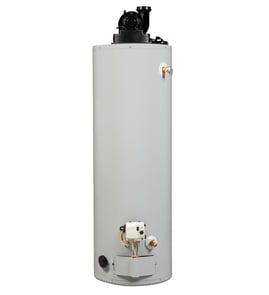






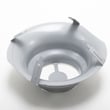
Can you replace parts on a water heater?
Yes. On the American water heater model FG1H4040T3NOV, we can replace many service parts (such as the pilot/ignition components, drain valve, draft hood, and the temperature and pressure relief valve) to restore operation and extend service life. Tank leaks or flood damage are different; those typically require full heater replacement per the FG1H4040T3NOV use & care manual.
Parts you can commonly replace on FG1H4040T3NOV
These are typical repairable items on this gas model:
- Pilot/ignition parts (when the pilot will not light or will not stay lit)
- Temperature and pressure relief valve (when it drips or will not reseat)
- Drain valve (when it leaks or will not open/close)
- Draft hood (when damaged or missing during venting service)
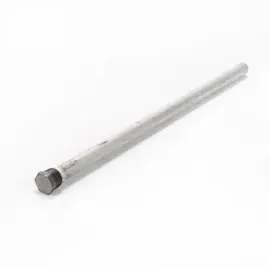
- Anode rod (maintenance item that helps slow tank corrosion)
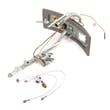
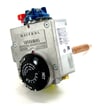
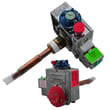
Model-matched examples from our parts list:
Safety steps we follow before any repair
Gas water heater repairs can involve fire, explosion, scalding, and carbon monoxide risks. We follow the shutdown and lighting guidance in the FG1H4040T3NOV use & care manual and use a qualified technician for gas control and combustion-related service.
- Turn the gas control to OFF before disassembly
- Let hot water cool; relieve pressure before opening any water connection
- Verify venting is intact and unobstructed before operating
- Leak test gas connections after reassembly (approved leak test solution)
- Never cap or plug a relief valve discharge line
Repair vs. replace: quick decision guide
| Situation | Usually makes sense to repair | Usually makes sense to replace |
|---|---|---|
| Pilot will not stay lit | Yes (pilot/ignition service) | No |
| T&P valve dripping | Yes (valve or expansion issue) | No |
| Drain valve leaking | Yes | No |
| Tank is leaking from the body | No | Yes |
| Heater has been under water | No | Yes |
Why it matters
Replacing the right part can restore safe ignition, proper venting, and pressure protection. On a gas water heater like FG1H4040T3NOV, those items directly affect reliability and safe operation.
Last updated: January 2026
How much should a 40 gallon gas hot water heater cost?
A new 40-gallon gas water heater like the American FG1H4040T3NOV typically costs about $600 to $1,500 for the unit, with installed cost commonly $1,500 to $3,500+ depending on venting, gas-line work, and local labor rates. Your exact total is driven more by installation requirements than the tank itself.
Typical price ranges (unit vs. installed)
Here are realistic ranges we see for 40-gallon gas water heaters in the U.S. market.
- Tank only (40-gallon gas): $600 to $1,500
- Basic installation labor: $700 to $2,000
- Common add-ons (as needed): $200 to $1,500+
- Total installed (most homes): $1,500 to $3,500+
| Cost item | Typical range | What changes the price |
|---|---|---|
| Water heater (40-gal gas) | $600 to $1,500 | Efficiency level, warranty length, brand tier |
| Installation labor | $700 to $2,000 | Access, code requirements, haul-away |
| Venting updates | $0 to $1,000+ | Chimney liner, Type B vent, draft issues |
| Gas piping/valve work | $0 to $600+ | New shutoff valve, drip leg, pipe resizing |
What matters specifically for model FG1H4040T3NOV
For the American FG1H4040T3NOV, cost can rise if your install needs venting or combustion-air changes. The use and care information also emphasizes correct venting and gas piping practices; we recommend reviewing the FG1H4040T3NOV use & care manual before planning replacement or major work.
Quick checklist to estimate your installed cost
- Same-location swap (existing gas, water, and vent line up): usually lowest cost
- Venting changes (new vent connector, chimney work): adds cost quickly
- Closed plumbing system (needs expansion control): may add parts and labor
- Water damage prevention (drain pan, drain line): may be required in some installs
- Permits/inspection: varies by area
Why it matters
A low “tank price” can be misleading; gas water heater installs often require venting, gas-supply, and safety updates. Budgeting for those items helps avoid delays and ensures safe operation.
Last updated: January 2026
Is it cheaper to repair or replace a water heater?
For the American gas water heater model FG1H4040T3NOV, it’s usually cheaper to repair when the issue is a replaceable component and the tank is not leaking. Replacement is typically the better value when the tank is leaking, badly rusted, or repair costs approach half the price of a new unit.
Quick decision guide (repair vs. replace)
- Repair if you have:
- No tank leak (water is not coming from the tank body)
- A single, clear failure such as ignition problems or a dripping relief valve
- Generally stable hot water performance aside from the current symptom
- Replace if you have:
- A leaking tank (water seeping from the tank itself, not a fitting)
- Heavy rust/corrosion around the tank or burner area
- Repeated breakdowns in a short period
- Major safety or venting concerns that require extensive rework
Common repairs that are often cost-effective
On FG1H4040T3NOV, these are examples of repairs that are often cheaper than replacement when the tank is sound:
- Replacing a leaking or weeping relief valve with the correct t&p valve 100108279
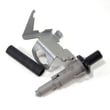
- Fixing pilot ignition issues by servicing or replacing the water heater pilot igniter 100110927
- Replacing a leaking drain outlet using the drain valve 100109106
- Improving vent connection fitment by replacing a damaged draft hood 100111362
Cost comparison (typical scenarios)
| Situation | Usually cheaper option | Why |
|---|---|---|
| Pilot will not light or stay lit | Repair | Often limited to ignition components and basic cleaning/adjustment |
| T&P relief valve dripping | Repair | Valve replacement is straightforward compared to full replacement |
| Water in drain pan from tank body | Replace | A tank leak is not a practical repair |
| Multiple parts failing repeatedly | Replace | Costs add up and reliability drops |
Why it matters
A gas water heater with a leaking tank can cause property damage and typically cannot be restored to reliable service. When the tank is solid, targeted repairs can restore safe operation and extend service life at a much lower cost than a full replacement.
Model-specific tips for FG1H4040T3NOV
We recommend following the lighting, venting, and safety steps in the FG1H4040T3NOV use & care manual before attempting any checks around the burner, pilot, or gas control.
Last updated: January 2026
What is the average labor cost to install a 50 gallon gas water heater?
For an American water heater model FG1H4040T3NOV, the manual focuses on safe installation steps and code requirements, but it does not list labor pricing. In most U.S. markets, average labor to install a 50-gallon gas water heater is about $600 to $1,500, with higher costs when venting, gas piping, or code upgrades are needed; see the FG1H4040T3NOV use & care manual for installation requirements that can affect labor time.
What usually changes the labor price
Labor varies mainly by how much work is needed beyond swapping the tank:
- Venting work (new vent connector, chimney/Type B vent changes, added clearances)
- Gas line modifications (new shut-off valve, drip leg, union, pressure testing)
- Water piping changes (new shut-off valve, unions, expansion tank for closed systems)
- Location/access (attic, tight closet, long carry, stairs)
- Permits and inspection (often required for gas appliances)
- Disposal/haul-away of the old heater
Typical labor scenarios (labor only)
| Install scenario | What it usually includes | Typical labor range |
|---|---|---|
| Straight replacement | Disconnect/reconnect water and gas, basic start-up | $600 to $900 |
| Replacement with code updates | Add/relocate shut-off, drip leg, expansion tank, minor vent fixes | $900 to $1,300 |
| Complex install | Significant venting changes, gas line reroute, difficult access | $1,300 to $1,500+ |
Why it matters for FG1H4040T3NOV
This model is a gas water heater, so installers must verify safe combustion air and venting, and leak-test the gas connection. Those steps are non-negotiable and can add time if your existing venting or gas piping is not up to current code.
Parts that can add labor if they need replacement
If the installer finds a safety component leaking or not operating correctly, labor can increase because the system may need repair before start-up:
- T&p valve 100108279 (temperature and pressure relief valve)
- Draft hood 100111362 (connects the heater to the vent system)
- Drain valve 100109106 (used for draining during replacement and service)
Last updated: January 2026
What is the average lifespan of a gas water heater?
A standard gas tank water heater typically lasts 8 to 12 years. For your American Water Heaters FG1H4040T3NOV, the exact lifespan depends most on water quality, maintenance (especially flushing and anode rod condition), and correct venting and combustion air setup described in the FG1H4040T3NOV use & care manual.
What affects lifespan the most
- Anode rod condition; a depleted rod speeds up tank corrosion
- Sediment buildup; reduces efficiency and can overheat the tank bottom
- Water chemistry (hard water, high chlorides); increases corrosion risk
- Operating temperature; higher settings increase stress and scale
- Installation quality (venting, combustion air, gas pressure); poor setup shortens life
Maintenance that helps you reach (or beat) the average
Use the schedule below as a practical baseline for FG1H4040T3NOV-STYLE gas heaters.
| Task | Typical frequency | What it helps prevent |
|---|---|---|
| Flush a few gallons from the drain valve | Every 6-12 months | Sediment, rumbling, reduced recovery |
| Inspect/replace anode rod | Every 2-5 years | Premature tank rust-through |
| Check T and P relief valve discharge line and for dripping | Every 6-12 months | Overpressure issues, nuisance leaking |
| Visual check of burner area and draft hood | Every 6-12 months | Poor combustion, venting problems |
If you are planning proactive upkeep, the water heater anode rod 100109594 is one of the key wear items that can extend tank life when replaced before it is fully consumed.
Signs your gas water heater is near end of life
- Rust-colored water or metallic taste (especially on hot side)
- Water in the drain pan or unexplained moisture around the tank base
- Popping or rumbling sounds that return quickly after flushing
- Frequent pilot or burner issues combined with age over 10 years
Why it matters
Replacing a failing tank before it leaks helps avoid water damage and keeps hot water recovery and efficiency consistent. Regular anode rod checks and light flushing are usually the highest-impact steps for extending service life.
Last updated: January 2026
What is the most common problem with a gas water heater?
For the American Water Heaters FG1H4040T3NOV gas water heater, the most common issue we see is sediment buildup in the bottom of the tank, which reduces heating efficiency and can contribute to rumbling noises, inconsistent hot water, and premature wear on internal components. See maintenance guidance in the FG1H4040T3NOV use & care manual.
What sediment buildup looks like (and what you may notice)
- Popping, crackling, or rumbling sounds during burner operation
- Hot water runs out faster than it used to
- Water temperature fluctuates more than normal
- Cloudy or gritty water when you first open a hot faucet
- Higher gas usage because the burner runs longer
What to do first (safe, practical steps)
- Lower the thermostat setting to reduce overheating and scaling.
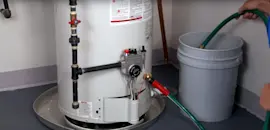
- Flush the tank periodically to remove loose sediment (follow the draining and safety steps in the FG1H4040T3NOV use & care manual).
- If you see water collecting under the heater, check the drain pan and piping connections.
- If the temperature and pressure relief valve is dripping, do not cap it; have the cause corrected.
Parts that commonly relate to “common problems”
Sediment itself is a maintenance issue, but these parts often come up when symptoms appear:
| Symptom | Commonly involved component | Example compatible part for FG1H4040T3NOV |
|---|---|---|
| Dripping from discharge pipe | Temperature and pressure relief valve | T&p valve 100108279 |
| Rusty water, faster tank corrosion | Anode rod | Water heater anode rod 100109594 |
| Water won’t drain well during flushing | Drain valve | Drain valve 100109106 |
Why it matters
Sediment acts like an insulating layer between the burner heat and the water. That makes your FG1H4040T3NOV work harder, increases operating cost, and can shorten the life of the tank and gas components.
Last updated: January 2026