
What is the life expectancy of a range hood?
Most range hoods, including the Roper 0773B10, last about 15 years. A typical life expectancy range is 10 to 20 years, and the biggest factors are how often you cook, how well grease is managed, and whether airflow stays clear through the filter and venting.
- Grease and filter loading: clogged filters make the fan work harder.
- Cooking frequency and heat: daily frying and high-heat cooking shorten lifespan.
- Vent path restrictions: a stuck damper or blocked duct reduces airflow.
- Switch wear: push buttons and fan/light switches wear out with use.
- Cleaning habits: regular cleaning prevents buildup on the blower and housing.
Keeping airflow strong is the best way to protect the motor and controls.
- Clean or replace filters on a routine schedule.
- Wipe grease from the hood underside and fan intake area.
- Confirm the damper opens freely and closes when the fan is off.
- Avoid running the fan with heavily clogged filters.
- Replace worn controls promptly to prevent intermittent operation.
| What you notice | Likely part to check | Why it matters |
|---|---|---|
| Weak airflow or backdraft | Range hood vent damper cover S98005221 | Helps maintain proper exhaust flow and prevents backdraft issues |
| Buttons stick or do not respond | Push button S99110571 | Restores reliable fan/light control |
| Poor odor control in ventless setup | Range hood ventless filter S97007809 | Improves recirculating filtration and reduces grease/odor buildup |
A range hood is usually worth repairing when the housing is solid and the issue is limited to a wearable part (filter, damper, or switch). Replacement becomes more practical when multiple functions are failing or the motor is noisy and airflow stays weak even after cleaning.
A range hood that moves air properly reduces grease buildup in the kitchen and helps protect cabinets, walls, and the hood motor itself. Good airflow also keeps cooking odors and smoke under control.
Last updated: February 2026
Can range hoods be repaired?
Yes. Most problems on a Roper range hood like model 0773B10 are repairable by troubleshooting the power and controls, cleaning or replacing filters, and replacing common wear parts such as a switch button or damper components instead of replacing the entire hood.
Many range hood issues come down to a few serviceable parts and basic maintenance.
- Fan runs but airflow is weak (filter clogged, damper stuck, duct restriction)
- Fan will not run (switch issue, wiring connection, motor problem)
- Lights do not work (bulb, socket, switch)
- Buttons stick or do not respond (worn control button)
- Excess noise or vibration (loose mounting, blower wheel buildup, motor wear)
If your hood is not venting well, start with the filter and damper. For this model, a common replacement is the range hood vent damper cover S98005221.
Always shut off power at the breaker before opening the hood.
- Confirm power: Check the breaker and any wall switch that feeds the hood.
- Check the filter: Clean grease filters; replace charcoal style ventless filters when saturated.
- Inspect the damper: Make sure it opens freely and is not blocked by grease or debris.
- Test the controls: If a button sticks or will not latch, the control button may be worn.
- Listen to the motor: Humming with no airflow can point to a stuck blower wheel or failing motor.
For button-related issues on 0773B10, the push button S99110571 is a common fix.
| Symptom | Most common cause | Typical repair |
|---|---|---|
| Fan not pulling much air | Clogged filter or stuck damper | Clean or replace filter; free damper |
| Fan does not work | Failed switch or motor | Test switch; replace switch or motor |
| Hood is ventless and smells linger | Saturated charcoal filter | Replace ventless filter |
If your hood is set up for recirculating (ventless) operation, the range hood ventless filter S97007809 is the key maintenance part.
Repairing a range hood restores smoke and grease capture, helps protect cabinets and walls, and keeps the fan motor from overworking due to restricted airflow.
For step-by-step diagnosis when the blower will not run, use our range hood fan doesn't work troubleshooting guide.
Last updated: February 2026
Should your range hood be the same size as your cooktop?
Your range hood does not need to be the exact same size as your cooktop. For the best capture of smoke, steam, and grease on a Roper 0773B10 range hood setup, we recommend a hood that is at least as wide as the cooktop; going 3 to 6 inches wider often improves ventilation performance.
Use these practical rules when choosing a hood size for your cooking surface:
- Minimum width: hood width should be equal to or wider than the cooktop.
- Better capture: choose a hood 3 to 6 inches wider than the cooktop when space allows.
- Depth matters: deeper hoods capture better; the front edge should cover the front burners as much as possible.
- Match the cooking style: frequent high-heat cooking benefits from more coverage and stronger airflow.
- Ducted vs. ventless: ducted systems usually perform better; ventless setups rely heavily on a clean charcoal filter.
| Hood width choice | What you get | Best for |
|---|---|---|
| Same width as cooktop | Clean look, fits tight spaces | Light to moderate cooking |
| 3 to 6 inches wider | Better smoke and grease capture at the edges | Frequent cooking, high heat, frying |
A hood that is too narrow lets smoke and grease escape around the sides, which can leave odors in the kitchen and increase buildup on cabinets. If your hood is ventless, keeping the filter fresh is especially important for odor control; the range hood ventless filter S97007809 is the key wear item for that style of installation.
If your hood still seems weak even with good sizing, these checks usually help:
- Clean or replace the ventless filter (if equipped)
- Confirm the damper opens freely and is not stuck
- Check for crushed ducting or a blocked exterior vent (ducted setups)
- Verify the fan speeds change correctly at the control buttons
For step-by-step diagnostics, use our range hood fan not pulling much air guide.
Last updated: February 2026
What are the parts of a rangehood?
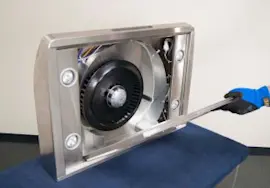
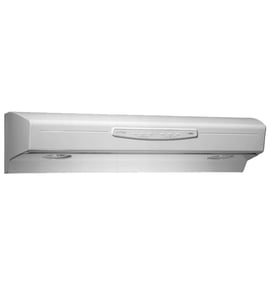
A typical range hood (including the Roper 0773B10) is made up of a hood body, a blower fan system, filters, lighting, and controls; some models also include ducting and a damper for venting outside or a charcoal-style filter for ventless (recirculating) operation.
- Hood canopy (housing): the metal body that mounts under a cabinet or on the wall
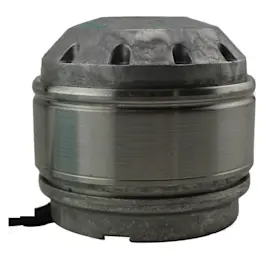
- Blower fan and motor: pulls smoke, steam, and odors through the hood
- Grease filter: captures grease before it reaches the blower and ductwork
- Vent damper (on ducted setups): helps prevent outside air from backdrafting into the kitchen
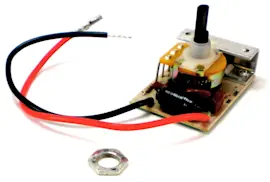
- Control panel or switches: fan speed and light controls (often push buttons)
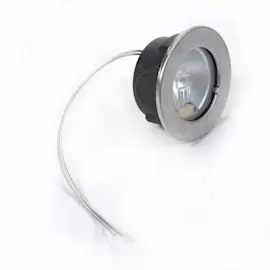
- Light assembly: bulb(s), lens, and sometimes a light socket
- Ducting or vent cover (ducted setups): routes air outside
- Ventless (recirculating) filter (ventless setups): helps reduce odors when air is returned to the room
These are examples of real replacement parts available for this model:
| Part | What it does | When it’s commonly needed |
|---|---|---|
| Range hood vent damper cover S98005221 | Covers and supports the damper area for venting | Damper cover is cracked, missing, or not sealing well |
| Push button S99110571 | Operates fan or light functions | Button sticks, breaks, or won’t actuate the switch |
| Range hood ventless filter S97007809 | Filters odors in recirculating mode | Odors linger, filter is saturated, or airflow is restricted |
Knowing the major range hood parts helps you match symptoms to the right repair. For example, weak airflow often points to a clogged filter or venting issue, while a fan that will not start often points to a control or motor problem.
- Confirm whether your hood is ducted (vents outside) or ventless (recirculates).
- Clean or replace the grease filter; heavy buildup can reduce airflow.
- Check that the damper opens freely and is not blocked.
- If buttons are sticky or broken, inspect the control buttons/switches.
- If the fan runs but airflow is low, inspect the ducting for kinks or blockage.
For symptom-based help, use our DIY guide: what are the most common range hood parts that need replacing.
Last updated: February 2026