Owner’s manual





What is the downside of a washer/dryer combo?
The main downside of an all-in-one washer/dryer combo like the LG WM3997HWA is longer total laundry time because you cannot wash and dry separate loads at the same time; drying also requires a smaller load than washing for best results (often about half a wash load).
- No multitasking: one drum means you cannot start the next wash while the current load dries.
- Longer day-of-laundry time: back-to-back wash and dry cycles can make multiple loads take most of the day.
- Reduced drying capacity: this model’s manual notes the washer can wash about twice as much as it can dry; for effective drying, reduce the load and remove about half before starting the dry cycle.
- More load sorting: mixed fabrics and thicknesses dry unevenly; similar items dry more consistently.
- Overloading hurts performance: when items cannot tumble freely, drying time and results get worse.
Use these settings and habits to reduce the biggest combo drawbacks:
- Wash a full load, then remove about half before you start drying.
- Choose a DRY option that matches the fabric (LOW TEMP for delicates; NORMAL for cotton/towels; MORE for heavier items).
- Keep fabric types similar in each dry load (similar thickness dries more evenly).
- Avoid packing the drum; items must tumble freely.
- Use timed dry (30/60/90/120 minutes) when you want predictable run time.
| Task | What works best | What happens if you ignore it |
|---|---|---|
| Washing | Full, properly loaded drum | Poor cleaning and excess suds if overloaded |
| Drying | About half of a wash load | Longer dry times, damp spots, more wrinkling |
Most “combo complaints” come from expecting it to behave like a separate washer and dryer set. Once you plan for smaller dry loads and longer sequential cycles, you get more consistent drying and fewer re-runs. For model-specific drying options and load guidance, follow the owner's manual.
Last updated: February 2026
What is the lifespan of an LG washer and dryer?
Most LG washer and dryer units last 10 to 15 years with normal household use and basic maintenance. For your LG WM3997HWA laundry center/combo, consistent cleaning (especially tub cleaning) and preventing mineral buildup are key to reaching the high end of that range; see the owner's manual.
A laundry center/combo’s service life depends more on usage and care than the brand name on the badge.
- Loads per week: more cycles equals more wear on the motor, pump, and door system
- Water quality: hard water scale shortens component life if not managed
- Ventilation and drying habits: overdrying and restricted airflow add stress
- Detergent use: too much detergent can cause residue and odors that lead to extra cleaning cycles
- Leveling and vibration: excessive shaking accelerates wear on suspension parts
Your manual notes an automatic tub-clean reminder that typically appears every 1 to 2 months, depending on use. Running the Tub Clean cycle on schedule helps prevent buildup and odors.
- Run Tub Clean when the reminder appears
- Keep the dispenser drawer closed when not filling to reduce flooding risk
- If you have hard water, remove mineral buildup periodically; a water softener helps
- Wipe the door seal area and leave the door slightly open between loads (helps reduce moisture)
- Check hoses periodically for wear and replace on a regular schedule
| Age of unit | What’s common | What to do |
|---|---|---|
| 0 to 5 years | Minor adjustments, cleaning | Stay on Tub Clean and basic care |
| 5 to 10 years | Wear items show up (pumps, valves, locks) | Address symptoms early to prevent secondary damage |
| 10 to 15 years | Higher chance of major repairs | Compare repair cost vs. remaining service life |
Knowing the typical 10 to 15 year lifespan helps you decide when a repair is a smart investment. For example, drainage issues caught early can prevent leaks and reduce strain on the drive system.
Last updated: February 2026
Where is the filter on my LG washer dryer combo?
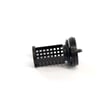
On the LG WM3997HWA washer dryer combo, the “filter” most owners mean is the water inlet screen filters located inside the hot and cold water inlet ports at the back of the unit where the fill hoses connect. Some drain-related cleaning is also done at the drain pump cleanout area. See the owner's manual for the exact access steps and safety notes.
- Water inlet filters (screens): inside the washer’s water inlet ports (rear of the unit, behind the fill hoses).
- Drain pump cleanout area: used to remove debris if the unit drains slowly; the manual describes opening the drain pump plug cap and removing dirt.
- Detergent dispenser drawer: not a filter, but it is a common maintenance area (rinse with water only).
- Turn the washer off, unplug it, and turn off both faucets.
- Remove the hot and cold fill hoses from the back of the washer.
- Pull the small screen filter out of each inlet.
- Rinse debris away; for mineral buildup, soak the screens in white vinegar, then rinse.
- Reinstall the screens, reconnect hoses, and check for leaks.
| Symptom | Most likely “filter” area | What to do first |
|---|---|---|
| Won’t fill or fills slowly | Water inlet screen filters | Clean inlet screens; confirm faucets fully open |
| Drains slowly or not at all | Drain pump cleanout area | Open the pump plug cap and remove debris |
| Rattling/clanking during wash | Tub or drain area | Stop cycle; check for coins/keys; clean debris from drain area |
If cleaning does not restore normal operation, these parts are commonly involved:
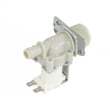
- LG washer single-solenoid water inlet valve 5220FR2006H (filling issues)
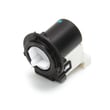
- Drain pump motor (4681EA2001T) - washer part by LG electronics 4681EA2001T (draining issues)
- Washer tub-to-pump hose 4738ER1002A (clogs or restricted flow)
Clogged inlet screens can cause low water flow and error conditions tied to weak water pressure, and drain-area debris can cause slow draining, noise, and incomplete cycles. Keeping these areas clean helps prevent leaks and nuisance stoppages.
Last updated: February 2026
Can you unstack an LG WM3997HWA washer and dryer?
No. The LG WM3997HWA is a single-piece washer and dryer combo (one cabinet), so there is nothing to unstack like a traditional stacked laundry center. If you need to move it, you remove shipping and mounting hardware only as described in the owner's manual.
Before any work, unplug the power cord and turn off both water faucets.
- Disconnect the hot and cold fill hoses; keep a towel or shallow pan ready for residual water.
- Drain remaining water from the unit (use the drain path and pump access method shown in the manual).
- If the unit will be transported, reinstall shipping bolts and packing materials (prevents tub damage).
- Protect floors and the door; keep the door closed and secured during moves.
- If the washer will not drain, check for a clog first; a failed pump is a common cause.
Many videos show removing screws and sliding a dryer off a washer. That applies to two separate appliances in a stacked kit. WM3997HWA is a combo unit, so the cabinet, drum, and controls are integrated.
| Setup type | What it looks like | Can you unstack it? | Typical hardware involved |
|---|---|---|---|
| Stacked washer + dryer | Two separate machines, dryer sits on top | Yes | Stacking kit, brackets, screws |
| Washer/dryer combo (WM3997HWA) | One machine does wash and dry | No | Shipping bolts (for transport), service panels |
Trying to “unstack” a combo unit can lead to cabinet damage, wiring harness damage, leaks, or a door seal problem. Using the correct transport and service steps protects the tub suspension and helps prevent drain and vibration issues.
If your reason for “unstacking” is a drain issue or a move-related leak, these model-specific parts are often involved:
- Drain pump motor (4681EA2001T) - washer part by LG electronics 4681EA2001T
- Washer tub-to-pump hose 4738ER1002A
- Washer/dryer combo door boot MDS63711203
Last updated: February 2026