Owner’s manual
 Error Codes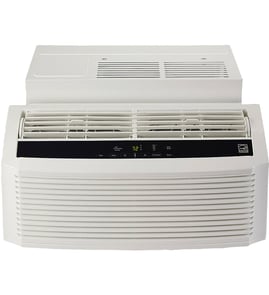



Does my LG portable air conditioner need to be drained?
Yes. Your LG LP1015WNR portable air conditioner can need draining when humidity is high or when the internal collection tank fills; at that point, you drain water from the rear drain port near the bottom. For exact steps and indicators, follow the LP1015WNR owner's manual.
When you typically need to drain it
Portable ACs like the LP1015WNR manage moisture from the air; most of the time they evaporate or sling it off during operation, but they can still collect water.
Common situations that require draining:
- Very humid weather or long run times
- The unit stops cooling well and shuts off to prevent overflow
- You see water in the base pan area or notice sloshing when moving the unit
- The unit has been stored or moved and you want to empty it before transport
Basic drain procedure (safe, homeowner-friendly)
- Turn the unit off and unplug it.
- Move it to a location where water can be captured (shallow pan) or safely directed.
- Locate the drain port on the back of the unit near the bottom.
- Remove the drain plug and let water flow out fully.
- Reinstall the plug securely before restarting.
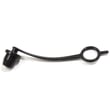
If your drain plug is missing or damaged, use the exact replacement room air conditioner drain plug COV30330403.
Quick troubleshooting: drain-related symptoms
| What you notice | What it usually means | What to do |
|---|---|---|
| Water leaking onto the floor | Unit not level, plug not sealed, or pan overfilled | Level the unit; reseat plug; drain tank |
| Musty odor | Standing water and dust buildup | Drain; clean filter; dry unit |
| Weak cooling with high humidity | Coil airflow restriction or tank full | Clean filter; verify exhaust; drain |
Why it matters
Draining when needed helps prevent leaks, reduces odor, and keeps airflow and cooling performance steady. It also protects internal components from sitting in water.
Last updated: January 2026
What is the life expectancy of a LG portable air conditioner?
Most LG portable air conditioners, including model LP1015WNR, typically last 5 to 10 years with normal household use. Regular filter cleaning, correct venting, and keeping the coils and drain system clear are the biggest factors that help you reach the high end of that range.
What affects lifespan the most
- Airflow maintenance: Clean the filter regularly so the fan motor and compressor are not overworked.
- Proper exhaust venting: A kinked or leaking hose makes the unit run longer and hotter.
- Drain and humidity control: Standing water can lead to odors, corrosion, and performance issues.
- Clean coils and fins: Dust buildup reduces heat transfer and increases run time.
- Electrical protection: Stable power helps protect the control and compressor.
Quick maintenance checklist (best ROI)
- Clean and reinstall the air filter on schedule (or replace it if damaged).
- Inspect the exhaust setup for cracks, loose connections, or crushing.
- Keep the unit level and ensure the drain path is clear.
- Vacuum dust from intake grilles and keep clearance around the unit.
- Follow the cleaning and storage steps in the LP1015WNR owner’s manual.
Common parts that impact performance
If cooling is weak or the unit runs constantly, these are frequent wear or setup items to check first:
| What you notice | Often related to | Example part for LP1015WNR |
|---|---|---|
| Poor cooling, long run times | Venting restriction or leaks | Room air conditioner exhaust hose COV32305701 |
| Musty smell, reduced airflow | Dirty or damaged filter | Room Air Conditioner Air Filter (COV30332815) |
| Water leaking or not draining | Drain system issue | Room Air Conditioner Drain Plug (COV30330403) |
Why it matters
A portable air conditioner that is forced to run with restricted airflow or poor venting can overheat and short-cycle, which accelerates wear on the compressor, fan motor, and controls. Simple upkeep often adds years of reliable cooling.
Last updated: January 2026
Is the LG portable air conditioner any good?
The LG LP1015WNR portable air conditioner is a solid choice for cooling a small to medium room when it’s installed correctly and maintained regularly. Most owners like the fast cooling and convenience features, but portable units commonly run louder than central air or mini-splits.
What “good” looks like for this model
We judge a portable room air conditioner like the LP1015WNR on comfort, reliability, and day-to-day usability.
- Cools best when the exhaust is short, straight, and well-sealed at the window
- Performs better after the air filter is cleaned on schedule
- Noise is normal, especially when the compressor is running
- Works best with doors closed and blinds/curtains reducing heat load
- Needs periodic draining or proper condensate handling depending on humidity
Quick setup and maintenance checklist
Use the LP1015WNR owner's manual for the exact operating steps, safety guidance, and care instructions.
- Confirm the window kit is tight and sealed (air leaks reduce cooling)
- Keep the exhaust hose as short as possible and avoid kinks
- Clean the air filter regularly; restricted airflow causes weak cooling and icing
- Leave clearance around the unit for airflow (intake and discharge)
- If you see water collecting, check the drain setup and plug condition
Common “good vs not so good” expectations
| What you want | What to check first | Typical fix |
|---|---|---|
| Strong cooling | Window seal and exhaust routing | Reseat the kit, shorten/straighten hose |
| Lower noise | Fan speed and placement | Use a lower fan setting, move away from bed/desk |
| No leaks | Drain path and plug | Inspect/replace the room air conditioner drain plug COV30330403 |
| Better airflow | Filter condition | Clean or replace the room air conditioner air filter COV30332815 |
Why it matters
Portable air conditioners are very sensitive to installation details. A small gap in the window panel or a crushed exhaust hose can make a “good” unit feel underpowered, while a clean filter and tight venting can make the same unit cool quickly and consistently.
Last updated: January 2026
What is the common problem of an LG air conditioner?
The most common problems we see with an LG room air conditioner like model LP1015WNR are weak or no cooling, water leaking, and the unit not starting. In many cases, the fix is basic maintenance (airflow, cleaning, correct setup) rather than a major part failure.
Most common issues and what usually causes them
- Not cooling well: clogged air filter, blocked intake or exhaust airflow, dirty coils, or incorrect mode/temperature settings
- Water leaking or puddles: unit not level, drain system not set up for conditions, or a missing/loose drain plug
- Won’t turn on: power supply issue, tripped breaker, or a control problem
- Unusual noise or vibration: loose panels, debris in the fan area, or a worn blower wheel
- Remote not working: weak batteries, blocked sensor line-of-sight, or a failed remote
Quick checks we recommend first (before replacing parts)
- Confirm the unit is in Cool mode and set several degrees below room temperature.
- Clean or replace the air filter; restricted airflow is the top cause of poor cooling.
- Make sure the exhaust is installed correctly and not kinked; a crushed hose can trap heat indoors.
- Verify the unit is sitting level and the drain setup matches your humidity conditions.
- Power reset: unplug for a few minutes, then restore power and retry.
Parts that commonly relate to these symptoms
| Symptom | Common maintenance fix | Part that may be involved (if damaged) |
|---|---|---|
| Weak cooling | Clean filter, improve airflow | Room air conditioner air filter COV30332815 |
| Hot air stays in room | Straighten and seal exhaust path | Room air conditioner exhaust hose COV32305701 |
| Water leaking | Level unit, verify drain plug | Room air conditioner drain plug COV30330403 |
Error codes and what they mean
If your display shows an error code, use the LG error codes guide to match the code to the likely cause (sensor issue, airflow problem, or control fault) and the next best step.
Why it matters
Portable and room air conditioners depend on steady airflow and proper exhaust routing. When airflow is restricted or hot air is not vented outside, cooling performance drops fast and the unit can ice up or shut down to protect itself.
For model-specific operating and care steps (including cleaning and troubleshooting), follow the LP1015WNR owner’s manual.
Last updated: January 2026