


What is the cost to replace a furnace part?
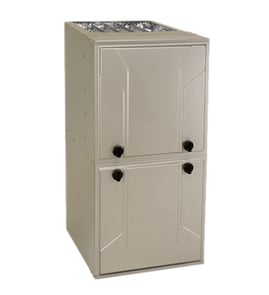
For the Thermal Zone gas furnace model GU080M16B, the total cost to replace a furnace part is usually the price of the part plus labor. Most homeowners spend about $150 to $1,200+ depending on which component failed, access, and whether electrical troubleshooting is needed.
These ranges cover common furnace repairs for units like the GU080M16B.
- Capacitor: $150 to $450
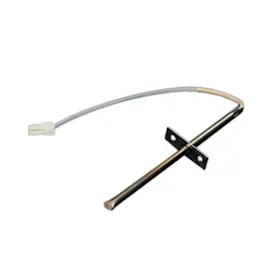
- Flame sensor or igniter: $200 to $600
- Pressure switch: $250 to $650
- Inducer motor: $450 to $1,200+
- Blower motor: $600 to $1,500+
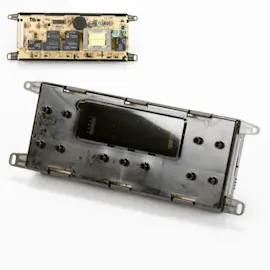
- Control board: $500 to $1,600+
| Repair type | What you usually pay for | Typical total |
|---|---|---|
| Simple electrical part | Part + quick diagnosis | $150 to $450 |
| Mid-level component | Part + testing + setup | $250 to $900 |
| Major motor/control | Part + deeper diagnostics | $600 to $1,600+ |
- Diagnosis time: intermittent no-heat issues take longer to pinpoint
- After-hours service: nights, weekends, and extreme weather calls cost more
- Wiring or connector damage: adds repair time and materials
- Multiple failed parts: common when a motor issue damages a capacitor
- Access and disassembly: tight installs increase labor
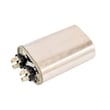
If your GU080M16B needs a run capacitor, the part listed for this model is the capacitor 12908. Add a service call and installation labor to estimate your total. You can order model-matched parts from the parts list for GU080M16B, or search by model number on Sears PartsDirect.
Getting the right part and confirming the failure first helps avoid repeat service calls. For electrical parts like capacitors, testing with a meter before replacement is often the difference between a quick fix and replacing the wrong component.
Last updated: February 2026
What is the most common part to fail on a furnace?
On a Thermal Zone gas furnace like model GU080M16B, the most common “failure” is usually a maintenance item or safety-related component: a clogged air filter, a dirty flame sensor, or an ignition component issue. Electrical parts such as a run capacitor can also fail and stop the blower from running.
These are the parts and conditions we see most often when a furnace will not heat or will short-cycle:
- Air filter (restricted airflow): can overheat the furnace and trip safety limits
- Flame sensor (dirty or failing): burner lights then shuts off after a few seconds
- Ignition system (hot surface igniter or spark): no flame at all
- Thermostat or low-voltage wiring: furnace never gets a heat call
- Run capacitor (blower motor support): blower hums, starts slowly, or will not start
- Safety switches (limit switch, rollout switch): shuts down to prevent overheating
| What you notice | Most likely culprit | What to check first |
|---|---|---|
| Furnace starts then shuts off quickly | Flame sensor or airflow issue | Clean sensor; replace filter |
| Inducer runs but burners never light | Ignition or gas/pressure proving issue | Igniter condition; venting |
| Burners light but no air from vents | Blower, capacitor, or control issue | Blower wheel; capacitor |
| Blower runs but air is not warm | Burner/ignition or airflow | Filter; registers open |
If your blower motor struggles to start or will not keep running, the motor run capacitor is a common, straightforward electrical failure point. For this model, we list a capacitor 12908 that may apply depending on your furnace’s exact configuration.
Many furnace shutdowns are caused by airflow restriction or flame-sensing problems, not a major component failure. Fixing the root cause (filter, sensor cleaning, wiring repair) helps prevent repeat lockouts and protects the heat exchanger and blower motor.
- Match your model number GU080M16B exactly
- Compare the old part’s ratings (especially capacitor microfarads and voltage)
- Replace any damaged connectors or brittle wiring at the same time
- Order from the parts list for this model, or search by model on Sears PartsDirect
Last updated: February 2026
What is the average lifespan of an electric furnace?
An electric furnace lasts 20 to 30 years. Your Thermal Zone GU080M16B is a gas furnace, and gas furnaces typically last 15 to 20 years; that difference matters when you’re deciding whether to repair or replace.
| Furnace type | Typical lifespan | What usually ends it first |
|---|---|---|
| Electric furnace | 20 to 30 years | Heat sequencers/relays, blower motor, wiring connections |
| Gas furnace (Thermal Zone GU080M16B) | 15 to 20 years | Heat exchanger wear, inducer motor, ignition system, control board |
These items have the biggest impact on both electric and gas furnace longevity:
- Replace the air filter on schedule to protect the blower and prevent overheating
- Keep supply and return vents open to maintain proper airflow
- Fix loose or heat-damaged wiring and terminals before they cause failures
- Address blower issues early (hard starts, humming, overheating)
- Keep the cabinet dry; moisture speeds corrosion and electrical problems
Use these indicators to plan next steps:
- Breaker trips, burning electrical smell, or discolored wiring
- Longer run times to heat the home after confirming the filter is clean
- Multiple component failures close together (motor, controls, safety switches)
- Noisy blower, weak airflow, or delayed blower start
A weak run capacitor can make the blower motor struggle to start and run hotter than normal. If you’re troubleshooting blower symptoms on this model, we list the capacitor 12908 as a compatible replacement.
Electric furnaces often justify larger repairs later in life because the core heating system is simpler. Gas furnaces have more combustion and safety components, so age and repair frequency become a bigger factor sooner.
You can order replacement parts for Thermal Zone GU080M16B from the parts list for this model, or search by model number on Sears PartsDirect.
Last updated: February 2026
What is the most expensive part to fix on a furnace?
For a Thermal Zone GU080M16B gas furnace, the most expensive repair is typically a heat exchanger replacement because it involves major disassembly and significant labor time. Other high-cost repairs on furnaces commonly include the blower motor, control board, inducer motor, and gas valve.
These items cost the most because the part is expensive, the diagnosis is time-consuming, or the repair requires extensive teardown.
- Heat exchanger: highest labor time; major internal component
- Blower motor: higher part cost; airflow setup and wiring
- Furnace control board: electronics plus careful wire-by-wire transfer
- Draft inducer motor: venting-related work; gasket/seal checks
- Gas valve: requires precise setup and safety verification
| Component | Why it’s expensive | What you may notice |
|---|---|---|
| Heat exchanger | Most labor; major teardown | Repeated shutdowns, poor heat, unusual noises |
| Blower motor | High part cost; setup time | Weak airflow, overheating, motor noise |
| Control board | Diagnosis plus electronics | No response to heat call, intermittent operation |
| Inducer motor | Venting-related labor | Loud whine, pressure switch problems |
| Gas valve | Precision adjustment and checks | No ignition, burners drop out |
Before replacing a major component, rule out common causes that can mimic bigger failures.
- Replace the air filter; confirm supply and return vents are open
- Confirm the thermostat is set to heat and calling for heat
- Check the furnace service switch and circuit breaker
- Inspect visible wiring for loose connections or heat damage
- If you’re testing voltage or continuity, follow safe meter practices in how to use a multimeter to test electrical parts video
A failed capacitor can prevent a motor from starting and can look like a bad motor. If your furnace motor hums, struggles to start, or starts then stops, check the model-listed capacitor 12908 (part number 621435) as part of your diagnosis.
The “most expensive part” is usually expensive because of labor and correct diagnosis, not just the component price. Confirming airflow, power, and controls first helps prevent replacing a motor or board when the real issue is a simpler electrical part.
You can order replacement parts for your GU080M16B from the parts list for this model, or search by model number on Sears PartsDirect.
Last updated: February 2026