
Why do landscapers take the guard off string trimmers?
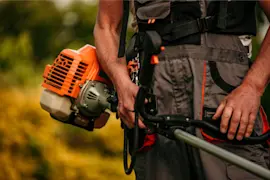
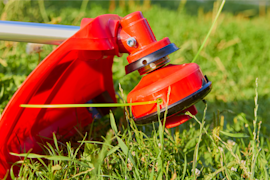
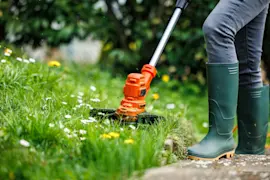
Landscapers often remove the debris guard to cut faster and edge with a clearer sightline, but on the Weed TWIST trimmer it also increases the chance of thrown debris and contact with the spinning line. For most homeowners, keeping the guard installed is the safer, more consistent setup.
What the guard changes (and why pros remove it)
Removing the guard can change how the trimmer behaves in a few predictable ways:
- More line exposure: less restriction around the cutting circle can make trimming feel faster.
- Better visibility: easier to see the edge line along sidewalks and driveways.
- Access in tight spots: less plastic in the way near fences, posts, and landscape edging.
- Less drag and buildup: fewer clippings packed into the guard area.
- Different balance: slightly less weight out at the head.
Tradeoffs and safety impacts
The guard is there to control debris and help keep hands and legs farther from the cutting path. Without it, we see these common downsides:
- More rocks, sticks, and mulch thrown toward the operator
- Higher risk of line strikes to ankles and shins
- More chance of nicking siding, fence pickets, or irrigation tubing
- Faster line wear because more line is exposed to hard surfaces
Quick comparison
| Setup | Best for | Main downside |
|---|---|---|
| Guard on | General trimming, most edging, safer operation | Slightly slower, less visibility |
| Guard off | Speed-focused edging in open areas | More debris, higher injury and property-damage risk |
If you want cleaner edging without removing the guard
We recommend adjusting technique first; it usually delivers the same “pro” look with fewer risks.
- Use a slower, controlled sweep and let the line do the cutting
- Keep the head slightly tilted for edging, not fully vertical unless needed
- Trim in two passes (knock down height, then detail the edge)
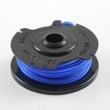
- Replace worn line and keep the spool feeding smoothly
- Wear eye protection, long pants, and closed-toe shoes every time
Why it matters
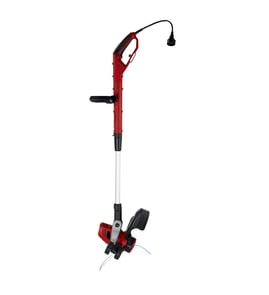
On a cordless electric line trimmer like the Weed TWIST, the guard helps manage debris and keeps the cutting zone predictable. That reduces accidental damage and makes results more consistent, especially around hardscape.
For more DIY safety guidance before any modification or repair, use our are diy appliance repairs safe article.
Last updated: February 2026
Which is better, a 20 volt or 40 volt trimmer?
A 40V trimmer is better for thicker weeds, longer runtime, and larger yards; a 20V trimmer is better for lighter trimming because it’s usually lighter and easier to handle. Your Weed Eater TWIST ’N EDGE model TWIST is a different platform, so use this comparison when choosing a different trimmer voltage class.
Quick comparison: 20V vs 40V
| What you’re doing | 20V trimmer fits best | 40V trimmer fits best |
|---|---|---|
| Light edging and touch-ups | Yes | Sometimes overkill |
| Tall grass and thicker weeds | Sometimes | Yes |
| Yard size | Small | Medium to large |
| Runtime per battery | Shorter | Longer |
| Tool weight | Lighter | Heavier |
How we recommend choosing
- Pick 20V for routine edging, fence lines, and quick weekly cleanup.
- Pick 40V for dense growth, longer sessions, and fewer battery swaps.
- Match the tool to your battery platform if you already own compatible batteries and a charger.
- For heavy weeds, prioritize torque and line feed consistency over the lightest weight.
- For comfort, prioritize balance, handle ergonomics, and guard design.
Why it matters
Voltage is a practical indicator of how well a cordless trimmer maintains line speed under load. Higher-voltage systems typically bog down less in thick grass, while lower-voltage systems typically reduce fatigue for quick trimming.
Helpful DIY reference
If your trimmer has weak power, runs intermittently, or won’t start, use how to use a multimeter to test electrical parts video to check switches, wiring, and basic electrical continuity.
Last updated: February 2026
What is the highest rated cordless string trimmer?
There is no single “highest rated” cordless string trimmer for every yard; the best choice depends on the cutting load, runtime needs, and the battery platform you already own. For your Weed EATER TWIST line trimmer, focus on matching power class and features to how you trim.
What to compare when shopping “top rated”
Use these specs to narrow to the best-performing option for your needs:
- Battery voltage class: 18V to 20V for light trimming; 40V to 60V for heavier weeds
- Cutting swath: wider swaths trim faster; narrower swaths give more control
- Motor type: brushless motors run cooler and typically deliver longer runtime
- Line feed system: bump feed, auto feed, or quick-load heads affect convenience
- Weight and balance: lighter tools reduce fatigue on long sessions
- Edging capability: rotating head or trimmer-to-edger conversion helps with sidewalks
Quick guide: which class fits your yard
| Yard and growth | Typical battery class | What you gain |
|---|---|---|
| Small yard, weekly touch-ups | 18V to 20V | Light weight, easy handling |
| Medium yard, mixed grass | 36V to 40V | Better runtime and torque |
| Thick weeds, fence lines | 56V to 60V | Strong cutting power, faster work |
Why it matters for model TWIST
Choosing by “rating” alone often leads to disappointment (short runtime, not enough torque, or a head that is hard to reload). Matching voltage class, line feed style, and edging features to how you use your Weed EATER TWIST trimmer delivers better real-world results.
Helpful next step
To make sure you are comparing the right accessories and replacement parts for your exact unit, confirm the full model identification using how to find your appliance model number (and what it means for parts).
Last updated: February 2026
Which is better, .080 or .095 trimmer line?
Neither is universally “better”; the better trimmer line is the diameter your Weed Eater TWIST ’N EDGE cordless electric line trimmer head is designed to feed. In general, .080 inch feeds easier and is ideal for grass, while .095 inch lasts longer in heavier weeds but can reduce runtime and cause feed issues if the head is not rated for it.
Quick comparison
| Line diameter | Best use | What you’ll notice | Watch-outs |
|---|---|---|---|
| .080 in | Routine trimming and edging (grass, light weeds) | Smoother feeding, lighter load on motor | Wears faster in thick weeds |
| .095 in | Thicker weeds and tougher edging | More durability, fewer breaks | More drag, can shorten battery runtime, may jam if not compatible |
How we recommend choosing
- Match the diameter printed on the spool, spool cap, guard label, or in the trimmer head.
- If you want longer runtime and easy feeding, choose .080.
- If you regularly cut thick weeds and your head is rated for it, choose .095.
- If line is snapping often, upgrade line quality before going thicker.
- If the head is jamming or not advancing line, go back to the specified diameter and respool neatly.
Compatibility checks for model TWIST
Because “TWIST” is a shortened model identifier, use the physical markings on the trimmer to confirm the correct line size before buying.
- Check the full model tag on the trimmer housing.
- Confirm the diameter marking on the spool or cap.
- Measure a piece of the old line if you still have it.
For help locating the full model identification used for parts matching, use how to find your appliance model number (and what it means for parts).
Why it matters
Using a thicker line than the head is designed for increases drag; that reduces cutting efficiency, shortens battery runtime, and can cause feed problems. Using the specified diameter keeps the trimmer head advancing line consistently.
Last updated: February 2026