
What are the different attachments for a stand mixer?
Most stand mixers, including the Salton KSM035, use a small set of core attachments to handle everything from creaming butter to kneading dough: a flat beater (paddle), wire whisk, and dough hook. Some models also support specialty beaters for specific textures.
Common stand mixer attachments and what they do
- Flat beater (paddle): best for cookie dough, cake batter, frosting, mashed potatoes, and creaming butter and sugar.
- Wire whisk (whip): best for whipping cream, beating egg whites, meringue, and light batters.
- Dough hook: best for kneading yeast doughs like bread, pizza dough, and rolls.
- Flex edge beater (if compatible): a paddle with a flexible scraper edge to reduce bowl scraping.
- Pastry beater (if compatible): helps cut butter into flour for crumbly mixtures.
Quick “which one should I use?” guide
| Attachment | Best for | Typical speed range |
|---|---|---|
| Flat beater | Mixing and creaming | Low to medium |
| Wire whisk | Whipping and aerating | Medium to high |
| Dough hook | Kneading | Low |
Tips to avoid poor results or damage
- Start on low speed to prevent flour or powdered sugar from puffing out of the bowl.
- Use the dough hook on low; high speed can overwork dough and strain gears.
- Stop and scrape the bowl as needed, especially with thick batters.
- If the mixer struggles, reduce batch size; thick doughs can overload smaller mixers.
- Match the attachment to the job; whisking heavy dough or kneading with a whisk can bend parts.
Why it matters
Using the right attachment improves texture (more air with a whisk, better gluten development with a dough hook) and helps protect the mixer’s motor and drive components from overload.
For more DIY safety and best practices before working on or troubleshooting a mixer, see are diy appliance repairs safe.
Last updated: February 2026
What does KSM035 do?
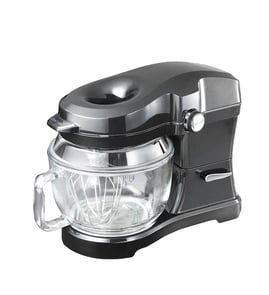
The Salton KSM035 is a stand mixer; it mixes, beats, and whips ingredients for baking and cooking by driving beaters (or other attachments) with an electric motor and geared transmission.
What you can use it for
- Mixing cake, cookie, and brownie batters
- Beating butter and sugar for creaming
- Whipping cream or egg whites (use an appropriate whisk-style attachment if your unit includes one)
- Mixing frostings and light doughs (avoid overloading)
- General kitchen prep where consistent mixing speed matters
Common controls and what they mean
Most stand mixers like the Salton KSM035 use a simple speed control. Here is what the settings typically do:
| Setting type | Typical use | What to watch for |
|---|---|---|
| Low speed | Folding, starting dry ingredients | Reduces flour splash, lowers strain |
| Medium speed | Most batters and creaming | Stop and scrape bowl as needed |
| High speed | Whipping and aerating | Don’t run long with heavy mixtures |
Tips to prevent stalling and overheating
- Start on low speed, then increase gradually
- Keep batches moderate; heavy dough can overload the motor and gears
- Stop periodically to scrape the bowl and beater
- If the mixer smells hot or slows down, turn it off and let it cool 20 to 30 minutes
- Make sure the bowl and attachments are seated correctly before starting
Why it matters
Using the right speed and batch size helps protect the motor, gears, and attachment hub, and it also improves results (better texture, less splatter, more even mixing).
For help confirming you have the correct model before ordering parts, use how to find your appliance model number (and what it means for parts).
Last updated: February 2026
What is the best stand mixer for the price?
For the best stand mixer “for the price,” we recommend choosing based on what you actually mix most often. For everyday cookies, cakes, and frosting, a mid-priced tilt-head mixer is the best value; for frequent bread dough, an all-metal, higher-wattage mixer is the better buy long-term.
How we recommend choosing (value first)
A “best value” stand mixer is the one that matches your workload without paying for capacity you will not use.
- Light use (1 to 2 batches, occasional dough): 3.5 to 5-quart bowl, tilt-head style
- Regular baking (weekly, thicker batters): 5 to 6-quart bowl, sturdier gears, stronger motor
- Bread and heavy dough (often): 6 to 7-quart bowl, all-metal drive, higher torque, stable base
- Small kitchens: lighter footprint, easier storage, fewer attachments
- Budget focus: prioritize a solid warranty and readily available replacement parts
Quick comparison: what “best for the price” usually means
| Your priority | What to look for | Typical sweet spot |
|---|---|---|
| Lowest cost | Smaller bowl, fewer speeds | Under $150 |
| Best overall value | 5 to 6-quart, good power, stable base | $150 to $300 |
| Best for bread | Higher torque, heavier build | $250 to $500 |
Fit for Salton KSM035 owners
If you are shopping because your Salton KSM035 is struggling (slow mixing, burning smell, slipping under load), the best “for the price” upgrade is usually a mixer that can handle your heaviest recipe without overheating.
Signs you need a heavier-duty mixer
- Motor slows down noticeably in thick batter
- Mixer head bounces or the base walks on the counter
- You smell hot insulation or see sparking at the brush area
- Dough climbs the hook and stalls repeatedly
- Speeds surge up and down under load
Why it matters
Buying too small saves money up front but costs more in frustration and wear. Buying too large wastes space and budget. Matching bowl size, torque, and stability to your recipes gives the best value per year of use.
For help confirming you have the correct model number before shopping parts or accessories, use how to find your appliance model number (and what it means for parts).
Last updated: February 2026