View engine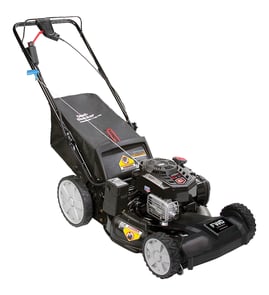




What is the average lifespan of a gas lawn mower?
A typical gas walk-behind mower like the MTD 11A-A2T2793 often lasts about 8 to 10 years with normal residential use and consistent maintenance. Lifespan varies most with engine care (clean oil and air filtration), storage practices, and how hard the mower works (thick grass, hills, dusty conditions).
What most affects lifespan on the MTD 11A-A2T2793
- Oil changes and oil level checks; running low on oil shortens engine life fast
- Air filtration; a clogged filter lets dirt into the engine (inspect and replace as needed)
- Fuel quality and storage; old fuel and varnish cause hard-start and carburetor issues
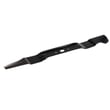
- Blade condition; a dull or bent blade increases engine load and vibration
- Deck and underside cleaning; packed grass holds moisture and accelerates rust
- Operating conditions; sandy soil, tall wet grass, and steep slopes increase wear
Maintenance schedule that helps you reach the high end of the range
| Task | Typical interval | Why it helps |
|---|---|---|
| Check oil level | Every mow | Prevents low-oil engine damage |
| Change engine oil | Every season (or ~25-50 hours) | Reduces internal wear |
| Inspect/replace air filter | Several times per season | Protects engine from dirt |
| Sharpen/replace blade | 1-2 times per season | Reduces strain, improves cut |
| Stabilize or drain fuel for storage | End of season | Prevents gum and varnish |
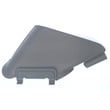
If you are seeing surging, black smoke, or hard starting, start with the basics: fresh fuel and a clean air filter such as the air filter 593260.
Signs it may be nearing end-of-life (or needs a bigger repair)
- Starts only with repeated priming or won’t restart when warm
- Noticeable loss of power in normal grass
- Excessive vibration even after blade service
- Oil consumption, heavy smoke, or fuel leaks
- Repeated carburetor or ignition problems season after season
Why it matters
Knowing the expected lifespan helps us decide whether routine maintenance (oil, blade, filter) is the best next step, or whether a larger repair makes sense for your mowing hours and yard conditions.
Last updated: January 2026
Is it cheaper to repair or replace a lawn mower?
For the MTD 11A-A2T2793 gas walk-behind mower, it’s usually cheaper to repair when the problem is routine maintenance or a small, isolated failure. Replacement often makes more sense when repair costs approach about half the price of a comparable new mower, or when the engine has major internal damage.
Quick decision checklist
- Repair if it’s a wear item (air filter, cap, bag) or a simple adjustment
- Repair if the mower is otherwise in good shape (deck solid, wheels track straight)
- Replace if the engine has low compression, heavy smoke, or repeated no-start issues after basic service
- Replace if the deck is severely rusted/cracked or the handle mounts are failing
- Replace if multiple systems need work at once (engine + drive + deck)
Common low-cost repairs for this model
These are typical “high value” fixes that often restore performance without major expense:
- Replace a clogged air filter: air filter 593260
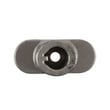
- Replace a missing or leaking cap to prevent fuel contamination: lawn mower fuel tank cap 596250
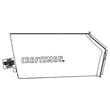
- Replace a torn bag if you bag clippings regularly: lawn mower grass bag 664P05321A
Repair vs replace: simple cost comparison
| Situation | Typical direction | Why |
|---|---|---|
| Won’t start after storage | Repair first | Often fuel, filter, or basic tune-up items |
| Runs rough, lacks power | Repair first | Airflow and fuel issues are common and fixable |
| Major engine failure symptoms | Replace often wins | Internal engine work can exceed mower value |
| Multiple major issues at once | Replace often wins | Costs stack quickly and reliability drops |
Why it matters
Choosing repair vs replace is really about total cost and reliability. A small repair can extend the life of your MTD 11A-A2T2793 for seasons, but sinking money into major engine problems can still leave you with an older mower that may need more repairs soon.
Last updated: January 2026
Should I use 87 or 93 for lawn mower?
For the MTD 11A-A2T2793 gas walk-behind mower, 87-octane regular unleaded is the right choice in most situations; 93-octane premium typically does not improve performance or reliability. What matters more than octane is using fresh, clean fuel and keeping the fuel system sealed.
What to use (and what to avoid)
- Use 87 octane regular unleaded for normal mowing.
- Avoid using old gasoline (stale fuel is a common cause of hard starting and surging).
- Avoid fuel contaminated with water or dirt.
- If your mower will sit, use a stabilizer and run the engine briefly to circulate treated fuel.
- Keep the cap sealing properly; a damaged cap can contribute to fuel issues (see lawn mower fuel tank cap 596250).
Why 93 octane usually is not better
Higher octane fuel is designed to resist knock in higher-compression engines. Most walk-behind mower engines are built to run correctly on regular fuel, so premium fuel usually provides no benefit.
Quick comparison
| Fuel choice | Typical result in a walk-behind mower | Best use case |
|---|---|---|
| 87 octane regular | Normal power and starting | Everyday mowing |
| 93 octane premium | Usually no noticeable improvement | Rarely needed unless the engine specifically calls for it |
If the mower runs rough after fueling
If your MTD 11A-A2T2793 starts, then stalls, surges, or lacks power, fuel quality is only one possibility. Airflow and venting matter too.
- Check the air filter for heavy dirt or oil saturation; replace if needed (see air filter 593260).
- Make sure the fuel cap vents correctly and seals (see lawn mower fuel tank cap 596250).
- Drain and replace old fuel with fresh 87 octane.
- Inspect the fuel tank for debris before refilling.
Why it matters
Using the correct fuel helps prevent hard starting, poor acceleration, and carburetor varnish. In practice, fresh 87 octane plus basic maintenance (clean air filter, good cap seal) does more for performance than stepping up to 93.
Last updated: January 2026