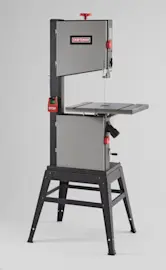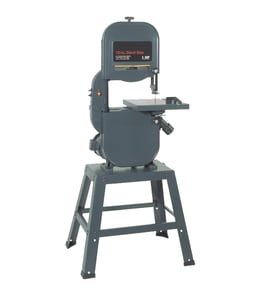

Are all scroll saw blades universal?
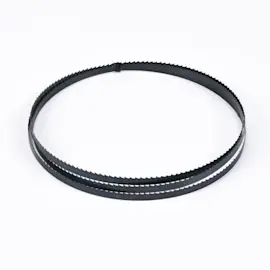
No. Scroll saw blades are not universal; the blade has to match how your saw holds and tensions the blade. For the Craftsman 10323150 power saw (often described as a jig saw/scroll saw style), blade fit is mainly about blade length and plain-end mounting in the blade holders, not modern pinned vs pinless systems.
What to match on Craftsman 10323150
This model uses a blade-holder (chuck) style setup that grips the blade ends. Focus on these fit points:
- End type: plain-end blades that can be clamped in the holders
- Blade length: choose a length your saw can tension correctly (many older Craftsman saws use longer blades than modern scroll saws)
- Blade thickness/width: must fit the holder slot and clamp securely
- Tooth style: matched to the material and the cut (fine detail vs fast ripping)
- Material rating: wood, plastic, or non-ferrous metal blades as needed
Quick selection guide
| Project/material | Blade choice to start with | Result you get |
|---|---|---|
| Tight curves in thin wood | Fine-tooth, narrow blade | Cleaner turns, less tear-out |
| Thicker wood | Coarser-tooth blade | Faster cutting, less burning |
| Plastics | Fine-tooth blade | Reduced chipping and melting |
| Aluminum/brass | Metal-cutting blade | Better control and blade life |
How we recommend confirming the correct blade
Because older saws vary by holder design, we recommend verifying fit before ordering:
- Remove the blade and measure its overall length
- Check whether the ends are plain and clamped (not pinned)
- Inspect the holders for slot width and how the clamp tightens
- Compare your measurements to the blade packaging specs
Why it matters
A blade that does not match the holder and tension range can slip, break, or cut inaccurately. The right blade fit and tooth pattern improves control, cut quality, and safety.
Related DIY help
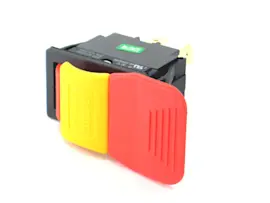
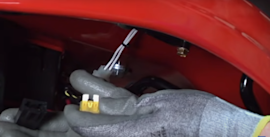
If your saw has intermittent power or will not start, use how to tell if a fuse is blown as a quick first check for common electrical issues.
Last updated: February 2026
How thick of wood can a scroll saw cut through?
The Craftsman model 10323150 is listed as a jig saw, not a modern scroll saw. For this type of saw, most users get the best control and cut quality in 3/4 to 1-1/2 inch wood; thicker stock is possible, but accuracy drops fast and blades heat up.
Practical cutting-thickness guide (jig saw vs scroll saw)
Use this as a real-world planning range for the Craftsman 10323150 style of saw.
| Stock type | Best results (clean, controllable) | Upper end (slow, straight cuts) | What limits you first |
|---|---|---|---|
| Softwood (pine, cedar) | 1 to 1-1/2 in. | Up to about 2 in. | Blade deflection, vibration |
| Hardwood (oak, maple) | 3/4 to 1-1/4 in. | Up to about 1-1/2 in. | Burning, drift, slow feed |
| Plywood | 3/4 to 1-1/4 in. | Up to about 1-1/2 in. | Glue layers build heat |
What affects maximum thickness the most
- Blade type and tooth size: coarse teeth clear sawdust better in thick stock
- Blade condition: a dull blade wanders and scorches the cut
- Feed rate: pushing too hard causes drift and overheating
- Cut style: tight curves reduce thickness capacity more than straight cuts
- Work support: solid infeed and outfeed support improves control
Tips when you need to cut thicker material
- Choose a fresh, coarse wood-cutting blade and keep spares on hand
- Make relief cuts before tight curves to prevent binding
- Let the blade do the work; use a slow, steady feed
- Pause occasionally to clear sawdust and reduce heat
Why it matters
When stock is too thick for the saw and blade, the cut drifts off-line, edges get rough, and blades overheat or break. Staying in the “best results” range improves accuracy and reduces kickback risk.
For general DIY safety practices, use are diy appliance repairs safe.
Last updated: February 2026
How do I find the model number on my 10323150?
The model number for your Craftsman jig saw is printed on the tool’s identification label (nameplate). On model 10323150, that label is typically on the motor housing or the main body near the handle or base plate; clean dust off the label so the full number is readable.
Where to look on a Craftsman jig saw
Check these common nameplate locations:
- Side of the motor housing (left or right side)
- Rear of the housing near the cord entry/strain relief
- Underside of the base plate (shoe)
- Near the handle grip area
- On a metal tag or a printed sticker riveted or adhered to the body
What the label should show
Most Craftsman power tool labels include several identifiers. Use the model number for parts lookup.
| Label item | What it’s used for | Example you might see |
|---|---|---|
| Model number | Correct parts diagrams and part fit | 10323150 |
| Serial number | Production run tracking | Varies |
| Electrical rating | Matching cords, switches, and safe power source | 120V, amps |
Tips if the label is worn or missing
If you cannot read the full model number, these steps usually solve it:
- Brush off sawdust; wipe with a dry cloth first
- Use a flashlight at an angle to highlight faint printing
- Take a close-up photo and zoom in
- Check the base plate underside for a second label
- Compare the tool’s features (handle style, base plate shape, corded vs. cordless) to confirm you have the right model
Why it matters
The model number (10323150) is what we use to match the correct Craftsman jig saw parts and diagrams; even small model changes can use different switches, brushes, cords, or base components.
For more help identifying the right model number format and where to find it, use [how to find your appliance model number (and what it means for parts)].
Last updated: March 2026