Owner’s manual




Is it okay to cut wet grass with an electric lawn mower?
No. For the Remington 18A-212A783 electric lawn mower, we recommend waiting until the lawn is dry; the manual warns not to operate the mower in rain or in damp or wet grass to reduce slip and electric shock risk. See the 18A-212A783 owner's manual.
What to do instead (safer options)
- Wait until the grass surface and soil are no longer damp.
- If you must mow soon, mow later in the day after sun and wind dry the lawn.
- Raise the cutting height and take a narrower pass to reduce load.
- Walk slowly and keep firm footing; release the motor/blade control handle immediately if you slip.
- If clippings are sticking under the deck, stop and unplug the mower, then clean the underside by scraping (no water).
Why wet grass is a problem for this model
Wet conditions can create multiple issues at once:
- Higher risk of electric shock in damp or wet conditions
- Increased slip and fall risk on wet grass
- Poorer mulching performance because wet clippings clump
- More deck buildup that can lead to vibration and reduced cutting quality
Quick guidance table
| Situation | Our recommendation | Result you can expect |
|---|---|---|
| Grass is wet or it is raining | Do not mow | Safer operation, avoids shock and slipping hazards |
| Grass is damp but not raining | Wait to dry; if mowing later, raise height | Less clogging and less motor overload |
| Wet clippings stuck under deck | Unplug; scrape clean (no hose) | Better airflow, cleaner cut, less strain |
Parts that commonly get affected by wet mowing
Wet mowing tends to increase clumping and deck buildup, which can stress cutting components.
- Lawn mower blade 742-04317 (dull or nicked blades worsen clumping)
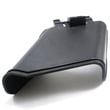
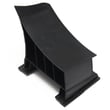
- Discharge area components (buildup can restrict flow)
Last updated: January 2026
What is the average lifespan of an electric lawn mower?
For the Remington 18A-212A783 electric lawn mower, the manual lists an Average Useful Life of 7 years (or about 140 hours of operation). With good cleaning, safe storage, and timely replacement of worn parts like the blade, many owners reach that full service life.
What “average useful life” means
The 7-year or 140-hour figure is a planning guideline for normal residential use. As the mower approaches that point, we recommend having it inspected so mechanical and safety systems are still operating correctly (per the 18A-212A783 operator’s manual).
What most affects lifespan
- Operating hours: Frequent mowing and heavy grass loads add wear.
- Heat and overload trips: Repeated overload protection trips can shorten motor life.
- Cleaning method: Avoid water on electric components; dry-cleaning helps prevent premature electrical damage.
- Storage conditions: Indoor, dry storage reduces corrosion and wiring issues.
- Wear parts condition: A dull or bent blade increases load on the motor.
Maintenance habits that extend mower life
- Clean grass buildup from the motor cover and deck; do not use a garden hose or pressure washer.
- If the overload protection trips, let the motor cool at least one minute, then reset and reduce cutting load.
- Keep the blade sharp and replace it if nicked, bent, or cracked.
- Check fasteners and handles periodically so vibration does not cause damage.
Typical lifespan at a glance
| Usage pattern | What you can expect | What to watch |
|---|---|---|
| Light, seasonal mowing | Closer to 7 years | Storage moisture, cord wear |
| Heavy mowing, thick grass | Fewer years or fewer hours | Overload trips, blade condition |
| Well-maintained, stored indoors | Full useful life | Routine inspections |
Why it matters
A mower that is past its useful-life window can still run, but worn safety components, a stressed motor, or damaged wiring increases the chance of poor cutting performance and unsafe operation.
Last updated: January 2026
What is the best rated electric lawn mower?
The “best rated” electric lawn mower depends on your yard size and whether you want corded or battery power. For a corded mower like the Remington 18A-212A783, the best choice is the one that matches your outlet capacity (15 or 20 amp circuit) and delivers the cut quality you want; use the 18A-212A783 owner's manual to confirm operating requirements and features.
How we recommend choosing the best rated mower
- Power type: corded (steady power) vs. battery (mobility)
- Yard size: small to medium lawns typically fit corded and 40V class battery mowers
- Cut quality needs: blade design, deck airflow, and discharge/bagging options
- Convenience features: folding handle, height adjustment, easy start
- Electrical capacity (corded): use a dedicated 120V circuit when possible
Corded vs. battery: quick comparison
| Feature | Corded electric (like Remington 18A-212A783) | Battery electric (40V to 80V class) |
|---|---|---|
| Runtime | Unlimited (as long as power is available) | Limited by battery capacity |
| Power consistency | Consistent | Can vary as battery drains |
| Mobility | Limited by extension cord | High mobility |
| Best for | Smaller lawns, predictable mowing | Larger lawns, obstacles, no cord |
What “best rated” means for your Remington 18A-212A783
If you already own the Remington 18A-212A783, the biggest drivers of satisfaction are safe, reliable starting and a clean cut. We recommend:
- Plug into a 120V, 60 Hz outlet on a 15 amp or 20 amp circuit
- Avoid outlets on circuits shared with heavy loads (for example, refrigerators)
- Keep the extension cord in good condition and routed away from the blade path
- Maintain cut performance by replacing a bent or dull blade with the correct part
Parts that commonly affect cut quality
Why it matters
A mower can be “top rated” in reviews but still perform poorly if it is mismatched to your yard or power setup. Choosing the right power type and keeping key wear parts (like the blade) in good shape gives you the best cut quality and fewer interruptions.
Last updated: January 2026