Owner’s manual





How big a log will a 22-ton log splitter handle?
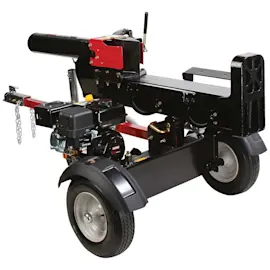
A 22-ton log splitter typically handles logs up to about 24 inches long; maximum diameter varies most by wood species, knotting, and moisture, but 10 to 16 inches is a common real-world range. For your MTD model 550, confirm the exact limits and safe operating setup in the owner's manual.
“22-ton” is the splitter’s rated splitting force, not a guaranteed log size. Log length is usually limited by the beam/cylinder stroke and cradle space, while diameter depends on how hard the wood is to split.
Common factors that reduce the effective max diameter:
- Twisted grain, crotches, and heavy knots
- Very dry hardwood (or very stringy green wood)
- Dull or damaged wedge
- Low hydraulic fluid level or aerated fluid
- Cold hydraulic fluid (slow cycle, less consistent power)
Use this as a quick rule-of-thumb for a 22-ton class splitter like the MTD 550.
| Log characteristic | Typical capability | Notes |
|---|---|---|
| Length | Up to ~24 in. | Measure end-to-end; leave clearance for safe positioning |
| Diameter (easy, straight-grain) | ~14 to 16 in. | Often splits in 1 pass |
| Diameter (hard, knotty) | ~10 to 12 in. | May need to re-split or rotate |
| Oversize rounds | Split in halves/quarters first | Safer and faster than forcing one big round |
The manual’s safety guidance is especially important when you push size limits.
- Split with the grain, not across it.
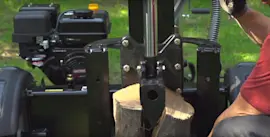
- Keep hands on the sides of the log, never between the log and wedge.
- Use a firm, level surface; block the wheels before operating.
- If a piece sticks on the wedge, retract fully and use the log dislodger (never your hands).
- Run the wedge up and down several cycles to warm the hydraulic fluid before heavy splitting.
Trying to split logs that are too large for the machine increases the chance of stuck wood, slow cycling, hydraulic strain, and unsafe hand placement. Staying within practical size limits keeps splitting faster and protects the hydraulic pump, control valve, and cylinder.
Last updated: February 2026
What makes a log splitter faster?
A log splitter runs faster when the hydraulic system moves more oil per minute (higher flow) and the engine keeps the pump at full RPM under load. For the MTD 550 log splitter, the safest speed gains come from maintenance and reducing restriction, not pressure changes.
- Higher pump flow (GPM) moves the hydraulic cylinder faster
- Adequate engine power prevents bogging in tough wood
- Low restriction in the return path (hose, fittings, filter)
- Air-free hydraulic system for smooth, strong movement
- Low friction on the beam and wedge so the ram does not bind
- Bleed air by cycling the wedge: Extend and retract through multiple full cycles; keep the reservoir within the dipstick range (self-bleeding design). See the owner's manual.
- Keep hydraulic fluid at the correct level: Low fluid starves the pump and slows the ram.
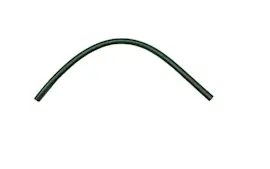
- Replace restricted components: A damaged or collapsing return line can slow retract and build heat; inspect the log splitter return hose 727-0443.
- Lubricate and adjust: Oil the beam contact surfaces before each use; adjust wedge gibs so the wedge moves freely with minimal play.
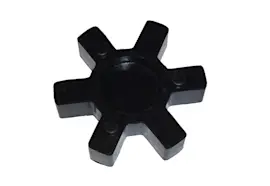
- Inspect the pump drive coupler: Vibration or noise between engine and pump points to a worn coupler; replace it to restore power transfer.
The manual states not to adjust the pressure settings of the pump or valve. Higher pressure does not make the cylinder cycle faster; it increases heat and stress on the hydraulic pump, control valve, and cylinder.
| Symptom | Most likely cause | First checks |
|---|---|---|
| Slow extend and slow retract | Low fluid, restriction, air | Fluid level, cycle to bleed, hose condition |
| Jerky movement | Air in system | Refill to dipstick range, cycle wedge |
| Vibration/noise near pump | Worn coupler | Inspect coupler area between engine and pump |
Reducing restriction and keeping the hydraulic system full and air-free improves cycle time while protecting high-pressure components from overheating and premature wear.
Last updated: February 2026
What size engine is on a 25 ton log splitter?
A “25-ton log splitter” does not have one standard engine size; it depends on the specific brand and model. For MTD model series 550 through 570, the operator’s manual directs you to the separate engine manual that shipped with the unit for the exact engine specifications and service details. See the MTD 550 operator’s manual.
We recommend using the engine’s ID information, not the tonnage rating, because engines vary widely across 25-ton class machines.
- Look for the engine model and type on the engine shroud, valve cover, or recoil starter housing
- Check the engine data label for displacement (cc) and sometimes horsepower (HP)
- Match that engine model to the engine manual that came with your splitter
- If the label is missing, use the splitter’s model series (550 through 570) plus any engine markings to narrow it down
- Confirm you are reading the label on the engine itself (not the log splitter frame tag)
Most 25-ton class log splitters commonly use small gas engines in this general range:
| Rating type | Typical range you’ll see | Notes |
|---|---|---|
| Displacement | ~160 to 300 cc | More consistent than HP across brands |
| Horsepower | ~5 to 9 HP | HP labeling varies by manufacturer and year |
Knowing the exact engine model and displacement helps you choose the right maintenance parts and procedures (oil type, spark plug, air filter, fuel system service). The MTD manual also emphasizes servicing the engine with gasoline and oil per the engine manual before operation.
If your splitter runs but the wedge feels weak or you hear vibration between the engine and hydraulic pump, the flexible pump coupler can be the cause. The manual describes this coupler as a nylon “spider” insert that hardens over time and should be replaced if you detect vibration/noise or loss of power.
- Inspect the coupler area if you notice rattling or vibration
- Check hydraulic hose clamps before use and seasonally (return hose)
- Keep the beam lubricated where it contacts the wedge before each use
For hydraulic system upkeep steps, use how to maintain the hydraulic system in a log splitter.
Last updated: February 2026
How often should hydraulic fluid be changed in a log splitter?
For the MTD model 550 log splitter, we change the hydraulic fluid every 100 hours of operation. We also check the reservoir level before each use and keep it within the dipstick range; using the correct fluid helps protect the hydraulic pump, control valve, and cylinder.
Follow the maintenance schedule in the owner's manual. For this model family, the manual specifies:
- Hydraulic fluid change: every 100 hours
- Fluid type: Dexron III automatic transmission fluid or 10W AW hydraulic fluid
- Level check: before each use, keep within the dipstick range
| Task | Interval | What we look for |
|---|---|---|
| Check hydraulic fluid level | Before each use | Level within dipstick range |
| Change hydraulic fluid | Every 100 hours | Clean fluid, correct type |
| Warm up fluid before heavy work | Start of use | Run wedge 6 to 8 cycles to circulate fluid |
Hydraulic systems run at high pressure, so we keep safety first.
- Park on a firm, level surface; shut the engine off.
- Relieve hydraulic pressure by moving the control handle to cycle the wedge after shutdown.
- Drain the reservoir by disconnecting the suction hose at the bottom of the tank and draining into a suitable container.
- Reconnect the hose, then refill with Dexron III ATF or 10W AW hydraulic fluid.
- Extend and retract the wedge 12 complete cycles to self-bleed air from the system.
- Recheck the dipstick and top off to the marked range.
Changing fluid on schedule prevents contamination and heat breakdown from damaging expensive components like the hydraulic pump and hydraulic cylinder. It also helps the wedge move smoothly and keeps splitting force consistent.
If you are changing fluid because you see seepage or a drop in level, use symptom guidance like log splitter hydraulic pump leaks to narrow down whether the issue is a hose, fitting, pump, or valve.
Last updated: February 2026
What are common problems with log splitters?
Common problems on an MTD log splitter like model 550 are weak or slow splitting from low hydraulic fluid or trapped air, hydraulic leaks from hoses or fittings, and control or pump issues that keep the wedge from extending or retracting smoothly. We also see engine-related no-start or rough-running problems on gas units.
- Wedge moves slowly or lacks force: low hydraulic fluid, air in the system, restricted flow, or pump wear
- Wedge will not extend or retract: air in hydraulics, valve problem, or cylinder issue
- Hydraulic oil leaking: damaged return hose, loose fittings, or worn seals
- Jerky movement: air trapped in the hydraulic circuit
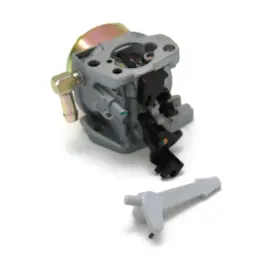
- Engine will not start or runs rough (gas models): fuel delivery, carburetor, or ignition maintenance issues
- Inspect for hydraulic leaks safely: use cardboard or wood to find spray or seepage; never use your hand.
- Check hydraulic fluid level: refill to the range marked on the dipstick.
- Purge trapped air: cycle the wedge fully out and back 12 complete cycles; the system is self-bleeding.
- Look over hoses and fittings: do not operate with frayed, kinked, cracked, or damaged hoses.
- Confirm correct log handling: keep hands on the sides of the log, not the ends; stabilize uneven logs with shims.
If you find a leak or damage, these model-matched parts are common suspects:
| Problem you see | Likely area | Example part on this model |
|---|---|---|
| Oil dripping or wet hose | Return line | Log splitter return hose 727-0443 or log splitter return hose 727-0502 |
| Wedge will not move or is very weak | Pump/coupler/valve | Control valve 718-0481 or log splitter hydraulic pump 718-0683 |
| Oil around cylinder, weak push | Cylinder/seals | Hydraulic cylinder 718-0769 |
Hydraulic log splitters operate at very high pressure. A pinhole leak can inject fluid into skin and cause severe injury. We stop the engine and relieve hydraulic pressure before changing hoses or fittings, and we never adjust pump or valve pressure settings.
For operating, maintenance, and safety details specific to model 550, use the owner's manual.
Last updated: February 2026