Owner’s manual




What is the most common problem with the Samsung washing machine?
For the Samsung WF45R6300AW washer, the most common customer-reported problems are drain and spin issues (clothes left wet), leaks, and excessive vibration. In most cases, the root cause is a simple setup or maintenance issue (unbalanced load, leveling, hose connection, or oversudsing) rather than a major failure; see the WF45R6300AW owner's manual for model-specific troubleshooting steps.
Most common symptoms and what usually causes them
- Won’t drain or drains slowly: drain path restriction, pump issue, or installation problem with the drain hose
- Poor spin or stops mid-cycle: unbalanced load, leveling feet not set correctly, or suspension wear
- Leaks: loose/kinked fill hoses, missing hose gaskets, door seal issues, or oversudsing
- Odors: detergent residue and moisture trapped around the door seal
- Door won’t open after cycle: cycle state or a cleaning cycle indicator that needs to be addressed
Quick checks we recommend first (fast, high-impact)
- Rebalance the load: mix items and avoid washing one heavy item by itself.
- Level the washer: adjust leveling feet and tighten the locking nuts so the cabinet sits solidly.
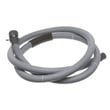
- Check fill hoses: use new hoses with rubber gaskets installed; leave about 5 in. behind the washer so hoses do not kink.
- Prevent oversudsing: use HE detergent and reduce the amount if you see excess foam.
- Clean and dry the door seal area: wipe the boot/diaphragm and leave the door ajar between loads.
When it points to a part problem
If the basic checks do not fix the issue, these parts commonly relate to the symptoms:
| Symptom | Common part involved | Example part for this model |
|---|---|---|
| No fill, fill errors, or leaking at valve area | Water inlet valve | Washer water inlet valve DC62-30314K |
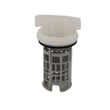
| Won’t drain, water left in tub | Drain pump | Samsung washer drain pump assembly DC97-20621A |
| Excessive shaking or banging | Shock absorber | Washer shock absorber DC66-00470D |
| Leaks at door area, moldy smell | Door boot | Washer door boot DC64-03788A |
Why it matters
Drain, spin, and leak problems can quickly turn into wet loads, longer cycle times, odors, and floor damage. Correct leveling, proper hose setup, and using HE detergent keep the WF45R6300AW running smoothly and reduce repeat error codes.
Last updated: February 2026
Does the Samsung WF45R6300AW have a self clean function?
Yes. The Samsung WF45R6300AW front-load washer includes a SELF CLEAN cycle designed to reduce residue and odor-causing buildup in the drum; we recommend running it about once a month or every 40 cycles using the steps in the WF45R6300AW user manual.
How to run SELF CLEAN (quick steps)
- Empty the drum completely (no laundry).
- Press Power.
- Turn the cycle selector to SELF CLEAN.
- Press and hold Start/Pause (Hold to Start).
- Use Hot water only; the washer sets this automatically for SELF CLEAN.
When to use bleach (and where it goes)
If you see residue in the drum, you can add liquid chlorine bleach to the main-wash compartment up to the MAX line before starting SELF CLEAN.
- Add bleach only when residue is present.
- Pour bleach into the main-wash compartment (not the bleach compartment for this cycle).
- Do not exceed the MAX line.
- Do not add detergent or mix other chemicals during SELF CLEAN.
SELF CLEAN at a glance
| Item | What to expect on WF45R6300AW |
|---|---|
| Cycle name | SELF CLEAN |
| Drum must be empty | Yes |
| Water temperature | Hot (fixed for this cycle) |
| Suggested frequency | Monthly or every 40 cycles |
Why it matters
Running SELF CLEAN regularly helps keep the washer drum fresh, reduces odor complaints, and can prevent residue from transferring to clothing on future loads.
Last updated: February 2026
Is the Samsung WF45R6300AW a good washer?
Yes. The Samsung WF45R6300AW is a solid front-load washer for most homes because it is a 4.5 cu. ft. machine with a 1200 RPM max spin, which helps cleaning performance and reduces dry time. For best results, follow cycle, detergent, and maintenance guidance in the WF45R6300AW user manual.
What “good” means for this model
A washer is “good” when it matches your priorities (capacity, noise, cycle time, and reliability). For the WF45R6300AW, the manual-backed highlights are:
- 4.5 cu. ft. capacity for everyday family loads
- 1200 RPM spin to extract more water (shorter dryer time)
- Designed water pressure range: 20 to 116 psi (important for fill performance)
- Maintenance features such as Self Clean and an emergency drain procedure
Quick checklist before you decide
Use this list to judge whether the WF45R6300AW fits your laundry habits:
- You prefer front-load efficiency (less water, strong spin extraction)
- You can install it on a solid, level floor (reduces vibration and walking)
- You are OK with longer cycle times on some programs (common for HE washers)
- You will run Self Clean and keep the door area dry to prevent odor
- Your home plumbing delivers steady water pressure in the recommended range
Common “good washer” pros and tradeoffs
| Category | What you typically get with this Samsung front-load design | What to watch for |
|---|---|---|
| Cleaning | Strong tumbling action and high-speed spin | Overloading can reduce turnover and rinsing |
| Efficiency | Lower water use than many top-loaders | Cycles can feel longer |
| Vibration/noise | Best when level on a rigid floor | Unbalanced loads can shake during spin |
| Ownership | Maintenance routines help keep it fresh | Door boot area needs regular wiping |
Why it matters
A 4.5 cu. ft., 1200 RPM front-load washer like the WF45R6300AW can save time and energy over the long run, but only when installation (leveling, drain setup) and routine maintenance are done correctly.
Last updated: February 2026
What is the life expectancy of a Samsung front load washing machine?
A Samsung front-load washer typically lasts 10 to 15 years in normal household use. For the Samsung WF45R6300AW, consistent maintenance (cleaning cycles, proper loading, and good water supply) is what most often determines whether you land closer to 10 years or closer to 15.
Typical lifespan and what affects it
Most front-load washers reach their full service life when they are kept clean, not overloaded, and installed correctly.
- Run the tub-cleaning cycle on schedule (helps prevent odor and residue buildup)
- Use the right detergent amount for an HE washer (too much causes buildup)
- Avoid chronic overloading (reduces stress on the tub, shocks, and motor)
- Keep the door gasket area dry between loads (reduces mildew and leaks)
- Maintain proper water pressure and good inlet flow (prevents fill errors and long cycle times)
What the WF45R6300AW manual tells us (useful specs)
These model-specific specs help explain normal wear points and operating demands. See the WF45R6300AW owner's manual for the full specification sheet and maintenance schedule.
| Item | WF45R6300AW spec | Why it matters |
|---|---|---|
| Capacity | 4.5 cu. ft. | Larger loads increase wear if consistently overfilled |
| Max spin speed | 1200 rpm | High-speed spin increases vibration if loads are unbalanced |
| Water pressure range | 20 to 116 psi | Low pressure can cause fill problems and longer run times |
| Net weight | 201 lb | Needs solid flooring and leveling to reduce vibration |
When repairs start to make less sense
Around the 10-year mark, the most common “life-limiting” issues are usually leaks, draining problems, or heavy vibration.
- Leaks at the door opening (often tied to the door boot)
- Slow or no drain conditions (often tied to the drain pump or a clogged filter)
- Excessive shaking or banging (often tied to suspension components)
Why it matters
A front-load washer’s lifespan is mostly about controlling moisture, soap residue, and vibration. Those three factors directly impact the tub area, door seal, and drain system, which are the most common sources of costly breakdowns.
Last updated: February 2026