 Owner’s manual


How to remove spray arm in LG dishwasher?
On the LG LUDP8908SN dishwasher, you remove the upper spray arm by turning the retaining nut on the bottom of the spray arm 1/8 turn counter-clockwise, then pulling the spray arm down. After cleaning, press it back up and lock the nut 1/8 turn clockwise (then confirm it spins freely). See the LUDP8908SN owner's manual for the exact illustrations and cautions.
Steps to remove and clean the spray arms
- Safety first: Make sure the dishwasher is off; let parts cool if a cycle just ended.
- Upper spray arm removal: Pull the upper rack forward, turn the nut 1/8 turn counter-clockwise, then pull the spray arm down.
- Clean the arm: Rinse and shake out debris; clear clogged jet holes with a pin or similar sharp tool.
- Reinstall the upper arm: Press it up into place; turn the nut 1/8 turn clockwise until it locks.
- Lower spray arm cleaning: Check jet holes and clear debris with a pin; avoid forcing any rolling sections.
- Final check: Spin each spray arm by hand to confirm it rotates freely before running a cycle.
Quick reference: upper vs. lower spray arm
| Spray arm | How you access it | How you clean it | Removal needed? |
|---|---|---|---|
| Upper spray arm | Pull upper rack forward | Rinse, shake, clear holes with a pin | Yes, for deeper cleaning (nut 1/8 turn) |
| Lower spray arm | Remove lower rack for access | Clear holes with a pin; do not force rolling sections | Usually no |
Why it matters
Clogged spray arm holes reduce water spray pressure, so dishes come out with residue even when detergent and cycle selection are correct. Keeping the spray arms clear (about every two weeks) restores wash performance and helps prevent repeat cleaning issues.
Last updated: February 2026
What is the average lifespan of an LG dishwasher?
Most LG dishwashers typically last about 10 to 13 years with normal home use and basic maintenance. For your LG LUDP8908SN, keeping water temperature consistent, using rinse aid, and fixing small issues early helps you reach the high end of that range; see the LUDP8908SN owner's manual.
What affects dishwasher lifespan most
- Water quality and temperature (hot water delivered consistently helps cleaning and reduces strain)
- Detergent and rinse aid use (rinse aid improves drying and reduces water spotting)
- Filter and spray arm cleanliness (clogs force the pump to work harder)
- Loading habits (overloading blocks spray and increases rewash cycles)
- Drain performance (standing water and backflow accelerate wear)
Quick maintenance routine (high impact)
- Run hot water at the sink for 30 to 60 seconds before starting if the dishwasher is far from the water heater.
- Keep rinse aid filled; if drying is weak, increase the rinse aid setting (the manual notes level 2 is the default and level 3 uses more).
- Use High Temp and Extra Dry/Night Dry when needed, especially for plastics.
- Clean the filter area and check spray arms for debris monthly.
- Address slow draining promptly; a struggling drain system shortens component life.
Lifespan vs. warranty coverage (helpful perspective)
| Item | Typical expectation | What the manual warranty highlights |
|---|---|---|
| Whole dishwasher service life | 10 to 13 years | Not the same as lifespan |
| Direct drive motor | Often 10+ years | Extended coverage is listed for the motor |
| Control board and racks | Varies by use | Extended coverage is listed for these parts |
Why it matters
A dishwasher that is forced to rewash loads (cool incoming water, poor drying, clogged circulation) racks up extra run time. Extra run time is what wears out high-use parts like the wash motor, diverter, and drain system.
Last updated: February 2026
How to clean LG dishwasher upper spray arm?
To clean the upper spray arm on your LG LUDP8908SN dishwasher, pull the upper rack forward, remove the spray arm by loosening the retaining nut slightly, rinse out debris, clear clogged jet holes, then reinstall and confirm the arm spins freely. See the steps in the LUDP8908SN owner's manual.
Step-by-step: cleaning the upper spray arm
- Turn the dishwasher off and let the interior cool.
- Pull the upper rack forward so you can reach the upper spray arm.
- Check the water jet holes for food particles.
- Remove the upper spray arm:
- Turn the nut on the bottom of the spray arm 1/8 turn counterclockwise.
- Pull the spray arm down to remove it.
- Clean the spray arm:
- Rinse under running water.
- Shake out trapped debris.
- Use a pin or similar sharp tool to clear blocked holes.
- Reinstall:
- Press the spray arm up into place.
- Turn the nut 1/8 turn clockwise to lock it.
- Verify the spray arm rotates freely before running a cycle.
Quick checks that prevent repeat clogs
- Scrape heavy food soil off dishes before loading.
- Make sure tall items do not block spray arm rotation.
- Keep rack height even on both sides so the upper spray arm connects to the water inlet.
- After adjusting racks, confirm both upper and lower spray arms rotate freely.
- Clean spray arms about every two weeks for best wash performance.
Troubleshooting guide: what you see vs. what it means
| What you notice | Likely cause | What to do |
|---|---|---|
| Dishes on top rack come out dirty | Upper spray arm holes clogged | Clean and clear jet holes, then rinse thoroughly |
| Spray arm does not spin smoothly | Debris in holes or arm obstructed by dishes | Re-load to clear obstructions; clean spray arm |
| Door will not close after rack adjustment | Upper rack height uneven | Re-level rack sides so the door shuts and the spray arm connects |
Why it matters
A clogged upper spray arm reduces water spray pressure and coverage, so detergent cannot rinse away soil. Keeping the jet holes clear helps prevent poor cleaning, noise from the arm hitting dishes, and repeat wash issues.
Last updated: February 2026
What is the most common problem with the LG dishwasher?
For the LG LUDP8908SN dishwasher, the most common customer-reported issues are the dishwasher not starting, not draining, or not drying well. In many cases, the root cause is a door latch problem, a drain restriction, or settings and rinse aid setup described in the LUDP8908SN owner's manual.
Most common issues we see (and what to check first)
- Won’t start: confirm the door closes and latches firmly; a misaligned latch can prevent operation.
- Not draining: check for a kinked drain hose, a clogged filter, or a blocked sink/disposer connection.
- Not drying: use rinse aid and consider High Temp plus Extra Dry or Night Dry for plastics.
- Leaks or water in base: verify the dishwasher is level; leaks can also trigger an AE error.
- Oversudsing: only use automatic dishwasher detergent (never hand dish soap).
Quick symptom-to-part checklist (model-relevant)
| Symptom | Common cause | Part to consider (if diagnosis confirms) |
|---|---|---|
| Won’t start, door feels loose | Door latch not engaging | Dishwasher door lock AGM76209501 |
| Not draining, water left in tub | Drain pump issue or restriction | Dishwasher drain pump ABQ75742501 |
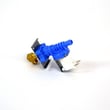
| Not filling or fills slowly | Water supply or inlet valve problem | Dishwasher water inlet valve 5221DD1001E |
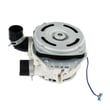
| Poor wash performance, weak spray | Circulation pump/motor problem | LG dishwasher pump and motor assembly AGM30016301 |
Drying performance tips (specific to LG guidance)
LG dishwashers are designed to use rinse aid to improve sheeting and drying. For better results:
- Fill and enable rinse aid; increase the rinse aid level if needed.
- Run the hot water at the sink before starting if the dishwasher is far from the water heater.
- Use High Temp to keep dishes hotter before drying.
- For plastics, select Extra Dry or Night Dry (or both).
- Let the dry cycle finish before opening the door.
Why it matters
Start, drain, and dry problems often look like “the dishwasher is broken,” but they usually trace back to a few high-impact items: door latching, water flow, drainage, and correct cycle options. Checking these first saves time and prevents repeat issues.
Last updated: February 2026





