Owner’s manual
 Error Codes




What is the most common problem with LG refrigerators?
For LG refrigerators like model LFCC22426S, the most common customer-reported issue is a cooling failure (refrigerator and freezer not staying cold). In many cases, the root cause is in the sealed-system cooling components (such as the compressor), but simple setup and airflow issues can cause the same symptoms; use the LFCC22426S owner's manual troubleshooting steps first.
What we check first (fast, no-parts steps)
- Confirm the unit has power; check the home breaker or GFCI outlet.
- Make sure the controls are not set to OFF (on models that have an OFF setting).
- Verify the refrigerator is not in Demo Mode.
- Allow up to 24 hours after installation for temperatures to stabilize.
- Clear blocked air vents; move packages so cold air can circulate.
- Reduce long or frequent door openings; warm, humid air raises temps.
Common causes and the parts that relate
If the refrigerator is running but not cooling correctly, these are the most common categories we see:
| Symptom | Likely area | Example part on this model page |
|---|---|---|
| Warm fridge and freezer, compressor runs a lot | Sealed system / compressor | Compressor TCA36811409 |
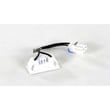
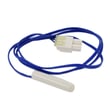
| Temps swing, unit seems confused about temperature | Temperature sensing / control | Refrigerator temperature sensor 6500JB2002X |
| Warm fresh food section, weak airflow, fan noise | Evaporator fan / airflow | Fan assy ADP73273402 |
| Ice maker not producing or inconsistent | Ice maker system | Ice maker assembly AEQ72909602 |
Why it matters
A “not cooling” complaint can be caused by something simple (blocked vents or Demo Mode) or something major (sealed-system cooling). Doing the quick checks first helps you avoid unnecessary parts and gets you to the right repair faster.
When to stop and use a technician
- If you suspect a sealed-system issue (no cooling with normal airflow checks done)
- If you smell electrical burning or see damaged wiring
- If troubleshooting points to compressor or refrigerant-system work
For part ordering, we recommend starting with the LFCC22426S parts list on this page; you can also search by model on Sears PartsDirect.
Last updated: February 2026
Why does my LG freezer keep icing up at the bottom?
On the LG LFCC22426S, ice building up on the bottom of the freezer is typically caused by a clogged or frozen defrost drain; defrost water cannot flow to the drain pan, so it refreezes into a sheet of ice. Use the steps in the owner's manual to safely defrost and clear the drain path.
What’s happening (and why it pools at the bottom)
During normal defrost cycles, meltwater should run through a drain opening and down a drain tube to the pan underneath. When that drain freezes over or gets blocked by debris, water backs up and refreezes on the freezer floor.
Common causes
- Ice or food particles blocking the drain opening
- Drain tube frozen from repeated door openings and humidity
- Door not sealing well, letting moist air in (more frost, more meltwater)
- Freezer overpacked, restricting airflow and increasing frost
- Unit not level, so water does not flow toward the drain
Fix it: quick steps we recommend
- Unplug the refrigerator and move food to a cooler.
- Manually defrost the freezer until the ice sheet loosens.
- Clear the drain opening (warm water in small amounts works well).
- Flush the drain to confirm water flows freely to the pan.
- Check the door seal and closing; warm, humid air drives frost buildup.
Helpful parts for this symptom
If the drain tube is cracked, restricted, or won’t clear, replacing it often solves repeat icing.
Quick diagnosis table
| What you see | Most likely cause | What to do first |
|---|---|---|
| Solid ice sheet on freezer floor | Drain blocked/frozen | Defrost and flush drain |
| Frost on packages and walls | Door opened often or not sealing | Reduce openings; inspect gasket |
| Water puddles that refreeze | Drain slow or unit not level | Clear drain; level cabinet |
| Door pops open slightly | Door alignment or obstruction | Remove obstructions; realign |
Why it matters
A blocked drain can lead to recurring ice buildup, warmer freezer temps, and water leaks. Keeping the drain clear and the door sealing properly helps the cooling system run efficiently and prevents repeat freeze-ups.
For replacement parts for your LG LFCC22426S, use the parts list for this model or search by model number on Sears PartsDirect.
Last updated: February 2026
How to tell if an LG compressor is bad?
On the LG LFCC22426S refrigerator, a bad compressor usually shows up as warming temperatures (fresh food and freezer), little to no steady compressor run sound, or repeated clicking from the lower rear area as the compressor tries to start and shuts off.
Quick symptoms checklist
- Refrigerator and freezer temperatures keep rising even though the controls are set correctly
- You hear repeated clicking every few minutes from the back bottom area (start attempt, then stop)
- The compressor is extremely hot to the touch (do not touch bare tubing; use caution)
- The unit runs constantly but does not cool (often points to sealed-system or compressor issues)
- You see a compressor-related result when running LG Smart Diagnosis (audible diagnosis)
What to check first (before blaming the compressor)
Many “bad compressor” complaints are caused by airflow, fan, or sensor problems. We check these items first because they are faster and safer to confirm.
- Confirm the doors seal and close fully; a leak can mimic compressor failure
- Listen for the evaporator fan and condenser fan operation
- Make sure the condenser area is not packed with dust
- Check for heavy frost buildup that could indicate a defrost/airflow problem
- Run the built-in Smart Diagnosis audible test from the LFCC22426S owner's manual
Helpful part checks for this model
If cooling is weak or inconsistent, these model-matched parts are common suspects:
| What you notice | Common cause | Example part on this model |
|---|---|---|
| Warm temps, fan noise missing | Evaporator fan issue | Fan assy ADP73273402 |
| Temps swing, odd readings | Temperature sensor issue | Refrigerator temperature sensor 6500JB2002X |
| Clicking and no cooling (after other checks) | Compressor or sealed system | Compressor TCA36811409 |
Using Smart Diagnosis to support your diagnosis
Your manual describes an “audible diagnosis” method using the LG ThinQ app: you hold your phone near the rear speaker area, press and hold the Freezer button for 3 seconds, then wait for the tones to finish and review the result in the app. Use that result to decide whether to focus on the compressor, fans, or sensors.
Why it matters
A compressor is part of the sealed cooling system. Misdiagnosing it can lead to unnecessary parts and downtime. Verifying airflow (fans), temperature sensing, and door sealing first helps you pinpoint the real failure faster.
Last updated: February 2026
Why is my LG refrigerator leaking from the bottom?
Bottom leaks on an LG LFCC22426S refrigerator almost always come from a defrost drain that is clogged and overflowing into the base, or from the ice maker and water line connections dripping into the lower area. Start by checking for ice or debris in the drain path and any water-supply seepage.
Most common causes (and what to check first)
- Clogged defrost drain: Water from the defrost cycle cannot reach the drain pan, so it spills into the bottom of the cabinet.
- Ice maker or water line leak: A loose fitting, cracked tube, or water pressure issue can drip and run down to the base.
- Door not sealing: Warm air causes excess frost, which creates more meltwater than the drain can handle.
- Drain tube issue: A split, loose, or misrouted drain tube can dump water where it should not.
Quick troubleshooting steps (safe, no special tools)
- Unplug the refrigerator before inspecting inside panels or near wiring.
- Look for a sheet of ice on the freezer floor or water under the crisper drawers; that pattern strongly points to a defrost drain problem.
- Inspect the water line connection and tubing routing; the manual notes water hammer and installation issues can lead to leakage and water damage.
- Check door gaskets for gaps, tears, or areas that do not grip paper when the door is closed.
- Confirm the refrigerator is level (slight tilt back helps doors close consistently).
Parts that commonly solve bottom-leak problems
If you find a damaged component, these model-matched parts are commonly involved:
| Leak source you find | What it affects | Model-matched part to consider |
|---|---|---|
| Drain path not carrying water out | Water ends up in the base | Refrigerator drain tube 5251JA3003D |
| Ice maker dripping or overfilling | Water runs down to the bottom | Ice maker assembly (AEQ72909602) - refrigerator ice maker part by LG AEQ72909602 |
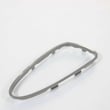
| Door seal not closing tightly | Excess frost, then meltwater overflow | Kenmore refrigerator door gasket, right ADX72930475 or refrigerator freezer door gasket MDS38201427 |
Why it matters
A bottom leak can soak insulation, warp flooring, and create recurring frost and cooling complaints. Fixing the drain or water supply leak early also helps the compressor and fans run more normally.
Helpful references for this model
- Use the owner's manual for water line connection guidance and water pressure requirements.
- For ordering model-matched replacement parts, use the parts list for LFCC22426S on this page or search by model at Sears PartsDirect.
Last updated: February 2026