
Are electric chainsaws any good?
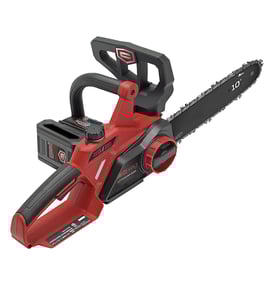
Yes. For most homeowners, an electric chainsaw like the Remington EL-7 is a very good choice for trimming limbs, cutting firewood rounds, and storm cleanup because it starts instantly, runs quieter than gas, and needs less routine maintenance.
What electric chainsaws do best
- Light to medium cutting: branches, small trees, and general yard cleanup
- Quick jobs: no fuel mixing, no warm-up, no pull-starting
- Indoor-friendly storage: no gasoline smell or carburetor issues
- Consistent power: steady torque as long as the cord or battery can supply it
When a gas saw is usually the better tool
Electric models are not the best fit when you need long run time and maximum cutting power.
| Job type | Electric chainsaw | Gas chainsaw |
|---|---|---|
| Occasional yard work | Best fit | Works, but more upkeep |
| All-day cutting | Limited by cord/battery | Best fit |
| Very large hardwood logs | Slower, may bog | Faster, more power |
| Cold starts | Easy | Can be finicky |
What matters most for performance
A lot of “good vs not good” comes down to setup and wear parts.
- Sharp chain: a dull chain makes any saw feel weak and unsafe
- Correct chain type and size: match the bar and drive specs for your model
- Proper chain tension: too loose can derail; too tight overheats and wears parts
- Bar and chain lubrication: low oil increases heat and stretch
- Power source: avoid undersized extension cords on corded saws (voltage drop reduces power)
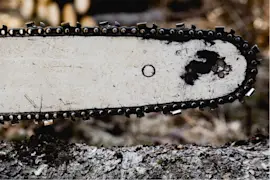
If your EL-7 is cutting slowly or pulling to one side, replacing the chain is often the fastest fix; the chain 91PX056G is a listed match for this model.
Why it matters
Choosing the right saw type helps you cut faster and safer. Electric chainsaws shine for convenience and low maintenance; keeping the chain sharp and properly tensioned is what keeps performance high.
Last updated: February 2026
How thick of a tree can an electric chainsaw cut?
A Remington EL-7 16-inch electric chainsaw typically cuts wood up to about 12 to 14 inches in diameter when the chain is sharp and the saw is properly tensioned; larger trunks usually require cutting from two sides and take longer. For best results, keep a sharp, correctly sized chain on the bar, such as the chain 91PX056G.
What determines the maximum cut size
Even with a 16-inch bar, real-world cutting capacity depends on more than bar length:
- Bar length and usable cutting length: you rarely use the full bar tip-to-base in one pass.
- Chain sharpness and correct pitch/gauge match: a dull chain dramatically reduces cutting ability.
- Wood type and moisture: hardwoods and wet wood cut slower and load the motor more.
- Power supply: long, undersized extension cords can cause voltage drop and weak cutting.
- Technique: letting the chain do the work prevents stalling and overheating.
Practical guidance for thicker trunks
If the tree is thicker than what you can cut in one pass, we recommend these safe, effective approaches:
- Cut from two sides (rotate around the trunk) to meet in the middle.
- Make a shallow guide kerf first, then deepen it.
- Keep the chain properly tensioned and stop if the chain starts to smoke or the motor bogs.
- Avoid burying the bar tip; use steady pressure and maintain control.
- If the bar binds, stop and reposition; do not force the saw through a pinched cut.
Quick rule-of-thumb table
| Bar length | Typical single-pass diameter | Practical max with two-sided cuts |
|---|---|---|
| 12 in | 8 to 10 in | 10 to 12 in |
| 16 in (EL-7) | 12 to 14 in | 14 to 16 in |
| 18 in | 14 to 16 in | 16 to 18 in |
Why it matters
Staying within a realistic cutting range helps prevent motor overheating, chain derailment, and kickback risk. It also reduces wear on key cutting components like the bar and chain, and it keeps your Remington EL-7 performing consistently.
To order the correct replacement cutting parts for your model, use the parts list for EL-7 on this page or search by model number on Sears PartsDirect.
Last updated: February 2026
What is the difference between 40v and 80v chainsaws?
An 80V chainsaw typically delivers more cutting power and maintains chain speed better under load than a 40V model, so it feels stronger in thicker wood. A 40V chainsaw is usually lighter and better suited for routine yard cleanup and smaller cuts.
What changes when you go from 40V to 80V
- Power under load: 80V systems generally bog down less in dense or wet wood.
- Typical use: 40V is common for pruning and light limbing; 80V is more common for heavier storm cleanup and larger diameter cuts.
- Weight and balance: 80V tools and batteries are often heavier.
- Runtime approach: 80V can do more work per minute; 40V may run longer on a lighter pack depending on battery size (Ah).
- Cost and battery ecosystem: 80V batteries and chargers are usually more expensive, and you are buying into a different platform.
Quick comparison
| Feature | 40V chainsaw | 80V chainsaw |
|---|---|---|
| Best for | Light to medium cutting | Medium to heavy cutting |
| Feel in the cut | More likely to slow in thick wood | Holds speed better |
| Typical weight | Lighter | Heavier |
| Battery cost | Lower | Higher |
How this relates to your Remington EL-7 (16-inch) chainsaw
Your Remington EL-7 is a corded electric 16-inch chainsaw, so it does not use a 40V or 80V battery platform. For performance on this model, the biggest day-to-day factors are a sharp chain, correct chain tension, and proper bar lubrication. If your saw is cutting slowly or pulling to one side, replacing a worn chain often restores cutting performance.
- If the chain is dull or stretched, consider replacing it with the exact match: chain 91PX056G.
- Keep the chain properly tensioned; a loose chain cuts poorly and can derail.
- Confirm the oiler is working and the bar groove is clean.
Why it matters
Voltage is a quick way to compare cordless platforms, but real cutting results come from the full system: motor design, chain speed, bar length, and battery capacity (Ah). On a corded saw like the Remington EL-7, chain condition and lubrication usually make the biggest difference.
To order the correct replacement parts for your model, use the parts list for EL-7 on this page, or search by model number on Sears PartsDirect.
Last updated: February 2026
What are the disadvantages of electric chainsaws?
Electric chainsaws like the Remington EL-7 16" chainsaw are convenient and lower-maintenance than gas models, but the main disadvantages are limited mobility (corded models), less sustained cutting power for heavy jobs, and reliance on electricity or battery runtime.
Common disadvantages (what you will notice most)
- Limited range: Corded electric chainsaws only go as far as your extension cord safely allows.
- Power limits on tough cuts: They can bog down faster in large-diameter hardwood, dirty wood, or long continuous cuts.
- Cord management: The cord can snag, get cut, or force awkward cutting positions.
- Less “all-day” capability: Electric motors can heat up during extended use; you may need breaks.
- Not ideal for remote work: If you are away from outlets, electric is less practical than gas.
Corded vs cordless: quick comparison
| Feature | Corded electric | Cordless electric |
|---|---|---|
| Mobility | Lowest (tethered) | Better (no cord) |
| Runtime | Unlimited (with power) | Limited by battery |
| Power consistency | Consistent | Can drop as battery drains |
| Best for | Yard cleanup near home | Light to medium work anywhere |
Why chain condition matters more on electric saws
A dull or stretched chain makes any chainsaw feel underpowered, and it is especially noticeable on electric models because they rely on steady chain speed. If cutting feels slow or the saw produces fine dust instead of chips, inspect and replace the chain.
- Use the correct replacement chain for your EL-7.
- Keep proper chain tension (snug on the bar, still able to pull around by hand with gloves).
- Maintain bar oiling so the chain does not overheat.
If you need a replacement, we list the compatible chain 91PX056G for this model, and you can also search by model number on Sears PartsDirect.
Last updated: February 2026