


How can I tell what size my microwave is?
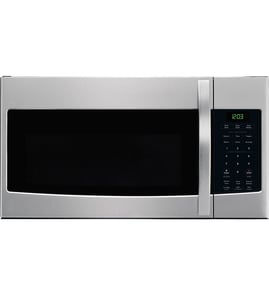
For your GE JVM1430WD002 microwave/hood combo, you can tell the “size” by measuring the outside dimensions (width, height, depth) and, if needed, estimating the interior capacity in cubic feet. Most over-the-range units are about 30 inches wide, but your measurements confirm what will fit.
What to measure (and how)
Use a tape measure and record measurements in inches.
- Width: left to right across the front of the microwave
- Height: bottom to top of the microwave (not the cabinet)
- Depth: front face to the back (include the door thickness if you need total clearance)
- Clearances: space above, beside, and in front for door swing and airflow
Outside size vs. inside capacity
“Size” can mean two different things. Outside dimensions tell you fit; inside capacity tells you how much you can cook.
| What you’re sizing | How to determine it | Why you need it |
|---|---|---|
| Outside dimensions | Measure width, height, depth | Confirms it fits your cabinet space |
| Interior capacity (cu. ft.) | Compare to similar over-the-range models after measuring | Helps you choose a similar replacement |
Quick fit checks for microwave/hood combos
These checks prevent common installation surprises.
- Confirm the microwave is about 30 inches wide (typical for over-the-range)
- Check that the cabinet opening and upper cabinet allow the measured height
- Verify depth clearance so the door opens fully without hitting a backsplash or trim
- Note venting style (recirculating vs. outside vent) before choosing a replacement
Why it matters
Getting the correct size avoids cabinet interference, poor venting performance, and door-swing problems. Accurate measurements also help you match the right replacement parts, such as a turntable drive or door components.
Related parts you might see while measuring
If you notice door alignment or turntable issues while checking fit, these model-matched parts are common:
- Microwave turntable motor WB26X10038
- Microwave turntable motor coupler WB06X10420
- Microwave door handle WB15X10023
Last updated: January 2026
What is the difference between 1.7 and 1.9 cu ft microwave?
A 1.9 cu. ft. microwave gives you a little more usable cavity space than a 1.7 cu. ft. model, which mainly helps with wider or taller cookware and easier placement. For a GE microwave/hood combo like model JVM1430WD002, the real-world difference is usually convenience, not a dramatic change in cooking results.
What changes when you go from 1.7 to 1.9 cu. ft.
In most over-the-range microwaves, the extra 0.2 cu. ft. shows up as slightly more interior clearance, not a much larger exterior footprint.
- Fits larger dinner plates and taller bowls more comfortably
- More room around food for better steam venting and fewer spills
- Often paired with a slightly larger turntable (varies by model)
- Sometimes paired with higher cooking power (wattage), but not always
- May weigh a bit more and need a bit more cabinet clearance during installation
Specs that matter more than cubic feet
Capacity is only one piece of the decision. These specs usually affect day-to-day performance more.
| What to compare | Why it matters | Typical difference (1.7 vs 1.9) |
|---|---|---|
| Cooking power (watts) | Faster heating and better reheating | Often similar; sometimes 1.9 is higher |
| Turntable diameter | Determines max plate size | 1.9 may be slightly larger |
| Interior height | Helps with tall mugs/bowls | 1.9 may be slightly taller |
| Venting (CFM) | Better smoke and odor removal | Can vary widely |
Quick fit check (simple at-home test)
Before choosing between 1.7 and 1.9 cu. ft., we recommend checking your most-used items.
- Measure your largest plate (edge to edge)
- Measure your tallest microwave-safe bowl or mug
- Confirm the door swing clearance under your cabinet
- If you use the hood vent a lot, prioritize vent performance over capacity
Why it matters
That extra 0.2 cu. ft. is most noticeable when you regularly heat larger dishes (like casserole containers) or want more “breathing room” around food. If your microwave is also your main cooktop vent, vent performance and reliability often matter more than a small capacity bump.
If you are troubleshooting heating performance on a microwave you already own, start with safe, common causes and symptoms in why is my microwave not heating.
What's the average lifespan of a GE microwave?
Most GE microwaves, including over-the-range microwave/hood combos like model JVM1430WD002, typically last 8 to 10 years with normal household use. Lifespan is mainly driven by heat exposure, door use, ventilation, and keeping the cavity and filters clean.
What affects lifespan the most
- Door and latch wear: frequent slamming or misalignment stresses the interlock system
- Grease and heat buildup: clogged venting makes internal components run hotter
- Power surges: can damage the control and high-voltage components
- Running empty: overheats the magnetron and waveguide area
- Poor airflow: blocked vents or dirty filters shorten component life
Quick signs your microwave is nearing end of life
- Takes noticeably longer to heat the same food
- Loud humming, buzzing, or burning smell during heating
- Turntable stops turning or turns intermittently
- Interior light flickers or goes out repeatedly
- Door feels loose, won’t close smoothly, or the unit won’t start unless you lift/push the door
Common “wear items” vs. “major repairs”
| Symptom | Often a smaller fix | Often a bigger fix |
|---|---|---|
| Won’t start when door closes | Door switch parts (interlock) | Control or wiring issues |
| Not heating | Fuse or door switch issue | High-voltage components |
| Turntable not turning | Coupler or motor | Wiring or control issue |
| Light out | Bulb or socket | Wiring issue |
If the door is acting up (won’t start, starts then stops, or needs pressure to run), the interlock system is a common place to check, including the micro-switch WB24X830 and the microwave door interlock switch lever WB06X10128.
Why it matters
A microwave that is overheating internally or has a worn door interlock can fail earlier and can also create inconsistent heating. Addressing airflow and door-latch issues early usually extends the usable life of a GE microwave/hood combo.
Last updated: January 2026