
Can you cut metal with a power saw?
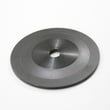
Yes. The Ryobi C-356 cutting saw is built to cut metal using an abrasive cut-off wheel (not a toothed blade); it’s commonly used for steel pipe, angle iron, rebar, and similar ferrous metals when the work is clamped securely and the correct wheel is installed.
Abrasive cut-off saws like the Ryobi C-356 rely on the wheel’s material and rating, not teeth-per-inch.
- Use a metal cut-off wheel sized and rated for your saw (diameter, arbor size, and RPM rating must match).
- Choose the wheel type for the metal: general-purpose steel wheels for mild steel; specialty wheels for stainless when needed.
- Do not use wood blades or toothed circular saw blades on an abrasive chop saw.
- Replace wheels that are worn, glazed, cracked, or have been dropped.
| Material you’re cutting | Typical result with a cut-off saw | Best practice |
|---|---|---|
| Mild steel (angle iron, flat bar) | Fast, clean enough for fabrication | Clamp tight; steady feed pressure |
| Steel pipe/EMT conduit | Very good | Support both sides to prevent pinching |
| Rebar/bolts/rod | Very good | Let the wheel do the work; avoid twisting |
| Stainless steel | Works with the right wheel | Use a stainless-rated wheel; avoid overheating |
- Clamp the workpiece in the vise; never hand-hold metal.
- Start the wheel at full speed before contacting the metal.
- Use steady, moderate downforce; forcing the cut overheats the wheel and motor.
- Keep the cut square; side-loading an abrasive wheel can cause breakage.
- Wear eye protection and hearing protection; sparks and grit are normal.
- Keep sparks away from fuel, solvents, sawdust, and rags.
- Unplug the saw before changing the wheel or adjusting the guard.
Using the correct abrasive wheel and proper clamping gives straighter cuts, reduces kickback and binding, and protects the Ryobi C-356 motor and guard system.
For general DIY safety practices before starting, use our guide: are diy appliance repairs safe.
Last updated: February 2026
What is a power saw used for?
A power saw uses a motor-driven blade or wheel to cut material faster and more consistently than a hand saw. The Ryobi C-356 is an abrasive cut-off saw; it’s used for quick, straight cutoffs in metal such as pipe, angle iron, and rebar using an abrasive wheel.
- Cut metal pipe and conduit to length
- Trim rebar, rod, and bar stock
- Cut angle iron and metal framing pieces
- Make repeatable straight cutoffs using a stop or measured marks
- Do rough sizing before grinding or finishing
An abrasive cut-off saw is different from a wood-cutting circular saw or miter saw.
- Not for ripping plywood or lumber
- Not for finish-quality woodworking cuts
- Not for materials that require a toothed wood blade
| Tool type | Primary use | Typical material |
|---|---|---|
| Abrasive cut-off saw (Ryobi C-356) | Straight cutoffs | Metal pipe, rebar, steel stock |
| Circular saw | Straight cuts, sheet breakdown | Lumber, plywood |
| Miter saw | Crosscuts and angles | Trim, framing lumber |
| Reciprocating saw | Demolition, rough cuts | Wood, nails, some metal |
Using the C-356 for its intended job (metal cutoffs with an abrasive wheel) reduces binding, improves cut control, and helps prevent wheel breakage and kickback.
For general DIY safety basics before working on powered equipment, review are diy appliance repairs safe.
Last updated: February 2026
What is the most common power saw?
For general home DIY and jobsite carpentry, the most common power saw is a circular saw because it handles the widest range of straight cuts in lumber and sheet goods. Your Ryobi C-356, however, is a cut-off saw (abrasive chop saw) used mainly for cutting metal and similar materials.
Here is how the most-used saw type typically breaks down by task:
- Circular saw: everyday straight cuts in plywood and 2x lumber
- Miter saw: repeatable angle cuts for trim and framing
- Table saw: ripping and repeatable cuts in a shop setting
- Jigsaw: curves and interior cutouts
- Reciprocating saw: demolition and rough cutting through mixed materials
Ryobi model C-356 is best grouped with cut-off saws (often called abrasive chop saws). These are common in metalworking and fabrication, not as the “most common” general-purpose carpentry saw.
| Tool category | Typical material | Typical cut style | Common use case |
|---|---|---|---|
| Circular saw | Wood, sheet goods | Straight cuts | General DIY carpentry |
| Cut-off saw (C-356 type) | Metal (and similar) | Straight crosscuts | Angle iron, pipe, bar stock |
Using the right saw category helps you choose the correct blade or wheel type, reduces binding and kickback risk, and prevents premature wear on the motor and guards.
- Match the blade or wheel to the material (wood blade vs abrasive wheel).
- Clamp the work securely; do not hand-hold stock.
- Keep guards in place and moving freely.
- Let the tool reach full speed before contacting the work.
- Wear eye and hearing protection.
For general DIY safety guidance we reference are diy appliance repairs safe.
Last updated: February 2026