 Owner’s manual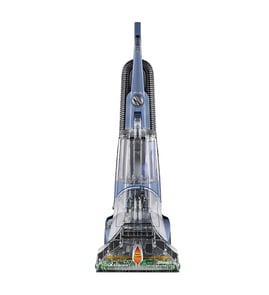

What is the best carpet washer to buy?
If you want the “best” carpet washer, we recommend choosing based on your cleaning job, home size, and how often you’ll use it. For most homes, a full-size upright carpet cleaner like the Hoover FH51102 is a strong all-around pick; for quick messes, a compact spot cleaner is usually the better buy.
- Whole-room cleaning: Upright carpet cleaner (best for large areas and routine deep cleaning)
- Pets and heavy traffic: Look for strong agitation, larger tanks, and easy-to-rinse tools
- Stairs, cars, and spills: Spot cleaner or a compact portable unit
- Storage is tight: Compact upright or a smaller tank design
- You clean often: Prioritize easy tank removal, simple nozzle access, and rinse-friendly parts
| What you care about | What to look for | Why it helps |
|---|---|---|
| Cleaning power | Brush/roller agitation + consistent suction | Lifts embedded soil and pulls out more water |
| Dry time | Strong extraction, good airflow | Less risk of re-soiling and musty odor |
| Ease of use | Easy-fill clean tank, easy-empty dirty tank | Faster setup and cleanup |
| Maintenance | Tool-free nozzle access, rinseable tanks | Prevents clogs and odor buildup |
- If you deep clean rooms a few times a year, an upright carpet cleaner is the best value.
- If you mainly handle pet accidents and spot stains, a spot cleaner is usually the smartest purchase.
- If you have lots of carpet, choose a model with larger tanks to reduce refill trips.
Buying the right style reduces over-wetting, improves dry time, and makes routine maintenance easier. That typically means better results and fewer issues like odor, clogs, or poor suction.
For operating tips and routine care that help any carpet cleaner perform its best, follow the maintenance and cleaning steps in the owner's manual.
Last updated: February 2026
What are the common mistakes in carpet cleaning?
The most common carpet-cleaning mistakes are using too much water or cleaner, scrubbing stains aggressively, and walking on the carpet before it is fully dry. With a Hoover FH51102 carpet cleaner, the best results come from controlled moisture, correct solution use, and proper dry time (see the FH51102 owner's manual).
- Scrubbing a stain instead of blotting; scrubbing can spread the stain and damage carpet fibers.
- Over-wetting the carpet (too many wet passes, not enough dry passes); this can cause odors and slow drying.
- Using the wrong cleaning solution (or too much solution); excess detergent can leave sticky residue that attracts soil.
- Skipping a thorough vacuum first; embedded grit turns into mud when you add water.
- Cleaning too large an area at once; you lose control of dwell time and extraction.
- Not rinsing or not doing extra “water-only” passes when residue is suspected.
- Walking on the carpet too soon; it re-soils and can crush damp fibers.
- Vacuum slowly and thoroughly.
- Pre-treat spots; blot from the outside in.
- Clean in straight, overlapping passes.
- Limit wet passes; follow with extra dry-only passes to extract as much water as possible.
- Speed drying: run fans, increase airflow, and avoid furniture contact until dry.
| What you notice after cleaning | Most common cause | What to change next time |
|---|---|---|
| Carpet feels crunchy or sticky | Too much solution or not enough extraction | Use less solution; add more dry passes |
| Musty smell | Over-wetting and slow drying | Reduce water; increase airflow and dry time |
| Stain comes back | Wicking from padding | Extract more; repeat with lighter moisture |
| Uneven look or streaks | Missed overlap or inconsistent speed | Use slower, overlapping passes |
Avoiding these mistakes protects carpet fibers, prevents residue buildup, and helps your Hoover FH51102 remove more soil with fewer repeat cleanings.
Last updated: February 2026
Do carpet cleaning machines really work?
Yes, carpet cleaning machines really work; a Hoover carpet cleaner like model FH51102 can remove embedded soil, pet messes, and many fresh stains better than vacuuming alone by spraying solution, agitating fibers, and extracting dirty water. Results depend on stain type, how long it has set, and correct technique (see the FH51102 owner's manual).
A portable carpet cleaner is best at removing water-soluble and oily soils that are still in the carpet fibers.
- Works well for: tracked-in dirt, food spills, pet accidents, and general dinginess
- Helps reduce: odors caused by organic spills (when cleaned promptly)
- Struggles with: permanent dyes (ink, some wine dyes), bleach damage, and old set-in stains
- Limited by: over-wetting, wrong detergent, and not enough dry passes
- Improves with: pre-treating and repeating passes on high-traffic lanes
Use a consistent process so the machine can extract as much moisture and soil as possible.
- Vacuum thoroughly first (dry soil removal is most of the job)
- Pre-treat spots; let the pre-spray dwell a few minutes (do not let it dry)
- Use hot tap water if your cleaner allows it; do not use boiling water
- Make slow wet passes, then multiple slow dry passes to pull out water
- Empty and rinse the dirty-water tank as soon as suction drops
- Let carpet dry fully; use fans and keep foot traffic off until dry
| Situation | Typical outcome | Best next step |
|---|---|---|
| Fresh spill (same day) | High chance of removal | Pre-treat, extract, repeat |
| Old stain (weeks/months) | Partial improvement | Multiple cycles; consider professional cleaning |
| Ink/dye stain | Often permanent | Spot-test; avoid heat and aggressive scrubbing |
| High-traffic gray lanes | Noticeable brightening | Slow passes; extra dry passes |
A carpet cleaner is an extraction tool; when we remove both soil and leftover detergent residue, carpets stay cleaner longer and feel less crunchy or sticky. Proper extraction also reduces dry time, which helps prevent odors.
Last updated: February 2026
What are the common problems with Hoover carpet cleaners?
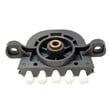
Common problems we see with the Hoover FH51102 carpet cleaner include no power, low suction, no spray/dispense, leaks, loud or high-pitched motor noise, and brush rolls that stop spinning. Most issues trace back to tank seating, clogs, dirty filters, belt/brush blockage, or a power supply problem.
- Won’t turn on: loose plug, tripped breaker/GFCI, damaged cord, overheated motor (thermal protector)
- Low suction or won’t pick up: recovery tank not seated, dirty/clogged filter, clogged nozzle or hose, float stuck
- No spray or won’t dispense: empty tank, tank not latched, clogged spray tip, airlock after refilling
- Water leaking: tank seal not seated, cap/gasket issue, tank overfilled, cracked tank
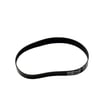
- Brush rolls not spinning: hair/debris jam, belt worn or off track, brush block clogged
- Loud/high-pitched noise: airflow restriction (clog/filter), full recovery tank, float engaged
- Unplug the cleaner; empty and rinse both tanks.
- Reseat tanks firmly; confirm latches click into place.
- Clean the nozzle area and any visible channels; remove hair and string from the brush roll.
- Clean or replace filters as directed.
- Check the hose and tool port for clogs; flush with warm water if allowed.
| Symptom | Fastest check | Next step |
|---|---|---|
| No power | Try a different outlet | Let motor cool 30 minutes; inspect cord |
| Low suction | Reseat recovery tank | Clean filter; clear nozzle/hose clog |
| No spray | Reseat clean tank | Clear spray tip; prime by holding trigger 10 to 20 seconds |
| Leaking | Check tank cap and seals | Inspect tank for cracks; don’t overfill |
| Brushes stop | Clear brush jam | Inspect belt/brush block for wear |
A carpet cleaner depends on sealed tanks and clear airflow. A small air leak, clogged nozzle, or dirty filter can reduce suction, trigger the float shutoff, and make the motor sound louder.
For model-specific cleaning steps, filter locations, and tank seating details, follow the FH51102 owner's manual.
Last updated: February 2026