

How long does a wet-dry vacuum last?
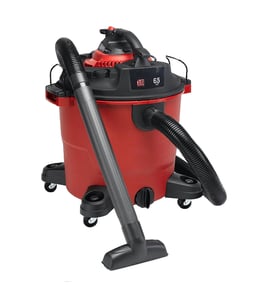
A Craftsman wet/dry vacuum like model 113179210 typically lasts 8 to 12 years with normal homeowner use and basic maintenance. Heavy shop use, frequent wet pickup, and clogged filters can shorten lifespan; good airflow and dry storage extend it.
Typical lifespan by use
| Use pattern | Typical lifespan | What usually wears first |
|---|---|---|
| Occasional homeowner cleanup | 10 to 12 years | Hose, filter, switch |
| Regular garage or workshop use | 8 to 10 years | Motor brushes, bearings, cord |
| Heavy daily jobsite use | 3 to 7 years | Motor, power switch, tank seals |
Signs it is time to repair or replace
- Noticeably weaker suction even with a clean filter and clear hose
- Motor surging, overheating smell, or frequent thermal shutoff
- Loud grinding or squealing (bearing or fan damage)
- Cracked tank, leaking lid gasket, or broken latches that will not seal
- Power cord damage, intermittent power, or a switch that sticks
Maintenance that makes a wet/dry vac last longer
- Clean or replace the filter on schedule; restricted airflow is the fastest way to overheat a motor.
- Empty the tank before debris reaches the filter cage.
- After wet pickup, drain and dry the tank, hose, and filter area to prevent corrosion and odor.
- Check the hose and inlet for clogs; a small blockage can cut suction dramatically.
- Store indoors and keep the cord loosely coiled to prevent internal wire breaks.
Why it matters
Wet/dry vac motors rely on airflow for cooling. When the filter is clogged or the hose is blocked, the motor runs hotter and wears out sooner, even if the vacuum still “sounds” normal.
For general DIY safety and planning, use our are diy appliance repairs safe guide.
Last updated: January 2026
Is a wet and dry vacuum cleaner worth it?
Yes, a wet/dry vacuum is worth it when you need one tool to handle both dry debris and liquid spills. For the Craftsman 113179210 16-gallon wet/dry vacuum, the bigger capacity and rugged design make it especially useful for garages, basements, workshops, and jobsite-style cleanup.
When a wet/dry vac is the better choice
- You regularly clean up water spills, wet sawdust, or muddy footprints
- You want stronger pickup for heavier debris (wood chips, drywall dust, small hardware)
- You need a large tank so you empty less often (16-gallon class)
- You want a vacuum that can be used in utility spaces, not just carpets and floors
- You prefer a simple, durable setup with a hose and attachments
When it might not be worth it
A wet/dry vac is less “grab-and-go” than a stick vacuum and is usually louder. If your cleaning is mostly light dust on hard floors and rugs, a standard household vacuum can be more convenient.
Quick comparison
| Feature | Wet/dry vacuum (like Craftsman 113179210) | Standard household vacuum |
|---|---|---|
| Liquids | Yes | No |
| Heavy debris | Better | Limited |
| Capacity | Larger | Smaller |
| Portability | Bulkier | Easier |
What to check before you buy or keep using one
- Filter type and condition: use the correct filter for dry pickup; remove or change setup for wet pickup
- Hose and seals: air leaks reduce suction fast
- Power source and cord length: match it to your garage or shop layout
- Storage space: 16-gallon units need a dedicated spot
Why it matters
Using the right vacuum for wet messes prevents damage that can happen when a standard vacuum ingests water. A wet/dry vacuum also saves time on messy projects because it is built for larger, dirtier cleanup.
For help identifying the exact model details you need for accessories and maintenance items, use how to find your appliance model number (and what it means for parts).
Last updated: January 2026
What's the best wet-dry vacuum on the market?
The “best” wet-dry vacuum depends on what you’re cleaning and how you’ll use it. For a shop-style unit like the Craftsman 113179210 (a 16-gallon wet/dry vacuum), the best choice is typically the one that matches your tank size needs, hose diameter, filtration type, and durability for jobsite debris.
How we recommend choosing the best wet-dry vacuum
- Capacity (gallons): Bigger tanks (like 16-gallon) reduce emptying during heavy cleanup.
- Filtration: Use a cartridge filter for dry debris and a foam sleeve for wet pickup.
- Hose diameter and airflow: Larger hoses generally move bulky debris better.
- Power and circuit fit: Higher-amp motors can trip breakers on shared circuits.
- Noise and portability: Look for stable casters, a comfortable handle, and manageable weight.
Quick comparison: which type is “best” for your job?
| Your main use | Best wet-dry vacuum type | What to prioritize |
|---|---|---|
| Garage and workshop cleanup | Shop wet/dry vacuum (like Craftsman 113179210) | Capacity, hose size, rugged build |
| Fine dust (drywall, sanding) | Shop vac with fine-dust filter and bag | Sealed filtration, filter quality |
| Small spills and quick touch-ups | Compact wet/dry vacuum | Portability, easy storage |
| Hard floors with frequent mopping | Vacuum-mop style unit | Convenience, floor-safe design |
What to check on your Craftsman 113179210 before upgrading
If your current vacuum is underperforming, the “best” upgrade might be restoring suction and sealing first:
- Clean or replace the filter (clogged filters are the top suction killer)
- Confirm the lid gasket and tank rim seal are intact
- Check the hose for splits, clogs, or crushed sections
- Verify the float/cage moves freely (wet pickup protection)
- Inspect the power cord and switch for heat damage or intermittent power
Why it matters
Choosing the right wet-dry vacuum prevents clogged filters, weak suction, and premature motor wear. Matching capacity, filtration, and hose setup to your debris type is what makes a vacuum feel “best” in real use.
For help identifying the exact model you have before buying accessories or comparing replacements, use how to find your appliance model number (and what it means for parts).
Last updated: January 2026
What should you not vacuum with a wet dry vac?
For the Craftsman 113179210 16-gallon wet/dry vacuum, do not pick up anything that can ignite, melt, clog the filter, or damage the hose and impeller. Avoid hot material, flammable liquids, and very fine dust unless you have the correct filter and setup for that job.
Materials to avoid (most common)
- Hot or burning debris: fireplace ash, embers, charcoal, cigarettes
- Flammable or explosive liquids/vapors: gasoline, solvents, paint thinner
- Very fine powders: drywall dust, concrete dust, flour (can pass through filters and overload the motor)
- Large sharp debris: big glass shards, jagged metal that can cut the hose
- Reactive or hazardous chemicals: strong acids, bleach mixtures, unknown shop chemicals
If you must pick up fine dust
Fine dust is where most wet/dry vac problems start (loss of suction, overheating, clogged filter).
- Use a fine-dust rated filter (or a HEPA-style filter if your setup supports it)
- Empty the drum before it gets more than half full
- Clean or replace the filter as soon as suction drops
- Consider a dust bag if your vac accepts one
Quick decision table
| Material | Safe to vacuum? | Better approach |
|---|---|---|
| Water, coolant, non-flammable spills | Yes (with correct wet setup) | Remove dry filter if required; empty promptly |
| Drywall dust, cement dust, flour | No (unless properly filtered) | Fine-dust filter and bag; short runs |
| Gasoline, solvents | No | Use approved spill methods, ventilate area |
| Hot ash/embers | No | Let cool completely; use ash-rated equipment |
Why it matters
Picking up the wrong material can clog the filter, reduce airflow (overheating the motor), damage the hose or impeller, or create a fire risk. Using the right filter and emptying the tank early keeps suction strong and helps the vacuum last.
Related help: are diy appliance repairs safe
Last updated: January 2026