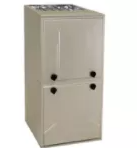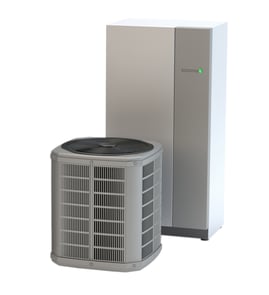

How much does it cost to install a 2.5-ton AC unit?
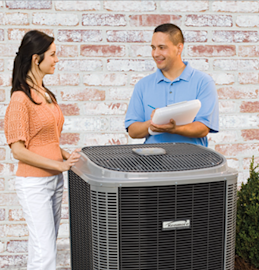
Installing a 2.5-ton AC (including equipment and labor) typically runs about $5,000 to $19,000 depending on efficiency, ductwork needs, electrical upgrades, and local labor rates. For a Carrier package unit like 52CEA309301AA, the installed price is driven most by site conditions and required code upgrades.
What drives the installed price
These are the most common cost factors we see with 2.5-ton systems:
- System type: package unit vs split system, and whether heat is included
- Efficiency and features: higher SEER2/EER2 ratings and staged compressors cost more
- Ductwork condition: repairs, resizing, sealing, or full replacement
- Electrical and controls: disconnect, breaker/wiring, thermostat, low-voltage wiring
- Refrigerant work: line set changes, evacuation, and charging
- Access and labor complexity: rooftop crane lift, tight clearances, long runs
Typical cost breakdown (what you are paying for)
| Cost item | Typical share of total | Notes |
|---|---|---|
| Equipment (unit + accessories) | 45% to 70% | Efficiency level and brand options matter most |
| Labor (remove and install) | 20% to 40% | Access, roof work, and time on site drive this |
| Materials and upgrades | 10% to 25% | Duct, electrical, thermostat, pad/curb, drain work |
Quick checks before you get quotes
Use these steps to avoid surprise add-ons:
- Confirm the exact model number on the rating plate: how to find your appliance model number (and what it means for parts)
- Ask whether the quote includes duct sealing and airflow setup (static pressure, temperature split)
- Ask if electrical upgrades are included (disconnect, whip, breaker sizing)
- Confirm whether permits and disposal are included
- For rooftop installs, confirm whether crane/lift fees are included
Why it matters
A 2.5-ton system that is installed with correct airflow, electrical protection, and refrigerant charging runs more efficiently and avoids common early failures like compressor overheating, coil icing, and nuisance shutdowns.
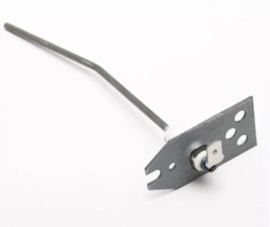
If you are also replacing damaged air-direction parts during the install, match the part to your unit: room air conditioner louver 52CQ500434.
Last updated: January 2026
What is a combo heater and AC unit called?
A combo heater and AC unit is commonly called a packaged HVAC unit (also called a package unit). For Carrier model 52CEA309301AA, that means the heating and cooling components are housed together in one outdoor cabinet, rather than split between indoor and outdoor sections.
Common names you will hear
- Packaged HVAC unit (package unit)
- Packaged heat pump (if it heats primarily with a heat pump)
- Packaged gas-electric unit (if it heats with gas and cools with electric AC)
- All-in-one HVAC unit
- Rooftop unit (RTU) (when installed on a roof, common in light commercial)
Quick comparison: packaged vs split system
| Feature | Packaged unit (like 52CEA309301AA) | Split system |
|---|---|---|
| Main components | In one outdoor cabinet | Indoor air handler plus outdoor condenser |
| Typical install location | Ground pad or rooftop | Indoor closet/attic plus outdoor pad |
| Service access | Mostly outside | Inside and outside |
Why it matters when ordering parts
The name tells you how the system is built, which affects what parts you’ll need and where they fit.
- Airflow and comfort parts (louvers, panels, grilles) are model-specific
- Electrical troubleshooting often involves contactors, capacitors, fuses, and wiring
- Heating type changes the parts list (heat pump vs gas heat)
If you’re replacing an airflow-direction part on this Carrier package unit, match the part by model and description, such as the room air conditioner louver 52CQ500434.
Helpful DIY checks (before you buy anything)
- Confirm the exact model number on the data plate: 52CEA309301AA
- Note whether heating is heat pump or gas heat (changes the correct parts)
- Inspect for obvious airflow restrictions (dirty filter, blocked return, crushed duct)
- If diagnosing an electrical issue, use safe test methods and the right tools
Last updated: January 2026
What is the lifespan of a carrier heat pump?
A Carrier heat pump typically lasts 10 to 15 years; with consistent maintenance and correct installation, many systems reach around 20 years. For your Carrier package unit model 52CEA309301AA, lifespan depends most on airflow, refrigerant health, and how hard it runs in your climate.
Typical lifespan ranges
Most residential heat pumps fall into these real-world ranges:
- 10 to 15 years: common lifespan for average use and basic maintenance
- 15 to 20 years: achievable with strong maintenance and good installation
- Under 10 years: often tied to poor airflow, low refrigerant, electrical issues, or corrosion
| What you do | What it helps prevent | What it protects |
|---|---|---|
| Change/clean filters on schedule | Coil icing, high pressure faults | Compressor, blower motor |
| Keep outdoor coil clean and clear | Overheating, poor heat transfer | Compressor, fan motor |
| Annual professional tune-up | Small issues becoming major failures | Refrigerant circuit, controls |
| Maintain proper airflow (ducts, returns) | Short cycling, frozen coil | Heat exchanger/coil, compressor |
Signs your heat pump is nearing end of life
Plan for repair or replacement when you see multiple symptoms together:
- Rising electric bills with no usage change
- Frequent service calls (especially refrigerant leaks or compressor issues)
- Short cycling (starts and stops often)
- Weak heating or cooling even with clean filters
- Unusual noises (grinding, loud buzzing, repeated hard starts)
Why it matters
Heat pumps lose efficiency as components wear and coils get dirty; that increases run time and stress on the compressor. Staying ahead of airflow and electrical problems usually adds years of reliable service.
Parts note for model 52CEA309301AA
If you are addressing airflow or discharge issues, inspect the louvers and air path for damage or blockage. The Room Air Conditioner Louver is a model-listed part: room air conditioner louver 52CQ500434.
Last updated: January 2026