Owner’s manual
 Error Codes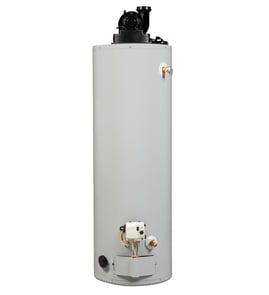



How do I read my water heater model number?
Your Kenmore gas water heater model number is printed on the rating plate (data label) on the tank. For model 153339572, use the rating plate to confirm the exact model and serial number before ordering parts or following troubleshooting steps in the owner's manual.
Where to find the model number on this water heater
In the Kenmore 153339572 manual, the rating plate is identified as a labeled component on the water heater.
- Look for the rating plate on the tank jacket (the manual labels it as “Rating Plate”).
- Use a flashlight; the label can be hard to read in low light.
- Write down the model number and serial number exactly as shown.
- Note the gas type listed (natural gas or LP/propane) because parts can differ.
- Keep the information with your home records for future maintenance.
How to read the number once you find it
Model numbers are read exactly as printed, including punctuation and spacing. For this unit, the model is typically shown in the Kenmore format with a period in printed materials.
| What to copy from the rating plate | Example for this unit | Why it matters |
|---|---|---|
| Model number | 153.339572 (often shown as 153339572 online) | Ensures the parts list matches your tank |
| Serial number | (varies by unit) | Helps identify manufacturing details |
| Gas type | Natural or LP | Prevents ordering the wrong burner or pilot parts |
Why it matters
Using the exact model number from the rating plate helps us match the correct parts and diagrams for your Kenmore 153339572. That is especially important for ignition and gas-control components where small differences affect fit and safe operation.
Parts you may match using the model number
Once you confirm the model number, common service parts for this model include:
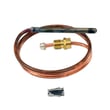
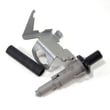
- Thermocouple 100108267
- Water heater pilot assembly 100111380
- Water heater temperature and pressure relief valve 100108279
Last updated: February 2026
How old is my water heater by the serial number?
To estimate the age of your Kenmore gas water heater model 153339572, find the serial number on the rating plate and decode it using the date-code format shown in the owner's manual. The serial number format varies by manufacturer, so the manual is the most reliable way to match your exact code.
Where to find the serial number
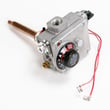
On most Kenmore gas water heaters, the rating plate is on the outside of the tank (often near the gas control valve/thermostat area). Look for a label that lists:
- Model number (should read 153339572)
- Serial number
- Gas type (natural or propane)
- Other specifications
How serial number dating usually works
Many water heater serial numbers embed the manufacture date in the first few characters. Common patterns include:
- YYWW: year and week (example: 2315 = 2023, week 15)
- YYMM: year and month (example: 2307 = July 2023)
- Letter + numbers: a letter for month plus numbers for year (varies by maker)
Because Kenmore water heaters have been built by different manufacturers over the years, the exact pattern depends on who made your unit. The owner's manual is the best place to confirm the correct decoding method for your model.
Quick age estimate once you have the manufacture date
Use this simple guide after you decode the date:
| If the manufacture date is... | What it typically means |
|---|---|
| 0 to 6 years old | Usually mid-life; focus on maintenance (flushing, venting, pilot reliability) |
| 7 to 12 years old | Plan for more repairs; check anode rod condition and burner/pilot parts |
| 12+ years old | Replacement planning is common, especially if performance is declining |
Why it matters
Knowing the age helps us choose the right repair approach. For older units, issues like pilot outages or inconsistent heating often point to serviceable components such as the thermocouple 100108267 or the water heater pilot assembly 100111380, while tank corrosion risk increases as the unit ages.
Last updated: February 2026
What is the life expectancy of a Kenmore water heater?
A Kenmore gas water heater like model 153339572 typically lasts 8 to 12 years. Regular maintenance (especially flushing sediment and checking corrosion protection) helps you reach the high end of that range and avoid early tank failure.
Typical lifespan and what affects it
Most tank-style gas water heaters fall into a predictable lifespan range, but these factors make the biggest difference:
- Water quality and sediment: Hard water speeds sediment buildup and overheating at the bottom of the tank.
- Anode rod condition: A worn anode rod lets the tank corrode faster.
- Temperature setting: Higher settings increase stress on the tank and components.
- Maintenance frequency: Periodic draining and inspection reduces corrosion and scale.
- Venting and combustion air: Poor draft or restricted air intake can cause performance problems.
Maintenance that extends service life
Use your owner's manual for the model-specific maintenance schedule and safety steps. In general, these actions help most Kenmore gas water heaters:
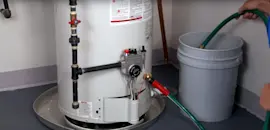
- Flush a few gallons from the drain valve periodically to reduce sediment
- Inspect and replace the anode rod when it is heavily depleted
- Test the temperature and pressure relief valve for proper operation
- Keep the burner area and air intake openings clear of dust and lint
- Watch for early warning signs like rusty hot water, popping sounds, or small leaks
Common maintenance parts for this model
| Maintenance item | What it helps prevent | Example part on this model page |
|---|---|---|
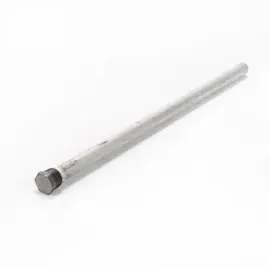
| Anode rod | Tank corrosion and early leaks | Water heater anode rod 100108660 |
| T and P relief valve | Overpressure issues and nuisance leaking | Water heater temperature and pressure relief valve 100108279 |
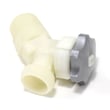
| Drain valve | Difficulty flushing sediment, slow draining | Water heater drain valve 100108778 |
Why it matters
Once a tank begins leaking, replacement is the practical fix. Keeping up with corrosion protection (anode rod) and sediment control (draining/flushing) is the most reliable way to get full life from a Kenmore water heater.
Last updated: February 2026
What is the most common problem with a gas water heater?
The most common problem we see on a Kenmore gas water heater like model 153339572 is the pilot light not staying lit, which often points to a weak or failed thermocouple or a pilot/combustion-air issue. The troubleshooting steps and safety shutoff details are in the owner's manual.
Most common causes (and what to check first)
- Thermocouple not sensing flame: if it is worn, mispositioned, or damaged, gas shuts off and the pilot goes out.
- Dirty flame arrestor or base-ring filter: dust and lint buildup can restrict combustion air and cause shutdowns.
- Insufficient combustion air: tight closets, blocked openings, or negative pressure from exhaust fans can cause a lazy flame and overheating.
- Pilot assembly issues: clogged pilot line, dirty pilot, or a failing igniter can prevent stable ignition.
- Venting problems: blocked or poor venting can lead to poor combustion and safety shutdowns.
Parts that commonly solve “pilot won’t stay lit”
If your symptoms match, these are the most common replacement parts for this model:
| Symptom | Likely part to inspect/replace | Notes |
|---|---|---|
| Pilot lights but won’t stay lit | Thermocouple 100108267 | The thermocouple proves the pilot flame and allows gas flow. |
| Pilot is weak or unstable | Water heater pilot assembly 100111380 | Includes pilot components that can clog or wear. |
| No spark or unreliable lighting | Water heater pilot igniter 100110936 | Ignition problems can look like pilot failure. |
Why it matters
When the pilot drops out, the heater cannot fire the main burner, so you get no hot water or inconsistent hot water. On this model, safety devices can also shut the unit down if combustion air is restricted or overheating is detected, so cleaning and ventilation checks are just as important as replacing ignition parts.
Quick safety and maintenance reminders
- If the area is dusty or linty, clean the base-ring filter periodically (per the manual).
- Make sure the heater has adequate make-up air if installed in a closet or small room.
- If you suspect venting or combustion-air problems, correct those before repeated relighting attempts.
Last updated: February 2026