 Owner’s manual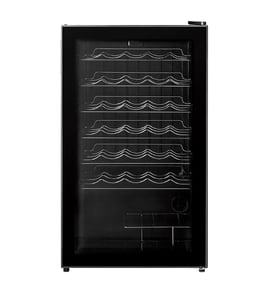



What is the difference between a wine cooler and a beverage cooler?
A wine cooler is designed to hold a steady, moderate temperature for wine storage, while a beverage cooler is typically used to chill a wider mix of drinks colder and faster. For Kenmore model 25599269, the manual lists a wine-storage range of about 41°F to 64°F. See the 25599269 owner's manual for operating details and temperature control guidance.
Key differences that affect performance
- Temperature range: Wine coolers commonly run warmer (wine-friendly); beverage coolers often run colder for soda and beer.
- Humidity and storage style: Wine storage often benefits from stable conditions and bottle-friendly shelving; beverage storage prioritizes flexible shelf height.
- Vibration and stability: Wine coolers are commonly used where steady operation matters more than rapid pull-down.
- What you store: This Kenmore unit is intended for wine; the manual warns never store food because temperatures are warmer than a refrigerator.
Quick comparison
| Feature | Wine cooler (like Kenmore 25599269) | Beverage cooler (typical) |
|---|---|---|
| Typical setpoint goal | Wine-serving and storage temps | Colder “grab-and-go” temps |
| Storage layout | Bottle-friendly shelves/racks | Adjustable shelves for cans/bottles |
| Best use | Wine storage and serving | Mixed beverages, frequent door openings |
Why it matters
Using the right cooler helps protect flavor and quality. Wine is more sensitive to temperature swings, while beverages like soda and beer are usually fine at colder temperatures and with more frequent door openings.
Tips for getting the best results on model 25599269
- Adjust the temperature gradually and allow a few hours to stabilize after each change.
- If the unit was tilted or laid down, wait about 1 hour before plugging it in.
- If unplugged, wait 3 to 5 minutes before restarting.
- Keep it in a room above 55°F; it is not designed for colder locations like an unheated garage.
Last updated: January 2026
What brand is the best wine cooler?
The “best” wine cooler brand depends on how you’ll use it (everyday chilling vs. long-term aging), your budget, and where you’ll place it. If you already own the Kenmore 25599269 wine cooler, the best choice is keeping it running correctly by using the right temperature range and setup steps in the 25599269 owner's manual.
How to choose the best brand for your needs
Different brands tend to excel in different areas. Use this quick checklist to match a brand to your priorities:
- Long-term aging and stability: prioritize tight temperature control and low vibration
- Everyday wine and beverage storage: prioritize capacity, shelving, and easy controls
- Small spaces: prioritize compact size and front ventilation (if built-in)
- Quiet operation: prioritize compressor design and vibration isolation
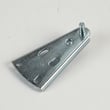
- Serviceability: prioritize parts availability (shelves, hinges, controls)
What matters most (features that actually affect performance)
For wine storage, these factors usually matter more than the logo on the door:
- Temperature range and consistency (avoid big swings)
- Placement conditions (heat sources and sunlight reduce performance)
- Door seal quality (warm air leaks cause cycling and uneven temps)
- Shelving fit and airflow (overcrowding can create warm spots)
- Controls you will actually use (simple dial vs. electronic)
Quick comparison: premium vs. value-focused brands
| Category | Typical strengths | Best for |
|---|---|---|
| Premium wine-focused brands | Very stable temps, low vibration, better humidity management | Collectors and aging wine for years |
| Midrange/value brands | Good everyday cooling, simpler controls, lower cost | Casual storage and entertaining |
| Compact/space-saving brands | Smaller footprint, lighter capacity | Apartments, offices, overflow storage |
Kenmore 25599269 tips that help it perform like a “better brand”
Even a solid cooler can struggle if it’s installed or adjusted poorly. For the Kenmore 25599269:
- Do not install it where ambient temps drop below 55°F (for example, many garages)
- Run it empty first until it reaches temperature (typically a few hours) before loading bottles
- Adjust the temperature gradually and allow a few hours to stabilize after each change
- Use the intended wine range; this model’s dial range is approximately 41°F to 64°F
- Keep the door sealing well by cleaning gaskets regularly
Why it matters
A “top brand” wine cooler still performs poorly if it’s in direct sunlight, near a heat source, or constantly opened. Good placement, stable temperature settings, and a solid door seal protect flavor and prevent premature aging.
Last updated: January 2026
What is a standard size wine cooler?
A “standard size” wine cooler depends on whether it’s a compact countertop unit or a full-height built-in style. For the Kenmore 25599269 wine cooler, plan your space using the clearance requirements in the 25599269 owner's manual and allow extra room for airflow and door swing.
Common wine cooler size categories
Most wine coolers fall into these practical size groups:
- Compact: typically 12 to 18 inches wide; good for small bottle counts
- Mid-size: typically 18 to 24 inches wide; common for freestanding units
- Full-height / built-in: typically about 24 inches wide and roughly 70 to 72 inches tall; often higher capacity
- Under-counter beverage centers: typically about 24 inches wide and counter-height
Installation clearances (important for “real-world size”)
Even if the cabinet opening fits, the cooler still needs breathing room. The Kenmore 25599269 manual recommends these minimum clearances:
- Sides: 3/4 inch (19 mm)
- Top: 2 inches (50 mm)
- Back: 2 inches (50 mm)
Quick planning table
| What you measure | What to include | Why |
|---|---|---|
| Cabinet opening | Cooler width plus side clearance | Prevents overheating and poor cooling |
| Height space | Cooler height plus top clearance | Helps ventilation and service access |
| Depth space | Cooler depth plus rear clearance | Protects airflow and power cord routing |
Why it matters
Wine coolers are sensitive to heat buildup. If the unit is squeezed into a tight space, you can see warmer temperatures, longer compressor run times, and inconsistent wine storage conditions.
Helpful tips before you buy or install
- Measure width, height, and depth at the installation spot (including baseboards and trim).
- Plan for door swing and shelf clearance so bottles slide in and out easily.
- Keep the unit away from direct sunlight and heat sources.
- Avoid locations below 55°F ambient temperature (common issue in garages).
- If you need to adjust temperature, do it gradually and allow a few hours to stabilize.
Last updated: January 2026
Why is my wine chiller fridge not cooling?
If your Kenmore wine chiller model 25599269 is not cooling, the most common causes are the temperature control being set to OFF, poor airflow/clearance, or warm air leaking in through the door. Start with the temperature control and door seal checks in the 25599269 owner's manual.
Quick checks that fix most “not cooling” complaints
- Confirm the temperature control knob is not set to OFF (OFF stops the cooling cycle but the unit still has power).
- Turn the knob slightly toward COLDEST, then wait a few hours for the temperature to stabilize.
- Make sure the door closes fully and is not being held open by a shelf or bottles.
- Check the door gasket for gaps, dirt, or damage that can leak warm air.
- Reduce door openings; frequent openings can keep the cabinet warm.
- Verify the cooler has proper clearance for airflow around it.
Step-by-step troubleshooting (in the right order)
- Power and restart: If it was unplugged, wait 3 to 5 minutes before restarting.
- Temperature setting: Adjust gradually; small knob changes need time to take effect.
- Room conditions: If the surrounding temperature is low (around below 55°F), excessive frost can form and cooling performance can suffer.
- Door sealing: Clean the gasket and confirm the unit is level so the glass door aligns and seals.
What “normal” looks like for this model
The manual lists a typical control range of about 64°F down to 41°F, which is appropriate for wine storage (warmer than a kitchen refrigerator).
| Symptom | Likely cause | What to do |
|---|---|---|
| Runs but not cold enough | Door opened often, gasket leak, clearance issue | Improve sealing, reduce openings, ensure airflow |
| Frost on rear wall | Low room temp or heavy humidity | Unplug and let frost melt, then restart |
| Condensation on glass | Humid weather or door not sealing | Level unit, clean gasket, keep door closed |
Parts that may be involved
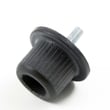
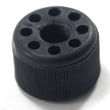
If the temperature control knob is cracked, missing, or slipping on the control shaft, replacing it can restore proper adjustment. Use the model-correct knob 501107260027.
Why it matters
A wine chiller that cannot hold temperature can spoil wine and also run longer than normal, which increases wear on the compressor and can lead to frost or condensation issues.
Last updated: January 2026